For years, the Maldives has been the destination most travellers associate with overwater villas, private decks, turquoise lagoons, and waking up to the ocean just outside the bedroom. But a similar style of luxury escape is gaining attention along the East African coastline. Tanzania, already famous for its wildlife safaris and the beaches of Zanzibar, is attracting a new wave of interest in exclusive island stays and ocean-facing accommodation. The combination of traditional Swahili culture, warm Indian Ocean waters, and secluded coastal landscapes is creating a different kind of tropical luxury.
What makes Tanzania particularly interesting is that visitors can combine two very different experiences in one holiday. A few days spent watching elephants and giraffes across the Serengeti can be followed by peaceful mornings beside the Indian Ocean. For travellers who want more than a conventional beach resort, this combination is difficult to resist.
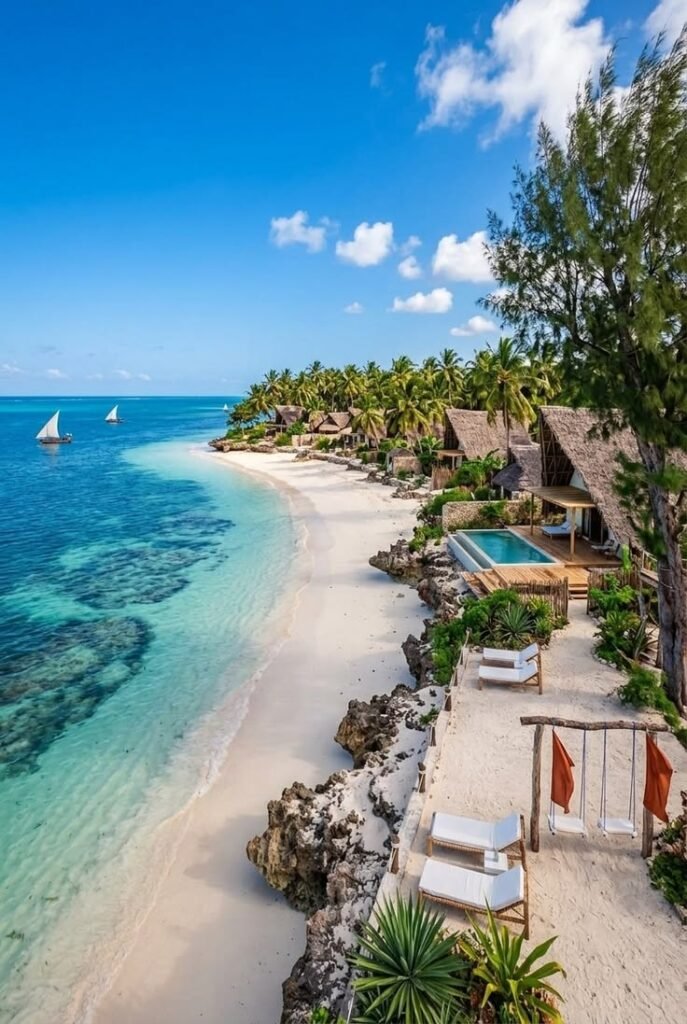
Tanzania’s Indian Ocean Coast Is Getting a Luxury Makeover
Tanzania has always had a remarkable coastline, stretching along the Indian Ocean and including some of East Africa’s most beautiful islands. Zanzibar is the best-known destination, attracting visitors with its white-sand beaches, coral reefs, historic Stone Town, and relaxed island atmosphere.
However, the wider coastline has much more to offer. Pemba Island, Mafia Island, and the quieter coastal areas surrounding Zanzibar provide opportunities for travellers seeking privacy and a closer connection with nature.
Luxury hospitality in the region is increasingly focused on private accommodation, ocean views, personalised experiences, and distinctive architectural designs. Although traditional overwater villas are not yet as widespread as they are in the Maldives, Tanzania’s island resorts are developing their own interpretation of this style of holiday.
Zanzibar: Where Tropical Luxury Meets Swahili Culture
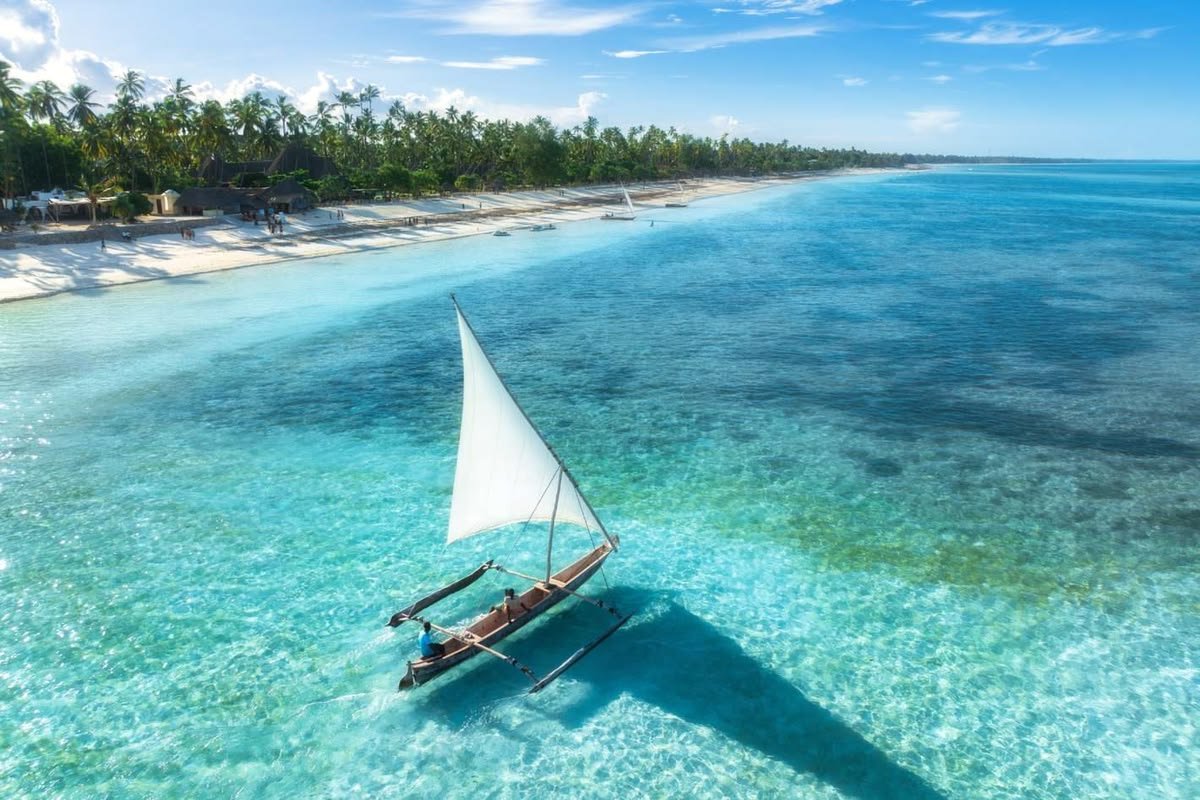
Zanzibar remains the natural starting point for anyone exploring Tanzania’s luxury beach scene. Its coastline features beautiful stretches of white sand, clear water, and palm-lined beaches that look particularly impressive during sunrise and sunset.
The island’s appeal goes beyond its scenery. Stone Town, a UNESCO World Heritage Site, offers a fascinating introduction to Zanzibar’s history, shaped by African, Arab, Indian, and European influences. Its narrow streets, carved wooden doors, historic buildings, and traditional markets provide a cultural experience that feels very different from a typical beach holiday.
Along the coastline, visitors can find private villas, boutique resorts, and beautifully designed ocean-facing suites. Some properties offer direct beach access, outdoor bathing areas, private plunge pools, and terraces overlooking the water. These features bring the privacy and comfort associated with Maldivian accommodation while retaining Zanzibar’s distinctive character.
Pemba and Mafia: The Islands Worth Discovering
For travellers looking beyond Zanzibar, Pemba Island offers a quieter and more secluded experience. Located north of Zanzibar, it is known for its green hills, traditional fishing communities, and spectacular underwater scenery.
Its coral reefs attract diving enthusiasts from around the world, while the surrounding waters provide opportunities for snorkelling and exploring marine life. The island’s relatively peaceful atmosphere makes it particularly appealing to travellers who prefer smaller properties and less crowded beaches.
Mafia Island, located further south, offers another memorable escape. Part of the Mafia Island Marine Park, the surrounding waters support coral reefs, colourful fish, sea turtles, and seasonal whale shark encounters. Between October and March, visitors may have opportunities to swim with whale sharks through responsible local operators, depending on conditions and wildlife activity.
Rather than focusing entirely on elaborate accommodation, these islands offer something equally valuable: a chance to experience the Indian Ocean in a more natural and intimate setting.
What Makes Overwater Luxury So Appealing?
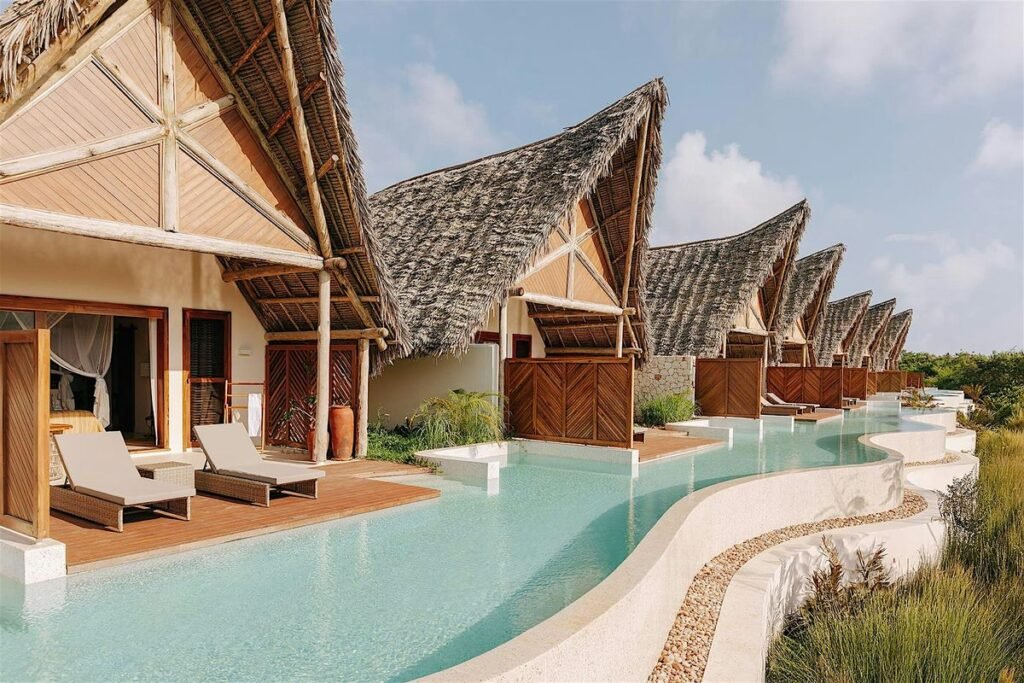
The popularity of overwater accommodation comes down to the experience it creates. Instead of simply looking at the ocean from a hotel balcony, guests feel surrounded by it. Private decks, direct access to the water, floor-to-ceiling windows, and uninterrupted sea views turn the accommodation itself into a major part of the holiday.
Tanzania’s coastal resorts are exploring similar ideas through elevated villas, beachfront suites, private pools, and secluded island accommodation. The architectural influence is often different from the Maldives, incorporating natural wood, local materials, and elements of Swahili design.
This creates an interesting blend of contemporary luxury and East African coastal heritage.
When Is the Best Time to Visit Tanzania’s Islands?
The dry seasons, particularly June to October and December to February, are generally popular for exploring Tanzania’s coastline. These months offer favourable conditions for beach holidays, diving, and island excursions.
Travellers planning to combine a safari with a beach escape should consider their wildlife interests when choosing dates. Accommodation and domestic connections should also be arranged in advance, particularly when visiting smaller islands.
A New Chapter in East African Luxury Travel
Tanzania’s appeal lies in its ability to offer something that few destinations can match: extraordinary wildlife experiences alongside beautiful tropical coastlines. While the Maldives remains the benchmark for traditional overwater luxury, Tanzania is developing a different identity built around culture, nature, exclusivity, and adventure.
For travellers dreaming of turquoise waters, secluded island accommodation, and unforgettable ocean views, Tanzania deserves a place on the luxury travel radar. Its greatest attraction may not be recreating the Maldives, but offering something more distinctive: an Indian Ocean escape with the unmistakable character of East Africa.