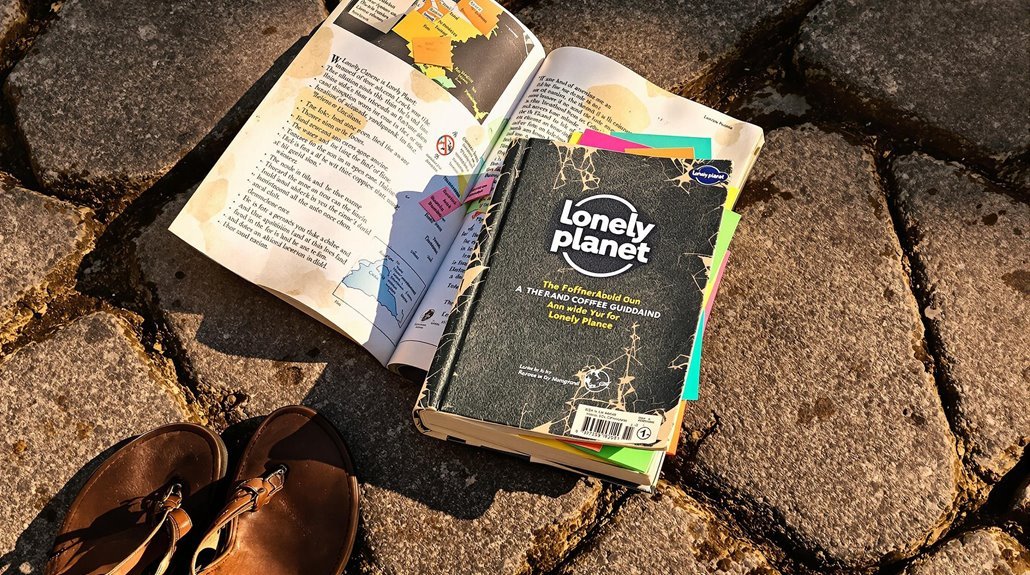

Travel today is no longer just about ticking destinations off a list or snapping photos of famous landmarks. Modern travelers are seeking experiences that feel personal, immersive, and memorable. As the world opens up to new possibilities, a fresh approach to travel is emerging—one that values connection, culture, and curiosity over hurried itineraries. This new way of exploring invites travelers to go beyond the guidebook and discover places in a more meaningful way.
One of the biggest shifts in travel is the rise of slow tourism. Instead of rushing through multiple cities in a single trip, travelers are choosing to stay longer in one destination. This allows them to experience daily life, understand local customs, and form genuine connections with the people who live there. Whether it’s spending a week in a small Italian village or a month exploring coastal towns in Portugal, slow travel creates deeper memories and a stronger sense of place.

Cultural immersion is another key element shaping modern travel. Travelers are increasingly interested in learning traditional crafts, participating in local festivals, and tasting authentic regional cuisine. Cooking classes, language exchanges, and community-led tours offer insights that no guidebook can fully capture. These experiences not only enrich the traveler’s journey but also support local economies and help preserve cultural heritage.
Nature-focused travel is also gaining momentum as people look for balance and well-being. From mountain retreats and forest stays to beachside escapes and desert adventures, nature offers a powerful reset from busy urban life. Eco-lodges, national parks, and conservation-based tours allow travelers to explore the natural world responsibly. Activities such as hiking, wildlife spotting, and stargazing encourage mindfulness and a deeper appreciation for the environment.
Sustainability has become a central consideration for many travelers. Conscious choices—such as selecting eco-friendly accommodations, reducing plastic use, and supporting local businesses—are shaping travel decisions. Travelers are also becoming more aware of their carbon footprint, opting for train journeys, direct flights, or longer stays that reduce frequent travel. This thoughtful approach ensures that destinations remain vibrant and protected for future generations.
Technology continues to influence how people travel, but in more supportive and personalized ways. Travel apps help with navigation, language translation, and itinerary planning, while digital platforms connect travelers with local hosts and experiences. At the same time, many travelers are intentionally disconnecting during their trips, using technology as a tool rather than a constant distraction. This balance allows for convenience without losing the magic of being present.
Solo travel is another trend redefining the travel landscape. More people are choosing to explore the world on their own, seeking freedom, self-discovery, and confidence. Destinations that offer safety, strong public transport, and welcoming communities are particularly appealing. Solo travelers often find that traveling alone opens doors to new friendships and unexpected adventures.

Wellness travel has also moved into the spotlight. Trips centered around yoga retreats, spa experiences, and holistic healing are becoming popular among travelers looking to recharge both physically and mentally. These journeys emphasize rest, reflection, and personal growth, turning travel into a form of self-care rather than escape.
Ultimately, modern travel is about intention. It’s about choosing experiences that resonate, destinations that inspire, and journeys that leave a positive impact. By traveling with curiosity, respect, and openness, today’s travelers are redefining what it means to explore the world—creating stories that last long after the journey ends.