Tucked quietly within the Dutch province of Overijssel, Dwarsgracht feels like a place that time decided to leave untouched. While nearby Giethoorn draws crowds with its postcard canals, Dwarsgracht remains calm, authentic, and deeply connected to nature. A scenic walk through this tranquil water village offers an experience that is both grounding and unforgettable — the kind of slow travel moment that reminds you how beautiful simplicity can be.
The village is part of the Weerribben-Wieden National Park, one of the largest wetlands in northwestern Europe. From the very first step onto its narrow paths and wooden bridges, you’ll notice the quiet. There are no bustling crowds or loud city sounds — just the gentle lapping of water against boats, birdsong echoing across reed beds, and the soft crunch of gravel beneath your shoes. Walking here feels almost meditative, inviting you to slow your pace and pay attention to the little details around you.
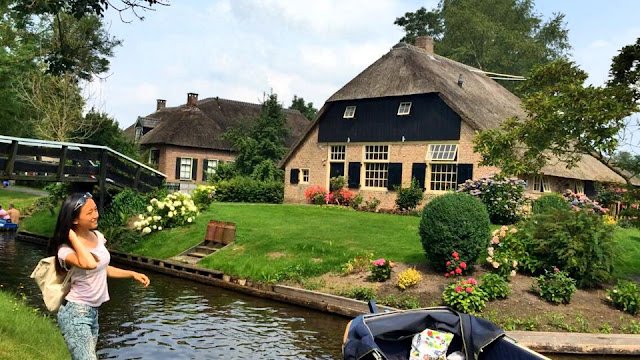
Dwarsgracht’s charm lies in its canals and waterways that weave naturally through the landscape. Many homes sit directly on the water’s edge, with small boats tied neatly outside instead of cars parked along streets. Traditional Dutch cottages, some topped with thatched roofs, reflect in the still canals, creating picture-perfect scenes at every turn. Flower gardens spill over wooden fences in spring and summer, adding bursts of color to the earthy tones of the village. It’s easy to lose track of time while strolling here, stopping frequently to admire the views or simply watch the reflections ripple gently.
One of the most enjoyable aspects of a scenic walk in Dwarsgracht is the connection to nature. The surrounding wetlands are home to diverse wildlife, from herons and kingfishers to grazing cattle in distant meadows. Wooden boardwalks lead you across marshy areas and narrow channels, making it possible to explore landscapes that feel almost untouched. Even during peak travel seasons, the village rarely feels crowded, allowing visitors to truly absorb the peaceful atmosphere. Early morning or late afternoon walks are especially magical, when the golden light softens the landscape and the canals mirror the sky like glass.
As you continue exploring, you’ll notice small details that reveal the village’s history. Dwarsgracht developed through peat cutting and water management centuries ago, and its layout still reflects that relationship with the land. Old farmhouses and small barns tell stories of agricultural life shaped by water. Many locals still rely on boats for daily activities, reinforcing the idea that this is not just a scenic destination but a living community where tradition continues naturally.
While the walk itself is the main attraction, there are cozy spots along the way where you can pause. A small café or waterside terrace offers the perfect excuse to enjoy Dutch apple pie or a warm drink while watching boats glide past. Unlike larger tourist towns, the pace here is relaxed, and interactions with locals often feel genuine and welcoming. You might find yourself chatting with someone about the weather, the canals, or the wildlife — simple conversations that add warmth to your visit.

Photography lovers will find endless inspiration in Dwarsgracht’s subtle beauty. Instead of dramatic landmarks, the village offers gentle scenes that capture the essence of Dutch rural life — wooden bridges framed by reeds, reflections of clouds drifting across the water, and bicycles leaning casually against cottages. Each season transforms the landscape in its own way, from lush green summers to misty autumn mornings and quiet winter scenes where frost outlines every detail.
By the end of your walk, you’ll likely feel a sense of calm that’s hard to find in more famous destinations. Dwarsgracht doesn’t try to impress with grand attractions; instead, it invites visitors to appreciate the beauty of stillness and connection to nature. It’s a reminder that sometimes the most memorable travel experiences come from places that remain quietly themselves. A scenic walk through this hidden water village is not just a journey through a beautiful landscape — it’s an invitation to slow down, breathe deeply, and rediscover the joy of peaceful exploration.