

Travel has always been a reflection of human curiosity — a desire to explore unfamiliar landscapes, cultures, and experiences. For decades, travel was largely defined by the concept of the “bucket list”: a collection of iconic destinations people hoped to visit at least once in their lifetime. Places like Machu Picchu, Great Wall of China, and the Eiffel Tower became symbols of global exploration. Travelers moved from one famous landmark to another, capturing photographs and memories along the way.
But in recent years, the meaning of travel has begun to change. While iconic destinations still hold their charm, many travelers are shifting their focus from simply collecting places to seeking deeper experiences. This shift marks the evolution of modern travel — from checklist-driven adventures to journeys that prioritize connection, understanding, and personal growth.
One major factor driving this change is the growing desire for authentic experiences. Today’s travelers are increasingly interested in understanding the stories behind the destinations they visit. Instead of rushing through major attractions, they seek meaningful interactions with local cultures, traditions, and communities. Whether it’s learning traditional cooking techniques in Tuscany, exploring ancient temples in Kyoto, or sharing meals with local families in rural villages, travelers now value experiences that create emotional connections.
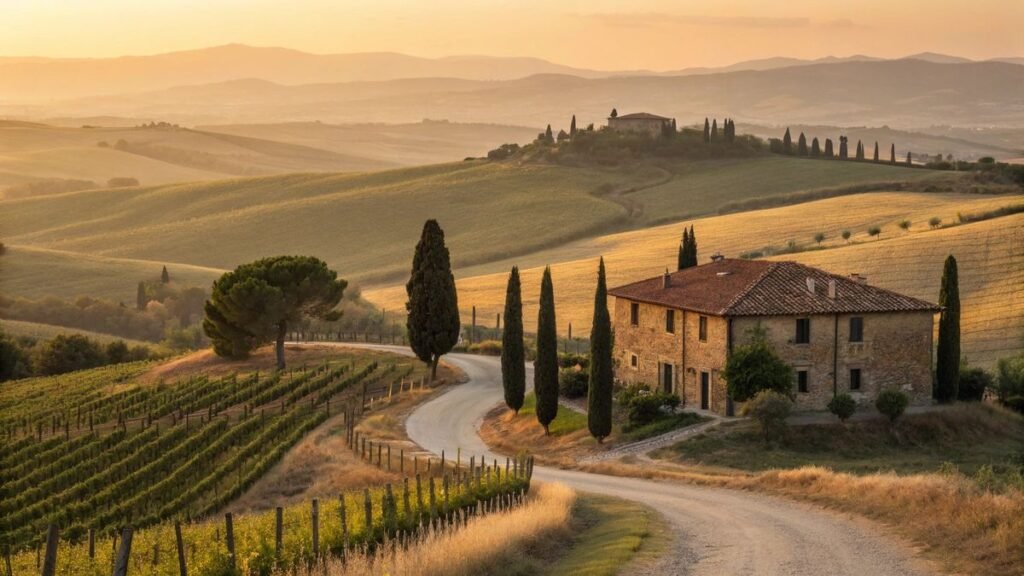
Another defining element of modern travel is the rise of slow travel. In contrast to packed itineraries that attempt to cover multiple destinations in a short period, slow travel encourages visitors to spend more time in fewer places. By staying longer in a destination, travelers gain a deeper appreciation of local life — discovering hidden streets, neighborhood cafés, and everyday moments that guidebooks rarely capture.
Technology has also played a significant role in shaping how people travel today. Digital platforms, social media, and travel blogs have made it easier than ever to discover lesser-known destinations. Instead of following traditional tourist routes, travelers can now explore unique locations recommended by fellow explorers around the world. This accessibility has contributed to a growing interest in hidden gems and off-the-beaten-path experiences.
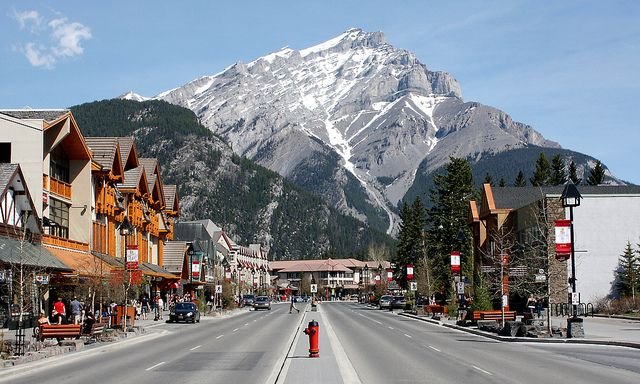
At the same time, there is increasing awareness around sustainable and responsible travel. Many travelers are becoming more conscious of their impact on the environment and local communities. Visiting protected landscapes such as Yellowstone National Park or Banff National Park reminds visitors of the importance of preserving natural ecosystems. As a result, eco-friendly accommodations, community-based tourism, and conservation-focused travel experiences are becoming more popular.
Ultimately, the evolution of modern travel reflects a deeper transformation in how people view exploration itself. Travel is no longer just about reaching a destination — it is about the journey, the stories, and the perspectives gained along the way.
From ticking landmarks off a bucket list to embarking on soulful journeys that foster connection and understanding, modern travel invites us to explore the world more thoughtfully. In doing so, it not only expands our horizons but also reminds us that the most meaningful journeys are the ones that transform the traveler as much as the destination.