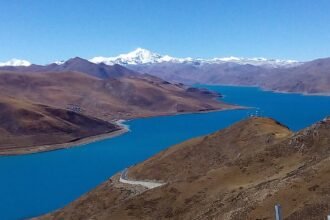

In an age of luxury resorts, digital maps, and curated travel experiences, the idea of stepping into a truly wild landscape continues to hold a powerful allure. Remote wilderness areas—whether dense rainforests, rugged mountains, vast deserts, or untouched coastlines—offer something increasingly rare: a chance to disconnect from routine and reconnect with nature. For many travelers, exploring these untamed lands is not just an adventure but a deeply personal journey that challenges perceptions, builds resilience, and sparks a renewed sense of wonder.
One of the biggest draws of wild landscapes is their raw beauty. Unlike crowded tourist destinations, remote regions often remain untouched by large-scale development. Towering cliffs, roaring rivers, ancient forests, and endless horizons create scenery that feels both humbling and inspiring. Standing in such places reminds people of the vastness of the natural world and how small yet connected we are within it. The absence of modern distractions allows travelers to experience moments of silence and reflection that are difficult to find in urban environments.

Adventure is another key factor that attracts explorers to wild lands. Activities such as hiking through remote trails, camping under star-filled skies, kayaking along isolated rivers, or tracking wildlife provide a sense of excitement and accomplishment. Each challenge—from navigating rough terrain to adapting to changing weather—encourages travelers to push beyond their comfort zones. These experiences often become powerful memories, reminding people of their own strength and adaptability.
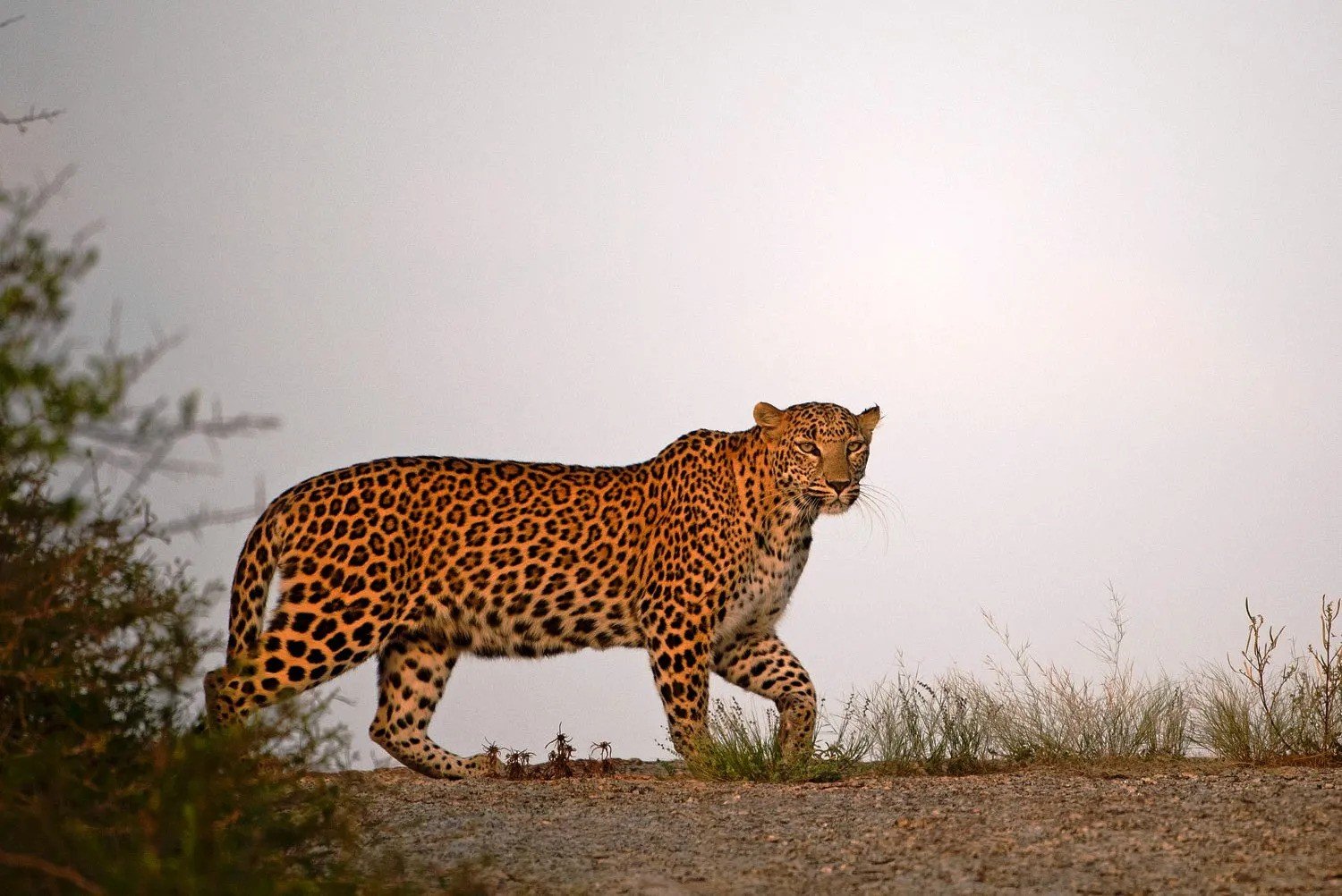
Wild landscapes are also home to incredible biodiversity. Remote ecosystems often support rare plants, unique animal species, and delicate habitats that thrive far from human influence. Exploring these areas offers an opportunity to observe wildlife in its natural environment and learn about ecosystems that play a crucial role in maintaining the planet’s balance. Responsible exploration, guided by conservation principles, ensures that travelers can appreciate these wonders without causing harm.
Another compelling aspect of wilderness exploration is the opportunity for cultural discovery. Many remote regions are inhabited by indigenous or local communities who maintain deep connections to their environment. Engaging respectfully with these communities provides valuable insights into traditional knowledge, sustainable living practices, and unique cultural perspectives. These encounters often enrich travel experiences, fostering a deeper understanding of how people coexist with nature in diverse ways.
Modern technology has made remote exploration more accessible than ever before. GPS navigation, satellite communication devices, and advanced outdoor gear help travelers plan safer journeys while minimizing risks. Online platforms and travel communities also allow explorers to share experiences, learn from others, and discover lesser-known destinations. However, the presence of technology does not diminish the need for preparation, awareness, and respect for natural environments.
Despite its appeal, exploring wild lands comes with responsibilities. Travelers must prioritize safety by researching conditions, carrying appropriate supplies, and respecting local regulations. Environmental awareness is equally important; practicing “leave no trace” principles ensures that fragile ecosystems remain undisturbed. By minimizing waste, staying on designated trails, and respecting wildlife, explorers contribute to the long-term preservation of these natural treasures.
The emotional and mental benefits of wilderness exploration are another reason many people feel drawn to untamed places. Time spent in nature has been shown to reduce stress, improve mood, and enhance overall well-being. The simplicity of outdoor living—cooking over a fire, watching sunsets, or waking up to the sounds of birds—can bring a sense of clarity and peace that modern life often lacks.
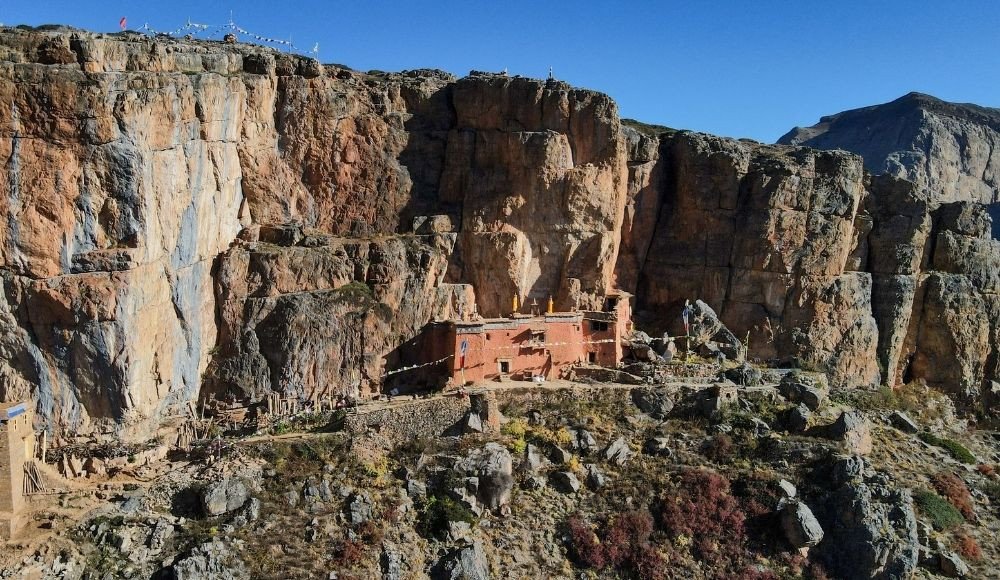
Ultimately, the question “Would you explore this wild land?” is as much about mindset as it is about destination. Some travelers seek adrenaline-fueled adventures, while others crave solitude and reflection. Regardless of motivation, stepping into the wilderness offers a unique chance to experience the world in its purest form.
As travel continues to evolve, the desire for authentic, meaningful experiences is stronger than ever. Exploring remote wilderness provides an opportunity to slow down, reconnect with nature, and rediscover the simple joys of exploration. Whether trekking through mountains, wandering across deserts, or venturing into lush forests, the call of the wild remains timeless—inviting modern travelers to embrace curiosity, courage, and the beauty of the untamed world.