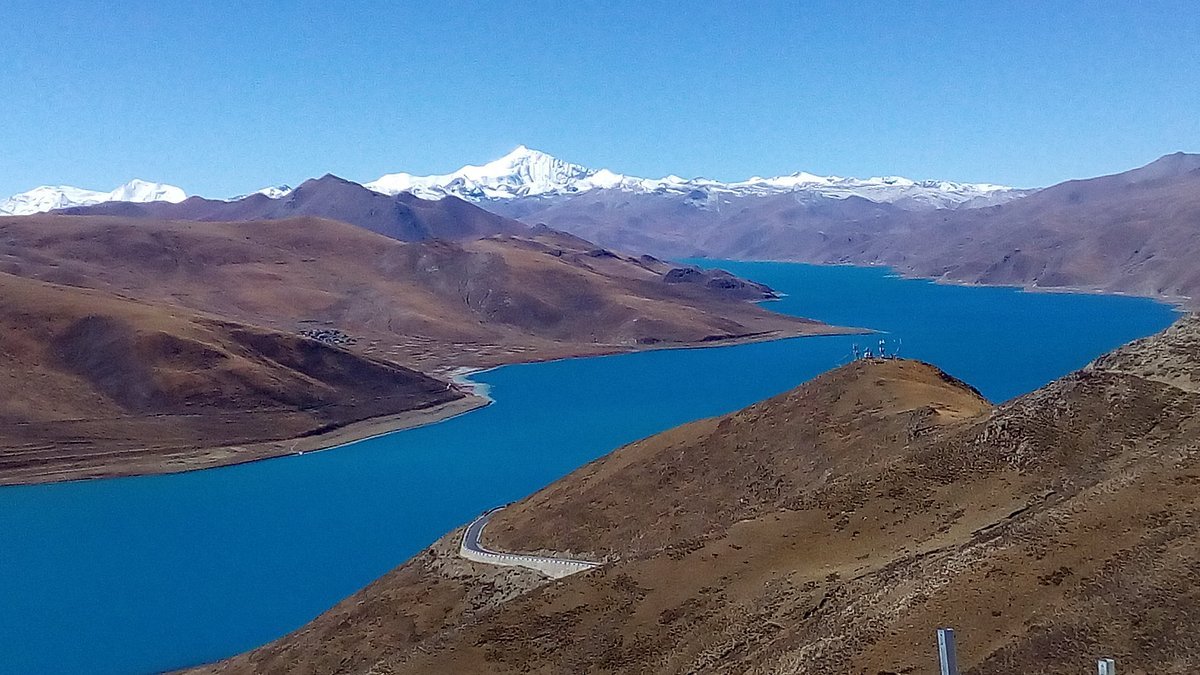

Rising from the vast Tibetan Plateau, Khamba Mountain feels less like a destination and more like an atmosphere—one shaped by thin air, endless horizons, and a quiet that seems to echo across centuries. This high-altitude landscape is not dramatic in the loud, postcard-perfect sense. Instead, it offers a subtler kind of awe, where scale, light, and stillness combine to create something deeply grounding.
Khamba Mountain is often associated with the greater Himalayan and Tibetan highland region, an area defined by sweeping grasslands, rugged ridgelines, and skies that feel impossibly close. Here, nature doesn’t rush to impress. It unfolds slowly, rewarding those willing to pause, breathe, and observe.
A Landscape Carved by Time and Wind
The terrain around Khamba Mountain is shaped by geological patience. Rolling alpine meadows stretch outward until they collide with rocky slopes and snow-dusted peaks. The land feels ancient, marked by wind patterns, glacial movement, and seasonal extremes. In some areas, the ground appears almost painted—layers of brown, gold, and muted green shifting with the angle of the sun.
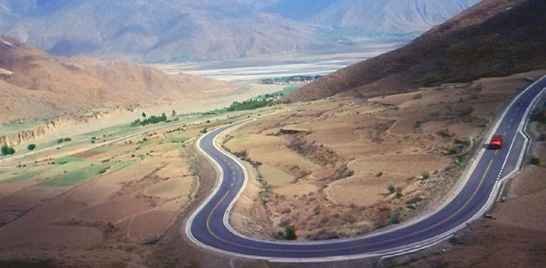
Unlike forested mountain ranges, Khamba’s beauty lies in its openness. With few tall trees to block the view, the landscape feels boundless. This openness gives the region a meditative quality, as if the land itself is inviting introspection.
Sky as a Constant Companion
One of the most striking features of the Khamba Mountain landscape is the sky. At high altitude, the atmosphere feels sharper and cleaner, making clouds appear closer and more sculptural. Mornings often begin with pale blue light and thin mist, while afternoons bring dramatic cloud formations drifting lazily across the peaks.
At sunset, the mountains glow with warm hues—soft pinks, oranges, and purples washing over the terrain. As night falls, the sky becomes a canvas of stars, unobstructed by city lights or pollution. It’s the kind of night sky that reminds you how small—and connected—you really are.
Life in a Harsh but Beautiful Environment
Despite its rugged conditions, the Khamba Mountain region supports a delicate ecosystem. Hardy grasses, alpine flowers, and low shrubs cling to the soil, adapting to cold temperatures and strong winds. Yaks and other grazing animals move slowly across the plains, their presence adding life and rhythm to the vast stillness.
Human life here has always been closely tied to the land. Nomadic traditions, seasonal movement, and a deep respect for nature shape daily existence. The landscape isn’t something to conquer—it’s something to live alongside, understand, and respect.
A Place That Changes with the Seasons
Khamba Mountain transforms dramatically throughout the year. In summer, the grasslands come alive with color, and the air feels surprisingly gentle despite the altitude. Wildflowers bloom briefly, adding flashes of purple, yellow, and white to the muted earth tones.
Autumn brings cooler temperatures and golden hues, while winter strips the landscape down to its essentials—snow, rock, and sky. Spring is quiet and transitional, marked by melting snow and the slow return of movement and sound.
Why Khamba Mountain Leaves a Lasting Impression
Khamba Mountain doesn’t overwhelm with landmarks or attractions. Its power lies in what it removes rather than what it adds. There is less noise, fewer distractions, and a rare sense of clarity. Time feels slower here, measured by shifting light rather than schedules.
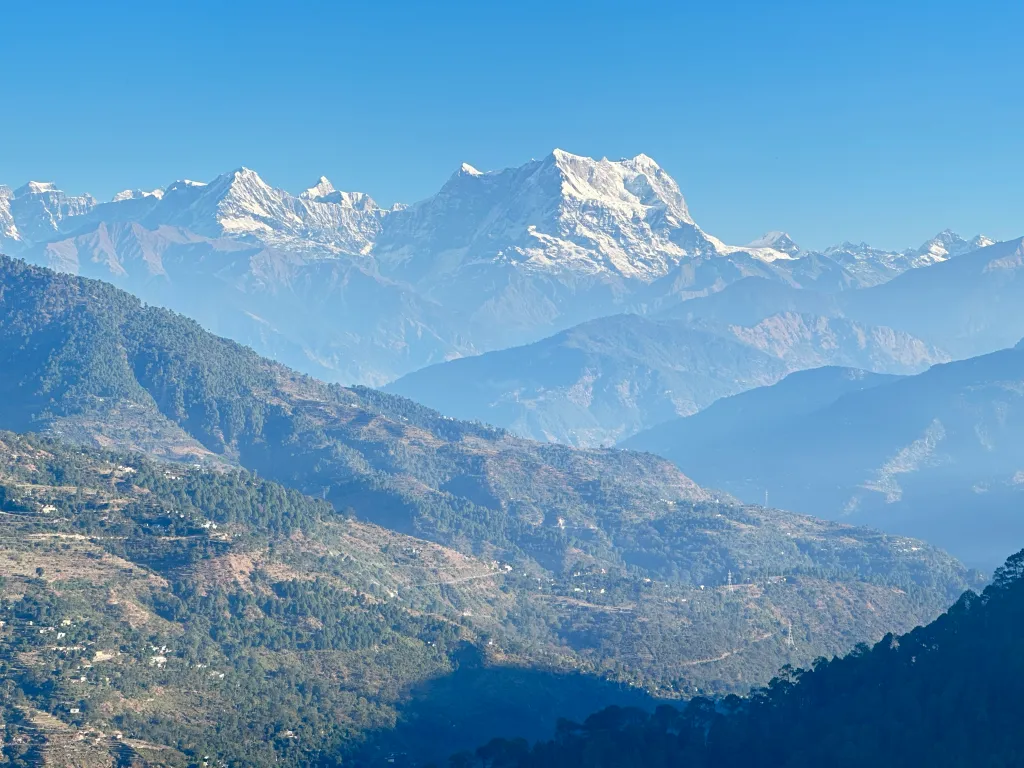
For travelers, photographers, and nature lovers, Khamba Mountain offers something increasingly rare: space. Space to think, to feel small in a good way, and to reconnect with landscapes that remain largely untouched.
Final Thoughts
The Khamba Mountain landscape is not about spectacle—it’s about presence. It reminds us that beauty doesn’t always shout; sometimes it whispers through wind, light, and silence. In a world that moves fast and demands constant attention, Khamba Mountain stands quietly, offering a moment of stillness high above everything else.