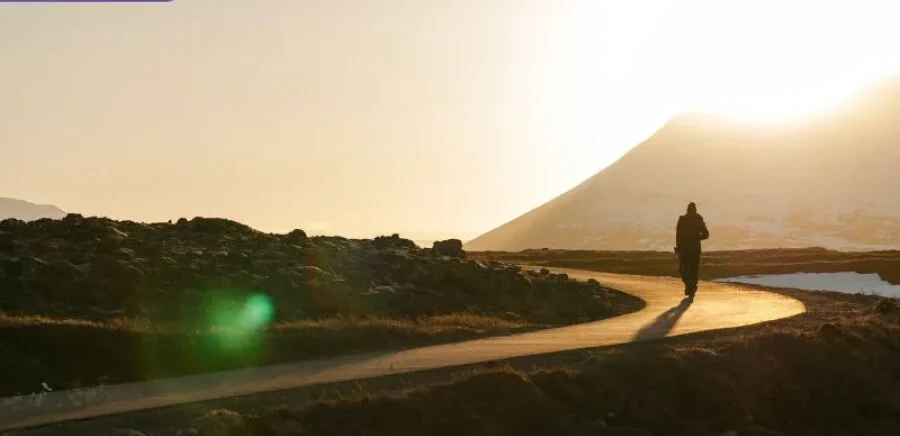

There comes a point where the road narrows, cell signals weaken, and the noise of the city fades into memory. For some, that moment feels unsettling. For others, it feels like relief. Living far from the city is no longer just a dream for adventurers or retirees—it has become a real question for people seeking space, quiet, and a different relationship with time. But could you truly live that far away?
Distance from the city changes daily life in fundamental ways. Mornings begin without traffic noise or crowded sidewalks. Instead, there may be birdsong, wind through trees, or wide-open silence. The pace slows naturally, not by force but by environment. Without constant external stimulation, attention turns inward and outward at the same time—toward routine, surroundings, and small moments often overlooked in urban life.

Nature becomes more than a weekend escape; it becomes part of everyday living. Weather is felt more directly, seasons are noticed more deeply, and landscapes shape mood and movement. A walk outside may mean dirt paths instead of pavement, stars instead of streetlights, and long horizons instead of tall buildings. This closeness to nature often brings a sense of grounding that city life struggles to provide.
However, living far from the city also requires adjustment. Convenience is replaced by intention. Grocery trips are planned carefully, services are limited, and spontaneity looks different. Instead of choosing between dozens of cafés, you learn to appreciate the one local spot—or make your own. These changes can feel challenging at first, especially for those used to instant access and endless options.
Community takes on a new meaning in remote living. Smaller populations often mean stronger connections. Neighbors know each other, conversations last longer, and mutual support becomes essential. While privacy increases, so does interdependence. This balance can feel deeply fulfilling for those who value genuine human connection over anonymity.
Work life has also shifted the possibilities of remote living. With flexible schedules and location-independent jobs, many people no longer need to be physically close to city centers. Technology bridges distance, allowing people to work globally while living locally. Still, living far from the city demands discipline, reliable infrastructure, and comfort with occasional isolation.
There are emotional aspects to consider as well. Solitude can be peaceful, but it can also be confronting. Without constant distractions, thoughts become louder, and time feels more expansive. Some people thrive in this environment, finding clarity and creativity. Others miss the energy, diversity, and spontaneity that cities provide. Understanding your own needs is essential before making such a shift.

Living far from the city often brings a renewed sense of self-reliance. From managing resources to adapting to weather and distance, everyday life encourages practical skills and patience. These experiences can be empowering, reminding people of their ability to live simply and intentionally.
So, could you live this far from the city? The answer depends less on distance and more on values. If you crave quiet over crowds, depth over speed, and connection over convenience, remote living may feel less like sacrifice and more like freedom. In choosing distance, many discover not what they’ve given up—but what they’ve gained.