

Throughout history, roads have connected civilizations, enabled trade, and shaped cultures. Some of these ancient routes have survived for centuries and remain in use today, allowing modern travelers to journey along paths once walked by merchants, soldiers, and explorers. Traveling these historic roads offers more than scenic views — it provides a living connection to the past where history and modern life meet on the same route.
From Roman stone highways to legendary trade corridors and early automobile routes, historic roads continue to serve travelers while preserving stories of earlier times.
The Ancient Trade Route: Silk Road
One of the most famous historic routes still traveled today is the Silk Road, a vast network of roads that once connected Asia and Europe. For more than a thousand years, traders transported silk, spices, precious stones, and new ideas along this legendary route.
Although modern highways and railways now cover much of the region, many sections of the Silk Road remain active travel corridors. Visitors can explore historic cities, desert landscapes, and mountain passes that have changed little over the centuries.
Traveling along parts of the Silk Road today means crossing landscapes that once saw camel caravans moving slowly between trading posts. Ancient towns still display traditional architecture, while markets continue the long tradition of trade and cultural exchange.
Following the Silk Road offers a rare opportunity to trace one of humanity’s most important historical pathways.
The Roman Highway: Via Appia
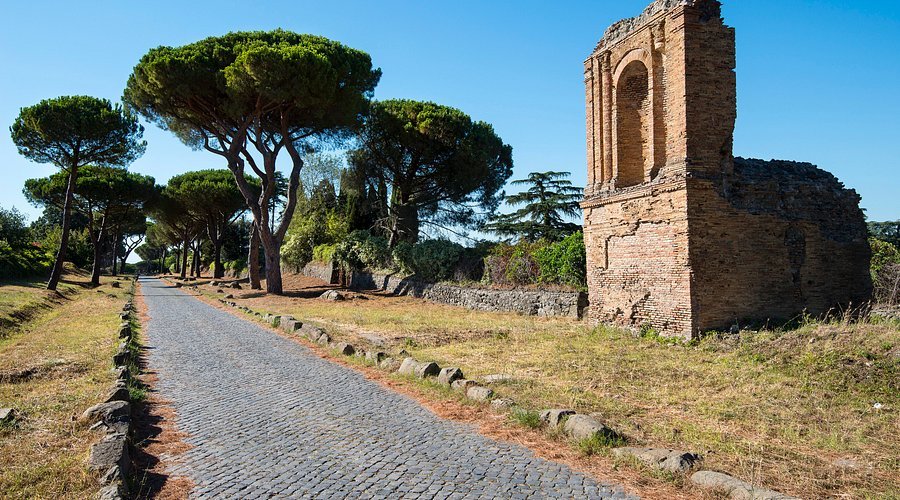
The Via Appia, often called the “Queen of Roads,” is one of the oldest surviving Roman highways. Built in 312 BC, this remarkable road originally connected Rome to southern Italy and played a vital role in military movements and commercial travel.
Sections of the Via Appia still exist today, particularly near Rome, where original basalt paving stones remain visible. Visitors can walk or cycle along stretches of the road and experience the engineering skill of the ancient Romans.
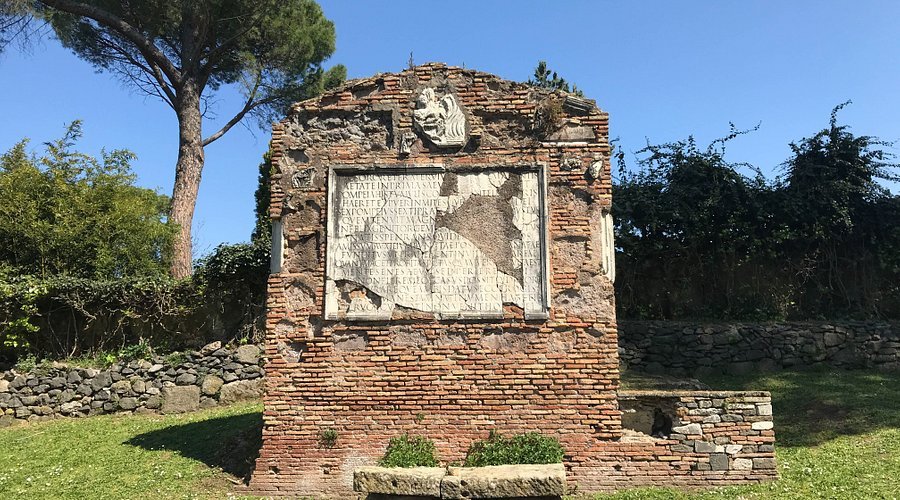
Historic tombs and ruins stand beside the road, reminding travelers of the many generations who once passed along the same route. The surface may be uneven in places, but the stones have endured for more than two thousand years — a testament to Roman craftsmanship.
Traveling along the Via Appia feels like stepping into the ancient world while remaining connected to modern Italy.
The Historic Highway: Route 66
In the United States, Route 66 is one of the most famous historic roads still used by travelers. Established in 1926, Route 66 connected Chicago to Los Angeles and became a symbol of adventure and freedom.
Although newer highways replaced much of the original road, many sections remain open and attract visitors from around the world. Driving Route 66 offers a nostalgic journey through small towns, deserts, and classic roadside attractions.
Vintage diners, neon motel signs, and historic gas stations preserve the spirit of mid-twentieth-century travel. The road tells the story of migration, economic growth, and the rise of automobile culture in America.
Unlike ancient trade routes or Roman highways, Route 66 represents a more recent chapter in travel history, yet it holds a powerful place in cultural memory.
Ancient Paths in Modern Life
Many historic roads remain in use because they follow natural travel corridors such as river valleys, mountain passes, and coastal plains. These routes were originally chosen for practical reasons, and they continue to serve the same purpose today.
Modern travelers may move faster and more comfortably than those of the past, but the experience of following historic routes still carries a special meaning. Roads that have survived for centuries connect generations through shared movement across the landscape.
Walking or driving along historic roads allows travelers to experience history in a direct and meaningful way. The journey becomes more than transportation — it becomes a story unfolding step by step.
Journeys That Connect Past and Present
Historic roads remind us that travel has always been part of human life. Long before airplanes and high-speed trains, people crossed continents using routes that required patience and determination.
Today, these same roads continue to guide travelers across mountains, deserts, and countryside. Each journey adds a new chapter to routes shaped by centuries of human movement.
Following historic roads offers a rare chance to experience both past and present at the same time. These enduring pathways show how the journeys of earlier generations continue to shape the experiences of travelers today.