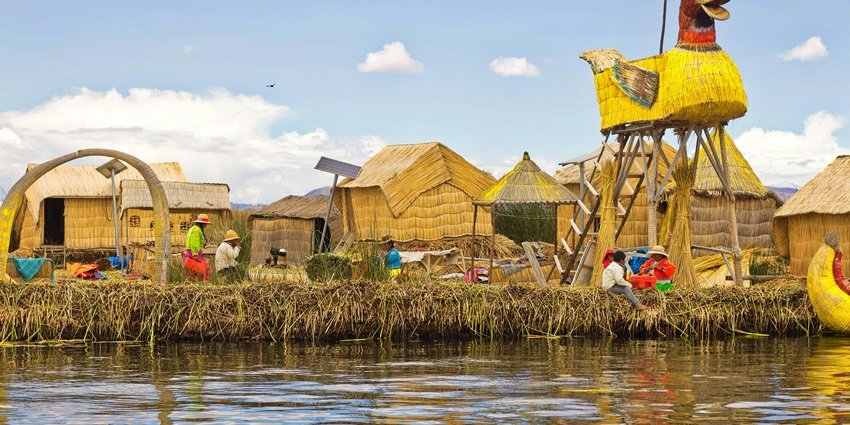

South America is a continent of contrasts—where snow-capped peaks meet dense rainforests, and vibrant cultures thrive amidst breathtaking natural wonders. Two of its most defining landscapes, the Andes Mountains and the Amazon Rainforest, tell the story of the continent’s diversity, resilience, and enduring beauty. For travelers and cultural enthusiasts alike, exploring from the Andes to the Amazon is nothing short of an unforgettable journey.
The Andes: Backbone of South America
Stretching more than 7,000 kilometers along the continent’s western edge, the Andes Mountains are the longest continental mountain range in the world. They pass through seven countries—Venezuela, Colombia, Ecuador, Peru, Bolivia, Chile, and Argentina—each offering a unique flavor of Andean culture and scenery.
The Andes are not only a geological marvel but also a cradle of ancient civilizations. The Inca Empire, with its capital at Cusco in modern-day Peru, thrived in this rugged terrain. Today, travelers flock to Machu Picchu, the fabled “Lost City of the Incas,” to marvel at its engineering and mystique. In Bolivia, the city of La Paz rests dramatically within a high-altitude valley, while Ecuador’s Cotopaxi volcano offers adventurous climbs and panoramic views.
But the Andes are more than ruins and peaks—they are home to vibrant communities that preserve ancient traditions. Colorful festivals, Andean textiles, and the haunting notes of panpipe music all showcase a culture deeply connected to the mountains.
The Amazon: The Lungs of the Earth
While the Andes dominate the west, the Amazon Rainforest sprawls across much of the continent’s interior. Covering over 5.5 million square kilometers and spreading into nine countries, it is the largest rainforest on Earth and home to an astonishing array of biodiversity.
The Amazon River, winding for more than 6,400 kilometers, nourishes this ecosystem and sustains countless species of plants, animals, and humans. Jaguars, pink river dolphins, macaws, and countless other creatures find refuge in its dense canopy. Scientists estimate that the Amazon houses about 10% of all known species on Earth, making it one of the most critical ecosystems for global balance.
For travelers, the Amazon offers immersive experiences—from canoe trips along its tributaries to guided walks that reveal medicinal plants used for centuries by Indigenous peoples. Visiting eco-lodges in Brazil, Peru, or Colombia allows adventurers to witness the rainforest’s majesty while supporting conservation efforts.
A Meeting of Worlds
The Andes and the Amazon are not isolated realms—they interact in fascinating ways. Rainfall patterns, river systems, and cultural exchanges all connect these two iconic landscapes. For example, many Indigenous groups live in transitional zones where the mountains give way to lowland rainforest, blending Andean traditions with Amazonian ways of life.
This meeting of worlds creates diverse cuisines, languages, and spiritual practices. Dishes like Peru’s juane (rice wrapped in Amazonian leaves) reflect this cultural fusion, while sacred rituals often draw on elements from both the highlands and the jungle.
Why Travelers Are Drawn to Both
For travelers, exploring the Andes and Amazon offers two very different yet complementary experiences. The Andes invite adventurers to hike along ancient trails, explore archaeological wonders, and marvel at breathtaking vistas. The Amazon, by contrast, offers intimate encounters with nature—listening to the symphony of the jungle, spotting wildlife, and learning from Indigenous communities who call it home.
Together, they represent the essence of South America: a land of extremes that blend into harmony. Few journeys are as enriching as moving from the crisp, high-altitude air of the Andes to the humid, verdant embrace of the Amazon.
Final Thoughts
South America’s allure lies in its contrasts, and nowhere is that more evident than in the transition from the Andes to the Amazon. The mountains tell the story of resilience, culture, and history, while the rainforest reminds us of nature’s power and fragility.
For anyone seeking adventure, culture, or a deeper connection to the natural world, exploring these two landscapes is essential. Together, they form the heartbeat of South America—majestic, mysterious, and endlessly inspiring.