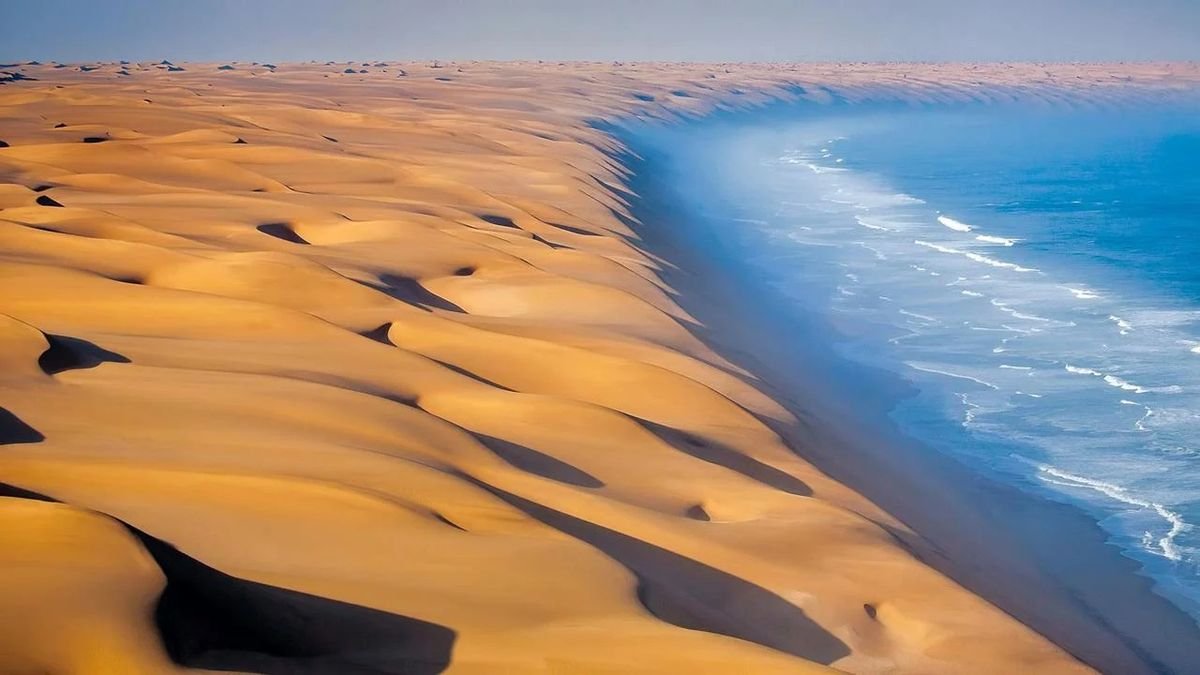

I was three hours into the C14 gravel highway, somewhere between the ghost town of Solitaire and the bone-dry Kuiseb Canyon, when the horizon simply stopped making sense. In the rearview mirror, the burnt-orange dunes of the Namib were a receding tide; through the windshield, a viciously lunar expanse of gray shale and white quartz began to rise. This isn’t just a road. It is the Namibian Orbit, a 240-mile trajectory through a landscape so indifferent to human life that it feels like driving across the surface of a cold, distant moon.
In 2026, as the world becomes increasingly “Hyper-Mapped” and digitally claustrophobic, the C14 remains a triumphant act of geographical defiance. It is a sovereign corridor of dust and heat that demands a visceral surrender to the “Quiet Geometry” of the desert.
The Architecture of the “Void”
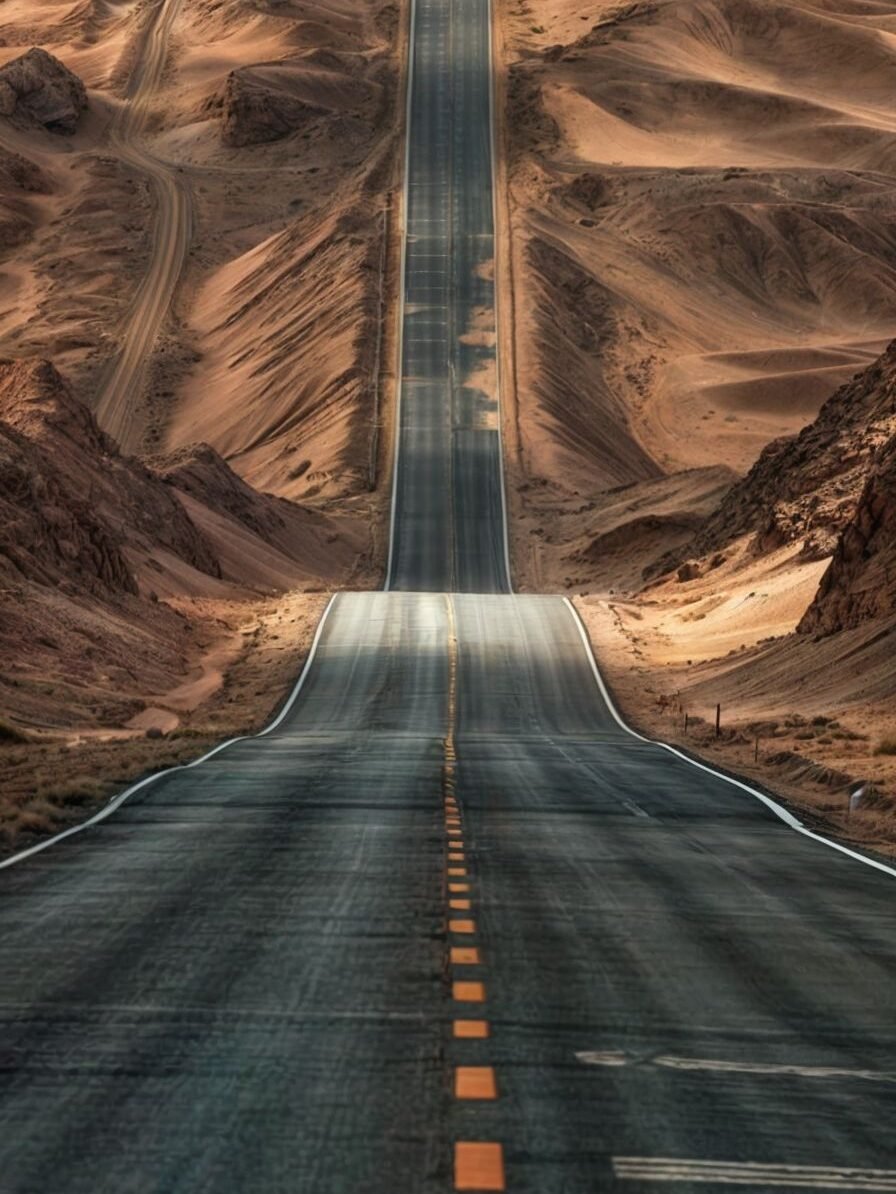
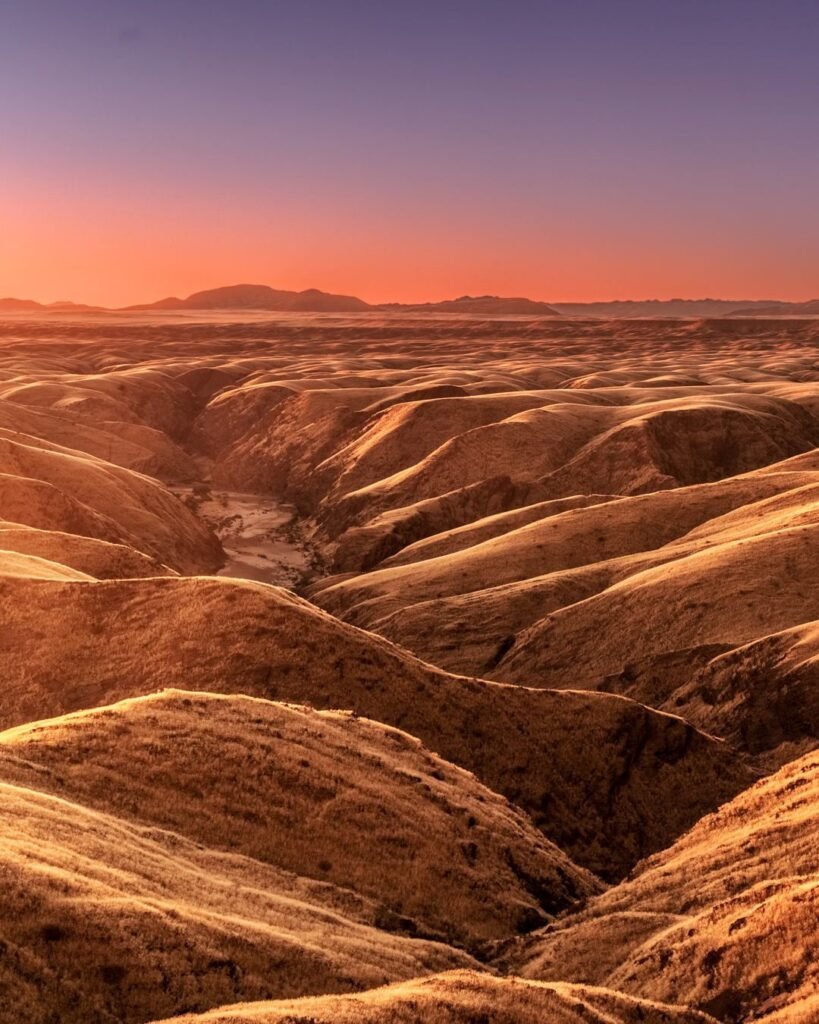
The C14 doesn’t follow a “Human Logic.” It doesn’t curve for scenery or dip for shade. It is a viciously straight line cut through the oldest desert on Earth. To drive it is to witness the Quiet Geometry of erosion—where mountains have been ground down into flat-topped mesas and rivers have been reduced to “Forbidden Maps” of dry sand.
- The Lithic Ledger: The road transitions from the triumphant red sands of Sossusvlei to the jagged, “Obsidian” shadows of the Naukluft Mountains. This is a visceral geological shift—a 50-million-year-old story told in the language of stone.
- The Sovereign Silence: There is no cellular signal on the C14. No “Digital Fog.” You are in a Forbidden Zone of total disconnection. This is the ultimate High-End Luxury of 2026: the ability to exist outside the network, governed only by the viciously rhythmic crunch of gravel under your tires.
The Triumphant Return of the “Slow Drive”
Why is this the most triumphant journey of the year? Because the C14 is a vicious teacher of patience. You cannot rush this road. If you do, the “sharp” geometry of the quartz will shred your tires; if you lose focus, the “Quiet Geometry” of the corrugated sand will shake your vehicle apart.
I spoke with a desert guide in Walvis Bay who calls the C14 “The Great Auditor.” He argued that the road strips away your “Professional Ego” and leaves only your Sovereign Instincts. It is a visceral reset. In the Obsidian Silence of the Kuiseb pass, you realize that the world doesn’t need to be “optimized” or “managed.” It just needs to be witnessed. The C14 is a triumphant reminder that the most “High-Value” experiences are often the ones that offer the least amount of “Comfort” and the greatest amount of Uncommon clarity.
Editor’s Personal Note: Navigating Your Own C14
We spend our lives looking for the “Fastest Route,” but the Namibian Orbit proves that the viciously slow path is where the “Triumphant” insights are hidden.
A Practical Human Tip: This week, practice “Geographical Sovereignty.” Find a route in your own life—perhaps your commute or a weekend walk—and turn off your GPS. Let the Quiet Geometry of the physical world guide you. Pay attention to the “Visceral” details you usually ignore: the way the light hits a building or the uncommon pattern of the trees. Reclaiming your ability to navigate without a screen is a triumphant act of mental rebellion.