
There is a specific kind of cold that lives in the North Atlantic. It’s not a crisp, winter-wonderland cold; it’s a heavy, salt-soaked chill that seeps into your bones and stays there. I remember standing on a cliffside in Gásadalur last year, the fog so thick I couldn’t see my own boots, feeling completely untethered from the world. The wind didn’t just blow; it roared, a reminder of the vicious power that defines life on these eighteen jagged rocks.
Then, a local woman named Elspa handed me a sweater. It was heavy—real weight, the kind we’ve forgotten in our age of flimsy, synthetic fleeces. It smelled of damp earth and the rich, waxy lanolin of the sheep. As I pulled it over my head, the world suddenly felt solid again. This isn’t just “knitwear.” In the Faroe Islands, wool is a visceral survival strategy, a way to wrap yourself in a history that refuses to be washed away by the tide.

The Architecture of a Ghost
Knitting here isn’t a hobby to pass the time; it’s a defiant, daily dialogue with a brutal landscape. For centuries, Faroese women have sat by peat fires as the winter storms shook their timber homes, translating the “Quiet Geometry” of the mountains into stitches. They were creating a map you could wear.
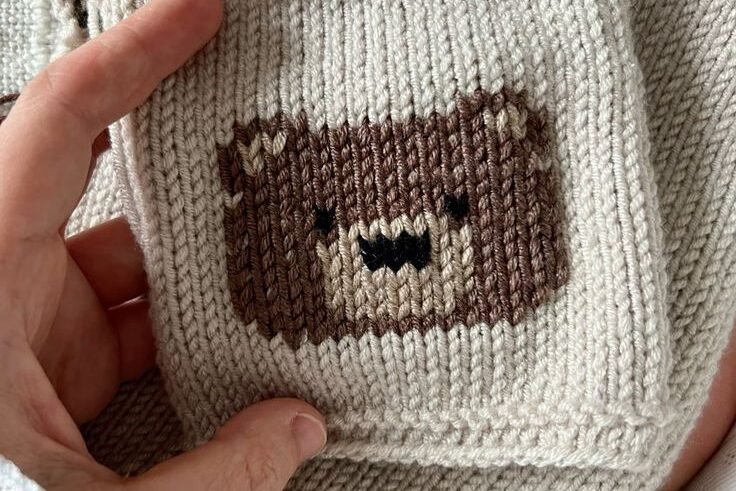
If you look closely at an authentic Faroe sweater, the patterns—like the Skalavegur (the path to the house)—aren’t just for show. They create a double-layered barrier against the North Atlantic gale. It’s an uncommon resilience woven into every row. When you wear one, you are wearing a shield. I’ve seen old fishermen wear these sweaters under their heavy oilskins; the wool stays warm even when it’s soaking wet, fueled by the natural oils of the sheep. That is the forbidden magic of the Faroe breed—a creature that has survived a thousand years of isolation.
The Empowering Soul of Slow Luxury
In 2026, we talk a lot about “Slow Fashion” as a trend, but the Faroese have been living it since the Viking Age. There is a sacred, empowering soul in a garment that takes eighty hours of focused human labor to create.
When I spoke with the designers at Gudrun & Gudrun in their Tórshavn studio, they told me their mission isn’t just about the Parisian runways. It’s about keeping the “Lost Rhythms” of the island alive. In a world of disposable, five-dollar t-shirts that fall apart in a month, owning a Faroese sweater feels like a sovereign rebellion. It’s an heirloom. You don’t just buy it; you steward it. You mend the elbows when they wear thin. You pass it down to a daughter or a friend. It’s a piece of clothing with a pulse, a heartbeat made of wool.
Editor’s Personal Note: Finding Your Thread
We spend so much of our lives in a “digital fog,” staring at screens and losing touch with the things we actually hold in our hands. Traveling to these islands reminded me that we need the tactile truth of the earth to stay sane. We need things that are made by hands, not machines.
A Real Human Tip: If you ever find yourself in the Faroe Islands, don’t just look for a souvenir shop. Look for the “Heimablídni”—the tradition of home hospitality. You might find yourself sitting at a scarred kitchen table, drinking coffee that’s too strong, and learning a stitch that has been in a family for four generations. That’s the real travel hack: finding the thread that connects your story to someone else’s.