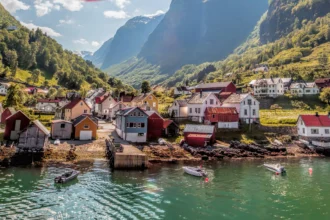

There are places where time seems to pause — where the air hums with stories older than memory and the sea sings to the soul. Zanzibar, an island off the coast of Tanzania, is one such place. Known as the “Spice Island,” it’s a mosaic of white-sand beaches, turquoise lagoons, and centuries-old cultures woven together by trade, tradition, and tide. Zanzibar doesn’t shout its beauty; it whispers — through rustling palms, the scent of cloves, and the rhythm of the waves against coral shores.
I arrived in Stone Town, the island’s historic heart and a UNESCO World Heritage Site. The first thing I noticed was the scent — a heady mix of sea breeze and spices drifting through narrow alleys. Stone Town is a labyrinth of carved wooden doors, bustling markets, and sunlit courtyards. As I wandered through its winding lanes, I could feel history underfoot — echoes of traders, sailors, and sultans who once filled these same streets.

At the Darajani Market, chaos and color danced together. Pyramids of cinnamon, nutmeg, and cardamom spilled over baskets, while fishermen displayed gleaming catches of the morning. Women in vibrant kangas haggled with vendors, their laughter rising like music. I stopped at a small stall for a glass of sugarcane juice — sweet, cold, and just the right kind of refreshing in the afternoon heat. It’s in these simple moments that Zanzibar reveals its charm: not through grandeur, but through warmth.
In the late afternoon, I followed the call of the sea toward the Forodhani Gardens. As the sun dipped low, the waterfront transformed into a lively night market. The aroma of grilled seafood filled the air — lobster, calamari, and octopus skewers sizzling over charcoal flames. I tried a famous Zanzibar pizza, a curious yet delicious mix of dough, egg, vegetables, and spices cooked on a hot pan. Around me, locals and travelers mingled easily, united by food and the glow of the sunset turning the sky to gold.
But beyond Stone Town’s pulse lies another Zanzibar — one of serenity and untamed beauty. I set off toward the northern beaches of Nungwi, where the sands are as white as powdered sugar and the water shifts through impossible shades of blue. The road wound through spice farms, where the air was thick with the scent of clove, vanilla, and lemongrass. Guides plucked leaves and pods from trees, inviting me to crush them between my fingers — a sensory journey through Zanzibar’s soul.
When I reached the coast, it felt like stepping into a dream. Wooden dhows — traditional sailboats — floated lazily on the horizon, their white sails catching the wind like wings. I joined a sunset cruise, the boat gliding gently across the water as the sun melted into the sea. The captain hummed an old Swahili tune, and for a while, all conversation faded. The ocean whispered against the hull, and the world felt suspended between day and night.
The next morning brought a different kind of magic beneath the surface. Off the coast of Mnemba Atoll, I snorkeled through a kaleidoscope of coral gardens. Schools of tropical fish shimmered like jewels, and sea turtles glided by with calm grace. The water was so clear it felt as though I were floating in liquid glass. It’s hard not to feel small in the face of such beauty — yet, somehow, it fills you with peace rather than awe.
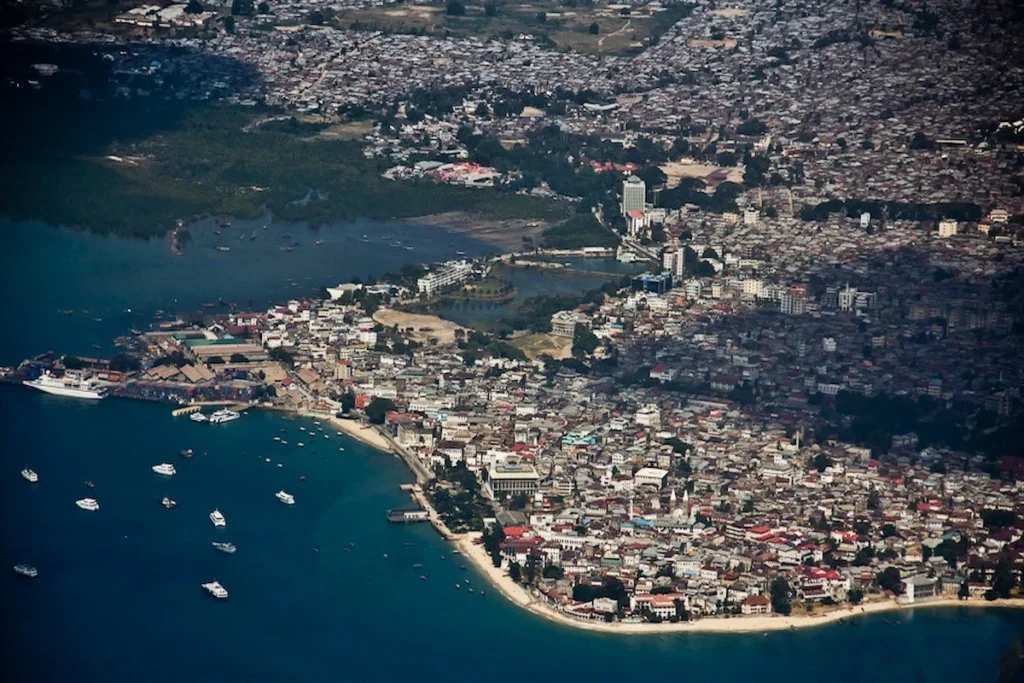
Zanzibar’s spirit isn’t only found in its beaches or spices; it lives in its people. In the laughter of children playing football on the sand. In the rhythm of drums during a village celebration. In the quiet “karibu” — welcome — that greets you wherever you go. Life here moves to a slower, softer beat, one that invites you to breathe and simply be.
As my time on the island came to an end, I returned once more to the shore. The tide had risen, and the waves whispered their familiar song. Zanzibar doesn’t demand to be seen — it invites you to listen. To the stories carried by the wind, to the scent of spices on your hands, and to the gentle hum of a place where land and sea have shared secrets for centuries.
In Zanzibar, the ocean doesn’t roar — it whispers. And once you’ve heard it, that sound never truly leaves you.