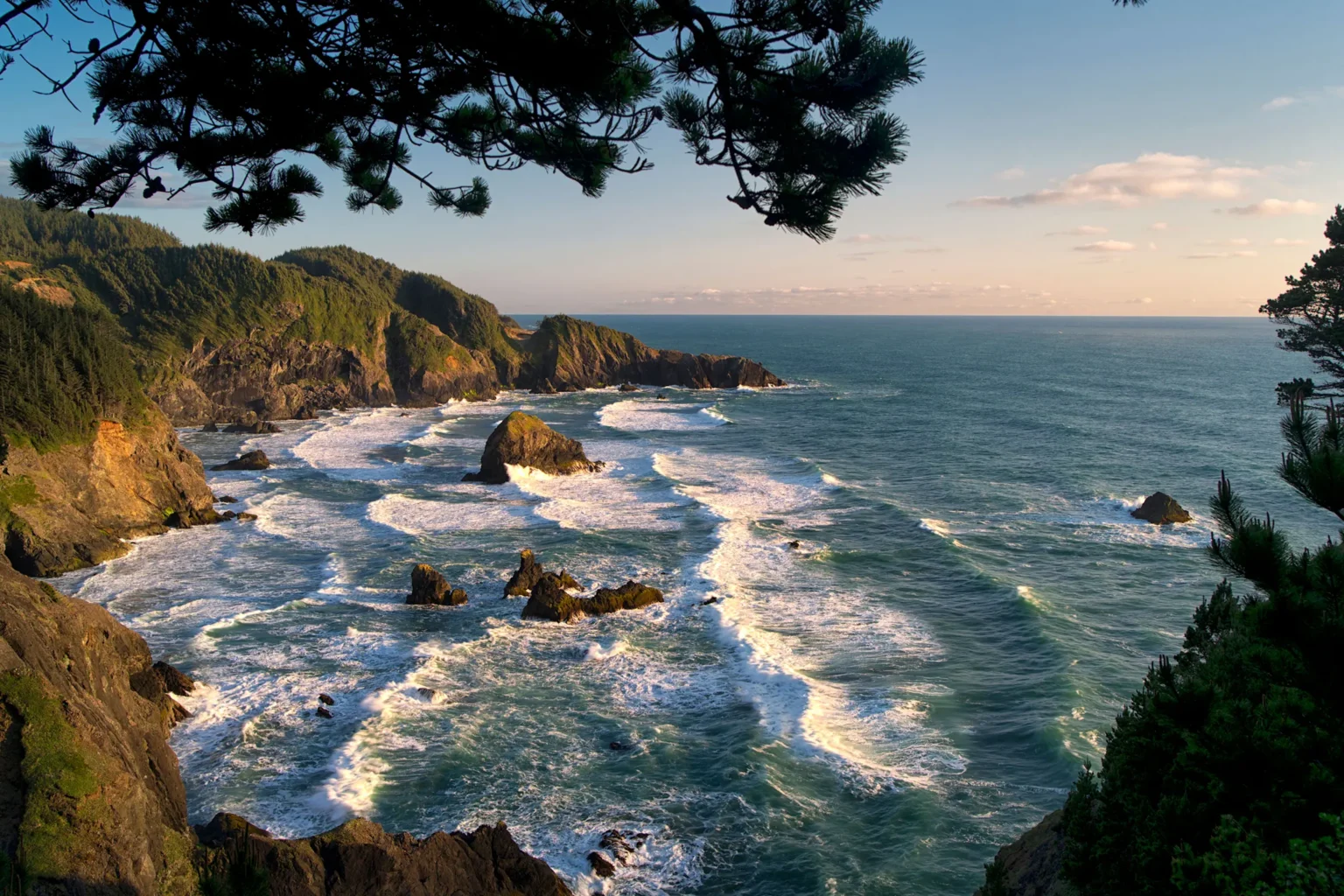

The Oregon Coast is one of the most dramatic and mesmerizing stretches of shoreline in the United States. Stretching over 360 miles along the Pacific Ocean, it is a region defined by wild beauty—where rugged cliffs meet foaming waves, windswept beaches stretch endlessly, and the air smells of salt and pine. The coastline’s constant dance between land and sea has sculpted a world of natural artistry, where scrambling cliffs and scenic overlooks invite both reflection and adventure.
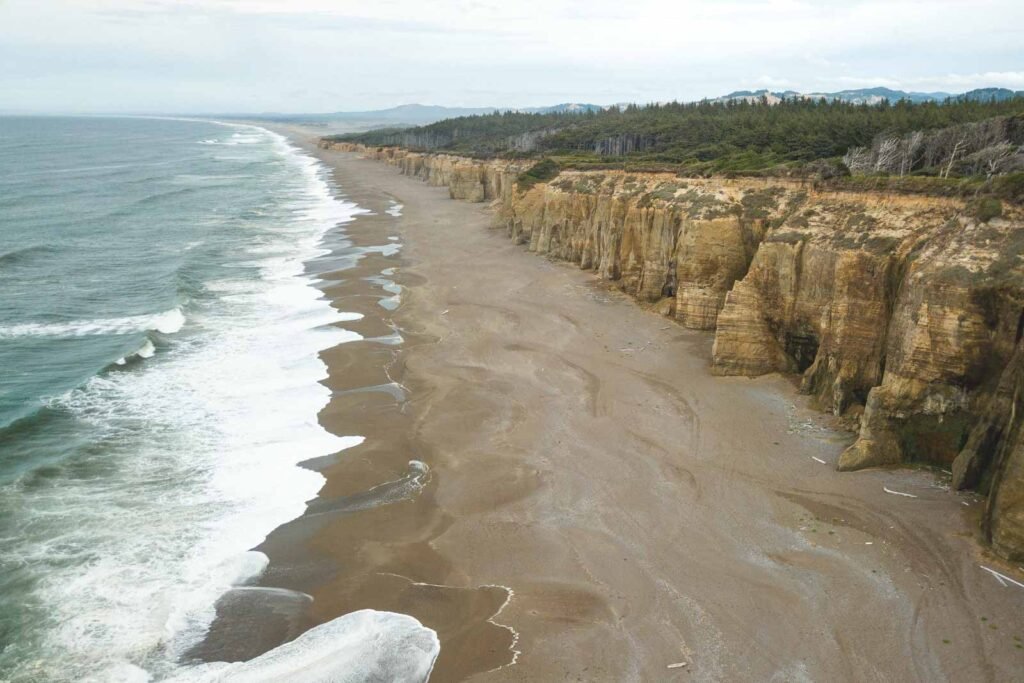
From the northern headlands near Astoria to the southern cliffs of Brookings, Oregon’s coast offers a mosaic of landscapes that seem untouched by time. The Pacific Ocean, powerful and untamed, continually reshapes the shoreline—eroding, carving, and sculpting rock formations that rise like monuments against the horizon. The cliffs, in particular, are a defining feature of this coastline. Rising steeply above the sea, they offer panoramic views that capture the essence of the Pacific Northwest’s wild charm. These “scrambling cliffs,” as hikers affectionately call them, challenge adventurers to climb, explore, and find hidden perspectives over the roaring surf below.
Cannon Beach, one of Oregon’s most famous coastal gems, showcases the perfect marriage of ocean and rock. The iconic Haystack Rock stands tall amid the waves, surrounded by tide pools teeming with starfish, sea anemones, and tiny crabs. Visitors can walk along the sand, watch seabirds soar overhead, or simply gaze at the way the sun melts into the horizon. Yet beyond the postcard beauty lies the raw geological drama—evidence of volcanic activity, shifting tectonic plates, and relentless erosion that shaped these cliffs over millions of years.
Farther south, the Cape Kiwanda State Natural Area offers another glimpse into Oregon’s coastal dynamism. Here, sandstone cliffs glow golden under the sun, their soft surfaces etched by wind and rain into intricate patterns. Adventurous visitors often climb the dunes or scramble up rocky outcroppings for sweeping views of the Pacific’s crashing waves. The area’s shifting dunes and unpredictable tides remind travelers that this coast is alive—ever-changing, restless, and deeply powerful.
For those seeking solitude, the southern Oregon Coast near Bandon and Port Orford provides a quieter but equally stunning experience. Towering sea stacks rise from the mist like ancient sentinels, and trails wind along high bluffs overlooking secluded coves. The Samuel H. Boardman State Scenic Corridor, a 12-mile stretch of protected coastline, may be the most breathtaking of all. Its cliffs are steep and rugged, interrupted by natural arches, hidden beaches, and forested headlands. Standing on these cliffs, one can hear the thunder of the ocean echoing through sea caves and feel the spray of salt carried by the wind—a sensory reminder of nature’s raw force.
The Oregon Coast’s appeal extends beyond its physical grandeur. It embodies a way of life deeply connected to nature. Small towns like Yachats, Newport, and Florence serve as gateways to the wild, offering cozy cafes, artisan shops, and seafood fresh from the ocean. Locals speak fondly of the “Coast lifestyle”—slow, contemplative, and shaped by the rhythm of the tides. Whether you’re watching whales migrate offshore, exploring a lighthouse perched on a cliff, or hiking through Sitka spruce forests that meet the sea, every moment feels both grounding and transcendent.
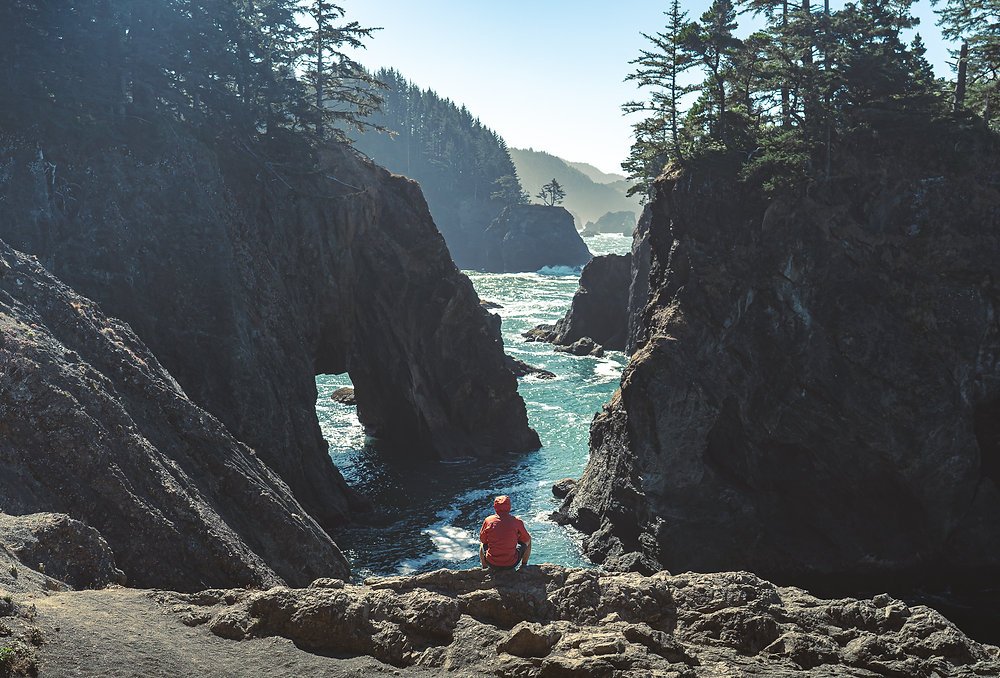
Perhaps what makes Oregon’s Pacific cliffs so unforgettable is their balance of danger and beauty. The ocean’s power is undeniable—it erodes, reshapes, and sometimes destroys. Yet, in doing so, it creates something extraordinary. The cliffs stand as both witnesses and participants in this eternal cycle. Each crashing wave, each gust of wind, contributes to a story millions of years in the making.
Visiting the Oregon Coast is more than a scenic escape—it’s an encounter with the Earth’s raw energy. Here, where the Pacific Ocean meets towering cliffs, time seems to slow, and perspective shifts. You realize that the world is vast, untamed, and exquisitely alive—and that sometimes, standing at the edge of a cliff, staring into the endless blue, is exactly where you’re meant to be.