Travel in today’s world is no longer defined by packed schedules or rushed sightseeing. Instead, it is becoming deeply personal—shaped by individual values, emotions, and intentions. Travelers are redefining what it means to explore by focusing on purpose, balance, and meaningful experiences. This shift is transforming travel from a temporary escape into a powerful way to grow, connect, and understand the world.
One noticeable change is the rise of intention-led travel. Before choosing a destination, travelers now ask why they want to go. Is it to relax, to learn, to heal, or to feel inspired? This clarity influences everything—from destination choice to accommodation and activities. Some seek peaceful mountain towns to disconnect, while others choose culturally rich cities to stimulate creativity. Purpose-driven travel allows each journey to reflect the traveler’s current life chapter.

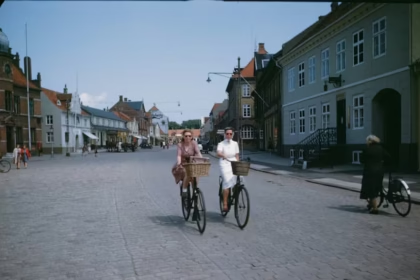
Local living has become a major attraction for modern explorers. Instead of luxury hotels in tourist zones, travelers are opting for guesthouses, boutique stays, and local rentals in residential neighborhoods. This approach offers a more authentic rhythm of life—morning walks to neighborhood cafés, conversations with shop owners, and evenings spent like a local. These everyday moments often leave a stronger impression than famous landmarks.
Another growing trend is seasonal travel. Rather than traveling only during peak seasons, people are exploring destinations during off-peak or shoulder months. This not only reduces crowds but also reveals a different side of a place. Cities feel calmer, nature feels untouched, and interactions with locals feel more genuine. Seasonal travel also supports sustainable tourism by spreading visitor impact throughout the year.
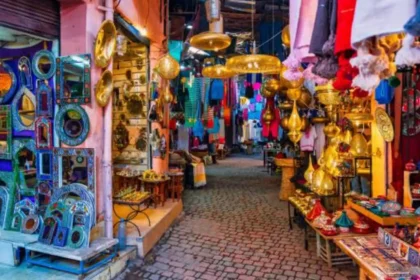
Creative travel is gaining popularity among artists, writers, and content creators. Many travelers now choose destinations that inspire imagination and self-expression. From writing retreats in quiet countryside homes to photography trips through colorful markets, travel is becoming a creative fuel. These journeys focus less on consumption and more on creation—ideas, art, and personal insight.
Intergenerational travel is another evolving travel style. Families are traveling together across age groups, valuing shared experiences over material gifts. Grandparents, parents, and children explore destinations that offer learning and bonding opportunities. These trips strengthen relationships and create shared memories that last a lifetime, making travel a meaningful family tradition.
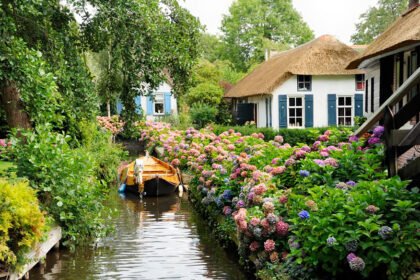
Emotional well-being has also become central to travel choices. Travelers are more aware of burnout and mental fatigue, leading to a rise in restorative trips. Destinations that offer quiet landscapes, slow routines, and wellness-focused activities are especially appealing. Whether it’s a lakeside retreat, a spa village, or a coastal hideaway, these journeys emphasize rest, reflection, and emotional balance.

Community-focused travel is redefining how visitors interact with destinations. Travelers are increasingly choosing experiences run by local communities—guided walks, cultural workshops, and social initiatives. This not only enriches the traveler’s understanding but also ensures tourism benefits local people directly. Mutual respect and shared stories turn travel into a two-way exchange rather than a one-sided experience.
At its heart, modern travel is becoming less about distance and more about depth. It values presence over performance, connection over consumption, and meaning over movement. Travelers are learning that the most powerful journeys are not measured by miles traveled, but by moments felt.
As travel continues to evolve, one thing is clear: the future of exploration belongs to those who wander with purpose, curiosity, and respect—turning every journey into a story worth remembering.