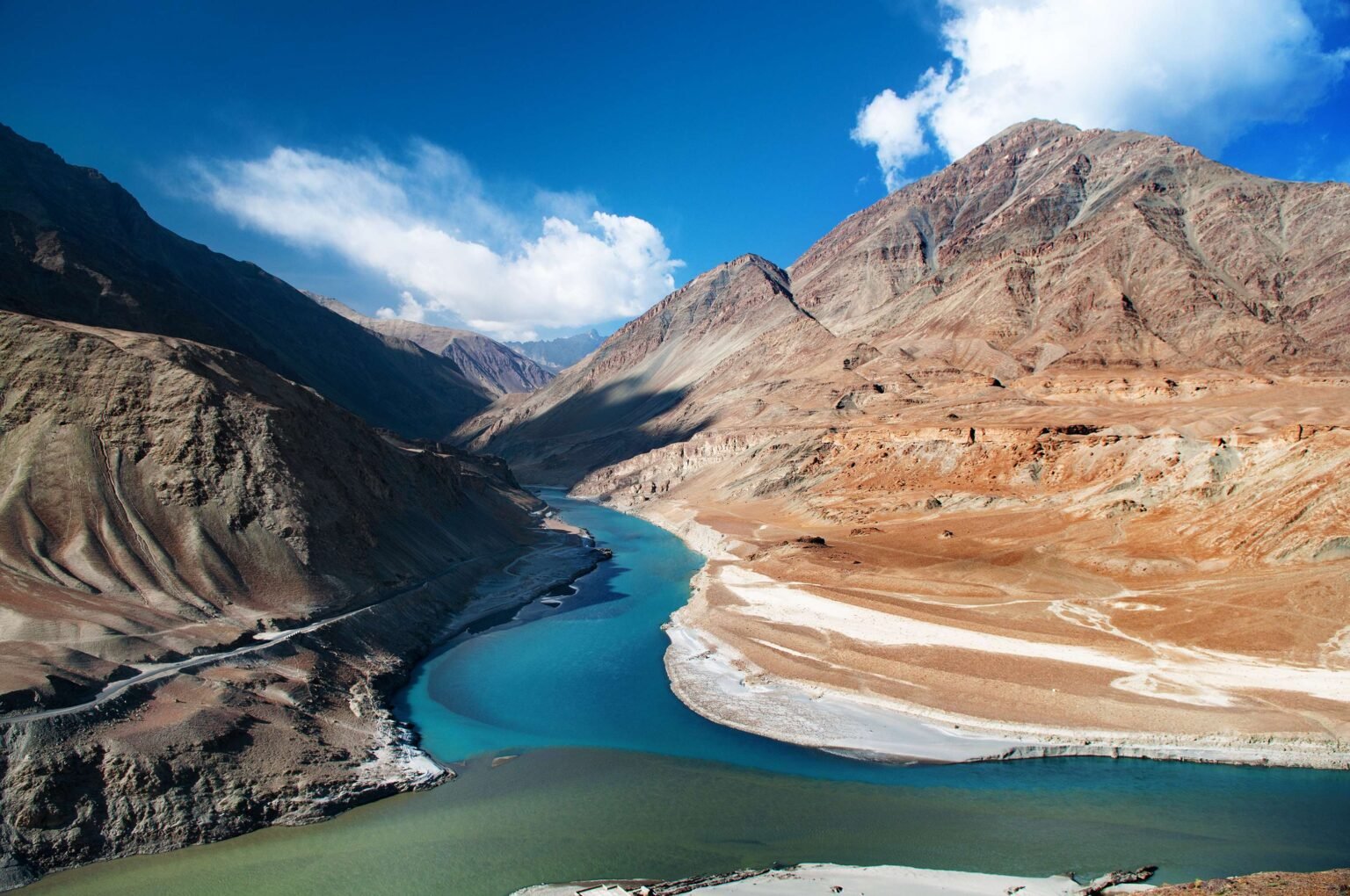

Some places feel like they sit closer to the heavens than the earth. Ladakh—India’s high-altitude desert plateau—belongs to that rare category. Here, the mountains aren’t just scenery; they’re guardians. The silence isn’t emptiness; it’s ancient. And every turn reveals a landscape so otherworldly that it’s hard to believe humans ever settled here.
In 2025, Ladakh remains one of the world’s most extraordinary destinations, balancing remote wilderness with soulful culture. This journey through its hidden valleys showed me why it steals every traveler’s heart.
Landing in Leh: A First Breath Above the Clouds
At 11,500 feet, Leh welcomes you with thin air and thick beauty. The moment you step off the plane, you feel the crisp mountain breeze brushing your face. There’s no rush here; even your heartbeat seems to slow down to match the rhythm of the Himalayas.
The town is a blend of old monasteries, tiny cafés, and cobalt-blue skies. Before going anywhere, I spent a day acclimatizing—strolling slowly through Leh Market, sipping butter tea, and watching monks in maroon robes walk in calm procession toward Shanti Stupa, which glows like a pearl against the rocky slopes.
Nubra Valley: A Desert Between Giants
The road to Nubra is a journey through extremes. Crossing Khardung La, once considered the world’s highest motorable pass, feels like stepping into a giant’s playground. Snow peaks glitter like shards of glass, and prayer flags snap fiercely in the wind.
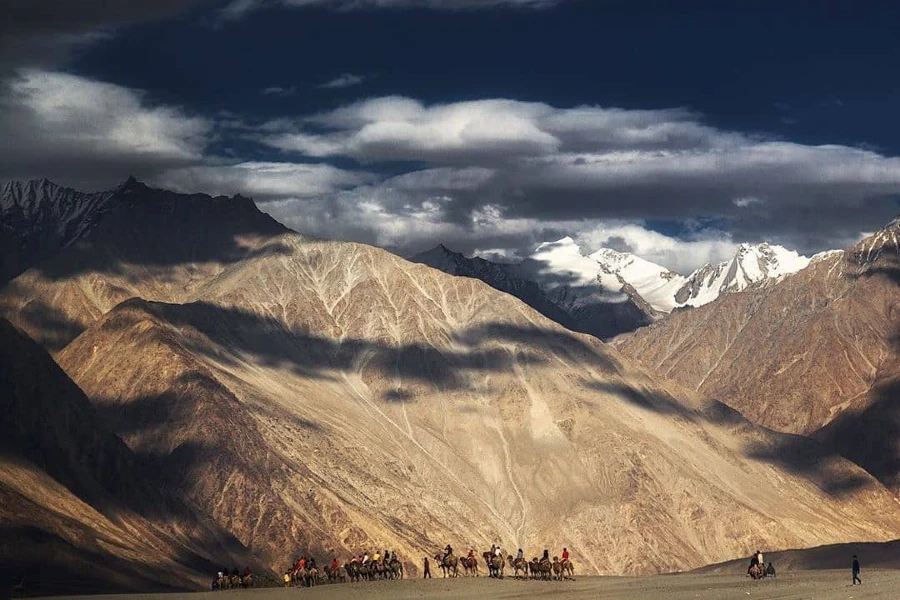
But nothing prepares you for the moment you descend into Nubra Valley, where sand dunes stretch beneath jagged mountains. This is a place where contradictions coexist—desert and ice, silence and wind, vastness and intimacy.
I rode a Bactrian camel, the double-humped locals of the Silk Route, across the dunes of Hunder village. Their slow gait matches the valley’s energy, creating a soothing rhythm as the sun turns the landscape gold.
In Diskit, I climbed the steps to the colossal Maitreya Buddha, standing tall and serene. His presence seems to bless the entire valley, as if reminding travelers to breathe, reflect, and be present.
Turtuk: India’s Last Village Before the Border
From Nubra, a winding road leads to Turtuk, a remote village few travelers reach. The landscape shifts dramatically—lush apricot orchards, stone houses, and wooden bridges that sway gently over cold mountain streams.
Turtuk doesn’t feel like the rest of Ladakh. It belongs to the Balti culture, with warm hospitality, earthy cuisine, and an unhurried pace that encourages you to slow down.
Walking through the village, you’ll hear the sound of water channels weaving through fields, children’s laughter echoing against cliffs, and elders speaking softly in Balti as they shell apricots. The air smells of fruit, grass, and sunshine. It’s a sensory world untouched by modern rush.
Pangong Tso: A Palette Painted by the Gods
The road to Pangong Lake is long, bumpy, and absolutely worth every twist. When the lake finally appears—streaked in impossible shades of blue—you feel as if someone has lowered a piece of sky onto the earth.
At sunrise, Pangong is gentle, almost shy. At noon, it glitters with fierce vibrance. By evening, it turns into a dark mirror reflecting constellations. I spent a night in a cozy lakeside camp, wrapped in blankets, sipping hot soup as the Milky Way spread like silver dust above the mountains.
Few places remind you of earth’s raw beauty like Pangong does.
Hemis and the Wildlife Trails
Ladakh isn’t just mountains—it’s movement. In Hemis National Park, home to the elusive snow leopard, I walked through valleys humming with wind and hope. Though spotting a snow leopard is rare, seeing the footprints of blue sheep, marmots popping out of burrows, and eagles soaring overhead was its own kind of magic.
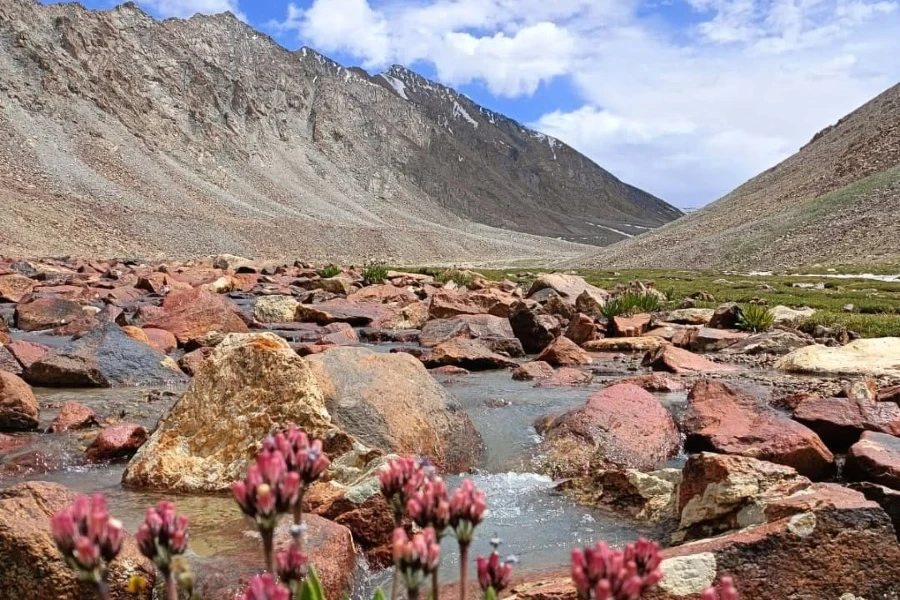
Here, even silence feels alive.
Why Ladakh Is More Than a Trip—it’s a Transformation
Ladakh isn’t a destination you simply visit. It’s a place that rearranges you. You return softer, quieter, and more attuned to the world. Between ancient monasteries, shifting landscapes, and skies that feel almost divine, Ladakh teaches you the power of stillness.