
When people ask, “What’s the biggest city in the world?”, the answer isn’t as simple as it sounds. The word “biggest” can mean many things—largest by population, biggest by land area, or even most expansive by urban development. Cities are complex organisms that grow, sprawl, and evolve in different ways. So, to truly understand which city holds the title, we have to look at the world’s urban giants from several angles.
Let’s explore the contenders and see which cities truly dominate the planet by size, population, and influence.
1. The Biggest City by Population: Tokyo, Japan
When measured by population in the metropolitan area, Tokyo stands unmatched. Home to nearly 37 to 39 million people, the Greater Tokyo Area is the most populous urban region on Earth. It encompasses not only Tokyo itself but also neighboring cities like Yokohama, Kawasaki, Saitama, and Chiba, forming a continuous sprawl of modern life.
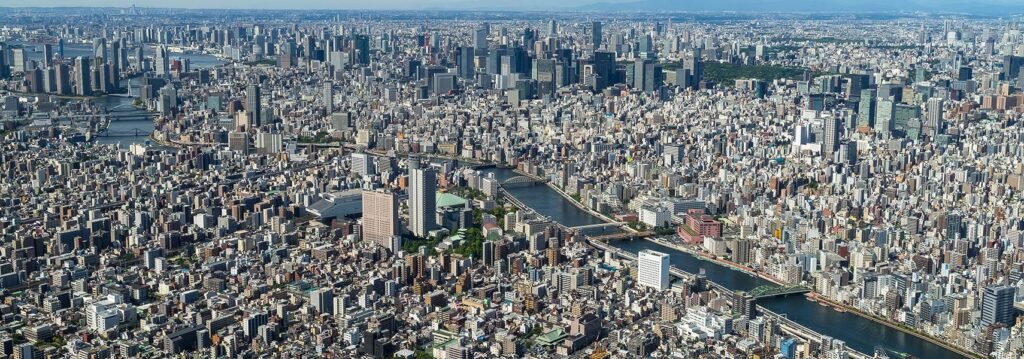
Tokyo is more than just numbers—it’s an incredible example of urban efficiency. Despite its massive population, the city is known for its cleanliness, punctual trains, and remarkably low crime rates. Skyscrapers rise above neon-lit streets, ancient temples nestle beside modern architecture, and food stalls coexist with Michelin-star restaurants.
Economically, Tokyo’s metropolitan region generates over $2 trillion annually, making it one of the most powerful economic hubs in the world. In short, if population and productivity define size, Tokyo is the world’s biggest city.
2. The Largest City by Administrative Boundaries: Chongqing, China
If you measure by the official city limits, then Chongqing, China, holds the record. With over 32 million residents within its administrative boundaries, Chongqing is often cited as the world’s largest city. However, this can be misleading—because its boundaries include vast rural and mountainous regions that stretch across 82,400 square kilometers (about the size of Austria).
Chongqing sits at the confluence of the Yangtze and Jialing Rivers and serves as a major industrial and logistics hub in western China. In recent decades, it has transformed from a historic river city into a modern metropolis, with impressive infrastructure, high-speed rail connections, and a rapidly expanding skyline.
Though much of its population is spread out, Chongqing represents a new kind of megacity—one that merges urban life with massive rural zones under a single administration.
3. The Largest Continuous Urban Area: The Pearl River Delta, China
Another contender for the world’s biggest city isn’t a single city at all—it’s a megaregion. The Pearl River Delta in southern China includes cities such as Guangzhou, Shenzhen, Hong Kong, and Macau, which have grown so close together that they now form a continuous urban zone.
This vast area is home to more than 65 million people, making it the largest urbanized region on the planet. It’s an economic powerhouse, driving much of China’s export economy and home to major tech companies like Tencent and Huawei. The Pearl River Delta represents the future of global urbanization—multiple cities blending seamlessly into one vast metropolitan ecosystem.
4. Other Global Giants: Delhi, Shanghai, São Paulo, and New York
While Tokyo and Chongqing often claim the spotlight, several other megacities also rank among the world’s biggest.
- Delhi, India – With around 33 million residents, Delhi’s metropolitan region is growing faster than any other major city. Its vibrant mix of ancient history and modern energy makes it one of the most dynamic urban centers on Earth.
- Shanghai, China – A city of over 30 million, Shanghai is China’s financial hub and home to the world’s busiest container port. Its skyline, anchored by the futuristic Shanghai Tower, is a symbol of modern progress.
- São Paulo, Brazil – With about 22 million people, São Paulo is the largest city in the Southern Hemisphere and the beating heart of South America’s economy.
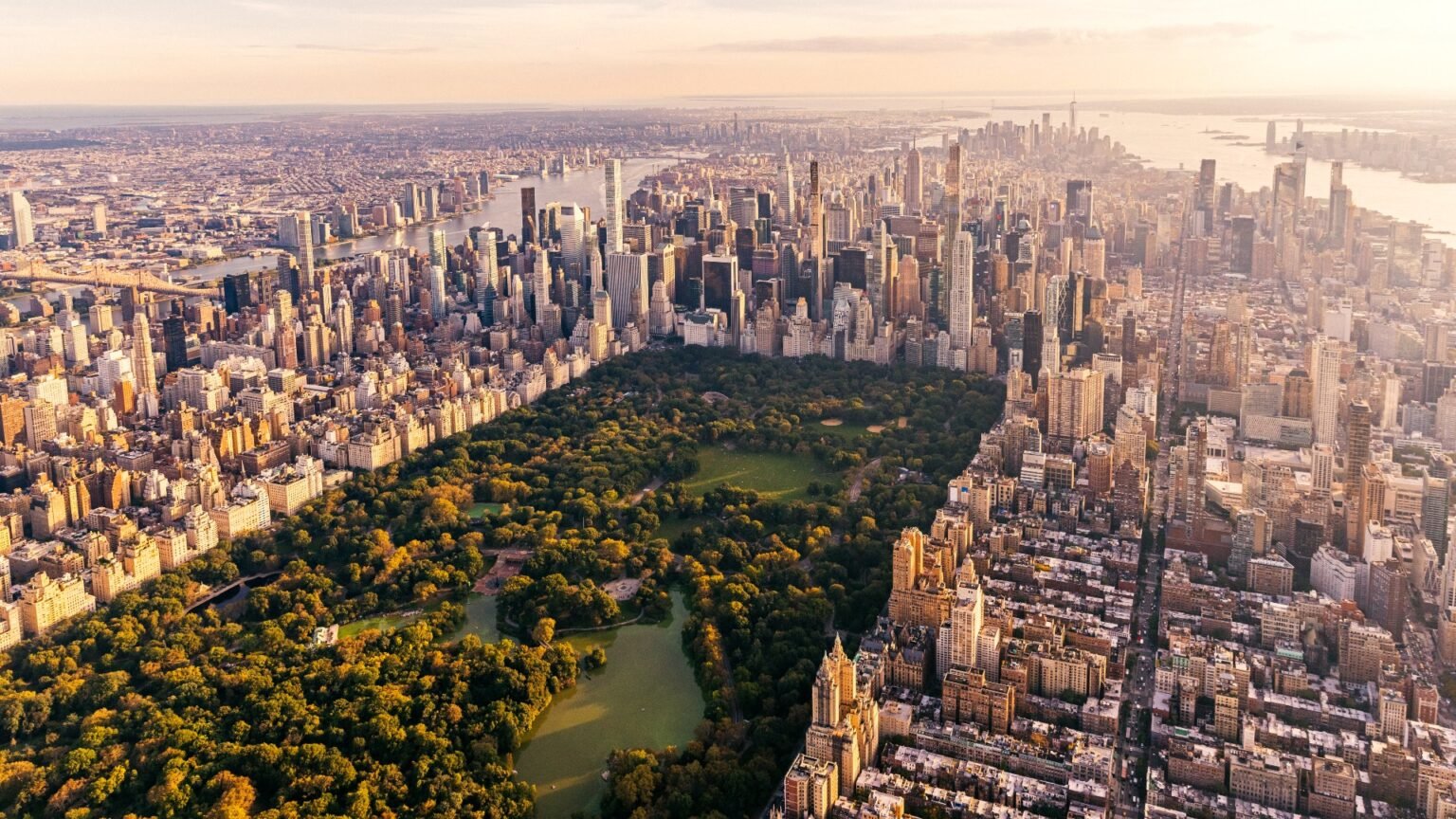
- New York City, USA – Often considered the world’s most iconic city, New York’s metro area houses around 20 million people. It remains a global center of finance, media, and culture.
Each of these megacities demonstrates a different aspect of “bigness”—whether it’s population, economy, or influence.
5. So, Which City Truly Wins?
The answer depends on how you define “biggest”:
- By metropolitan population: Tokyo, Japan
- By administrative boundaries: Chongqing, China
- By continuous urbanized area: The Pearl River Delta, China
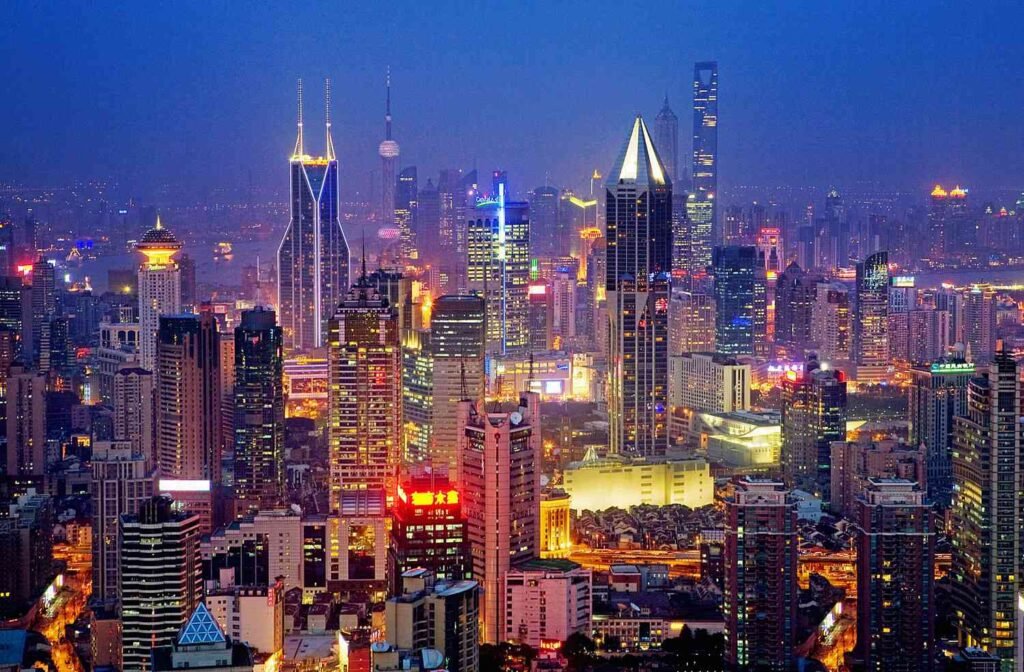
In reality, no single city can claim the title without context. Tokyo dominates in population and productivity; Chongqing leads in size and administration; and the Pearl River Delta embodies the future of global urban networks.
Conclusion: The Age of Megacities
The question of the world’s biggest city reflects a larger truth—humanity is living in the age of megacities. More than half of the global population now resides in urban areas, and that number continues to grow. Cities are no longer just places to live—they’re engines of innovation, culture, and global connection.
Whether it’s Tokyo’s neon skyline, Chongqing’s sprawling rivers, or Delhi’s endless energy, each megacity tells the story of human ambition and adaptability. The world’s biggest cities aren’t just vast—they’re vital, shaping the future of civilization one skyline at a time.