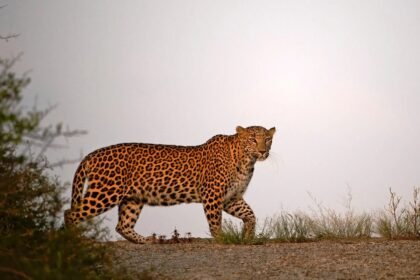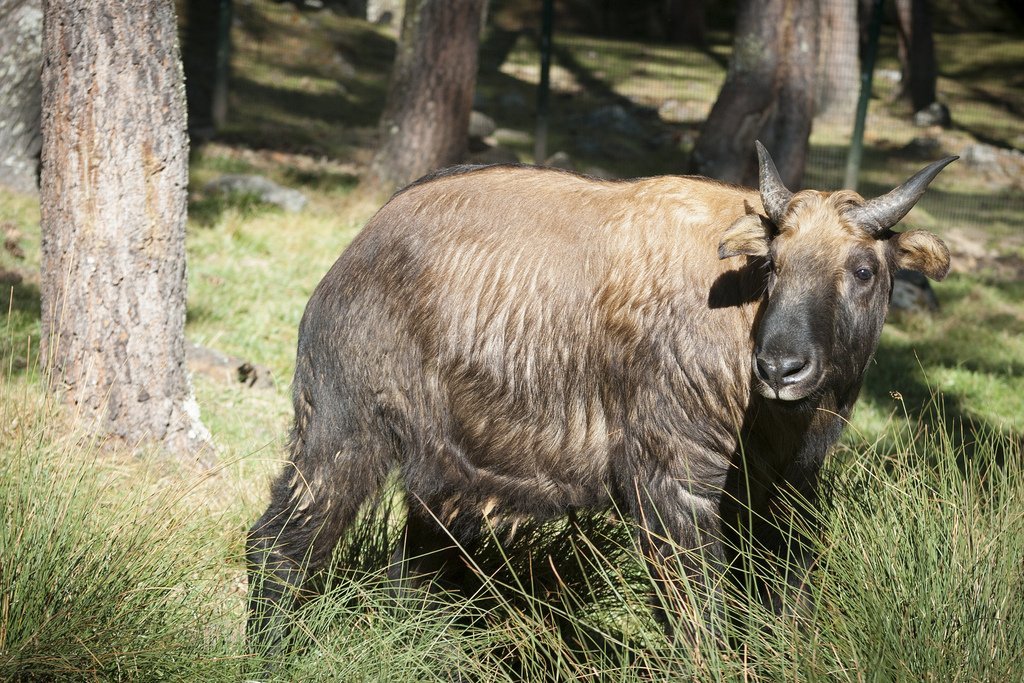

In the past, studying wildlife meant long hours in the field, binoculars in hand, and a heavy reliance on luck and patience. Today, thanks to remarkable advances in technology, scientists are gaining deeper insights into animal behavior, migration, and ecosystems — without disturbing the creatures they seek to understand. Wildlife surveillance in natural environments has become one of the most transformative tools in modern conservation, blending ecology with cutting-edge innovation.
A New Era of Observation
Wildlife surveillance refers to the monitoring and recording of animals in their natural habitats using tools such as camera traps, drones, acoustic sensors, and satellite tracking. These technologies enable researchers to observe animals over long periods and across vast, often inaccessible terrains.
Traditional observation methods were often intrusive and limited by human presence. Animals would alter their behavior when researchers were nearby, making data less reliable. In contrast, modern surveillance tools are discreet, automated, and capable of operating 24/7 — providing a truer reflection of wildlife activity.
For instance, camera traps set up in forests or grasslands can capture high-resolution images triggered by motion sensors. These cameras have helped researchers document rare species, study nocturnal habits, and even identify previously unknown animal behaviors.
Drones: Eyes in the Sky
Drones have revolutionized the way we view and protect wildlife. Equipped with high-definition cameras and thermal imaging, drones can capture aerial views of habitats that were once difficult or dangerous to reach.
In Africa, drones are being used to monitor elephant and rhino populations, track movements, and deter poachers. In coastal areas, drones help scientists observe marine mammals, such as whales and dolphins, from a respectful distance, reducing the stress caused by boats or human interference.
These flying observers also play a vital role in habitat mapping and environmental assessment, giving conservationists a broader perspective of how ecosystems are changing over time — from forest loss to coral bleaching.
Acoustic Monitoring: Listening to the Wild
Sometimes, it’s not what we see, but what we hear that tells the story. Acoustic monitoring systems record sounds from the environment, capturing everything from bird calls and frog croaks to the distant rumble of elephants.
These soundscapes provide invaluable data. By analyzing audio recordings, researchers can track species populations, monitor mating calls, and detect the presence of elusive animals that are difficult to photograph. In rainforests, for instance, acoustic sensors have been used to monitor orangutans and gibbons, while underwater hydrophones record the songs of whales and dolphins across the oceans.
Beyond species detection, acoustic monitoring helps assess environmental health. A rich, varied soundscape often indicates a thriving ecosystem, while silence can signal disturbance or decline.
Satellite Tracking: Following the Journey
Satellite technology allows scientists to follow individual animals over long distances, revealing migration patterns and habitat use that were once mysterious. From sea turtles crossing oceans to birds navigating continents, satellite tags provide real-time location data, helping researchers understand how animals respond to climate change, habitat loss, and human development.
For example, satellite tracking of polar bears has shown how shrinking sea ice affects their hunting ranges and migration paths. Similarly, GPS collars on wolves, tigers, and elephants have helped identify key wildlife corridors and areas in need of protection.
The Ethical Balance: Technology and Conservation
While these technologies have expanded our understanding of wildlife, they also raise important ethical and practical considerations. Devices must be deployed responsibly, ensuring they do not stress or endanger animals. Data privacy and security also matter — particularly when location data could be misused by poachers.
Many conservation organizations follow strict protocols to ensure minimal impact. The goal is not to invade the natural world, but to observe it respectfully, using knowledge to support protection and coexistence.
From Data to Action
The power of wildlife surveillance lies not just in collecting data, but in using it effectively. By combining field research with artificial intelligence and machine learning, conservationists can now analyze massive amounts of footage and sound data quickly. AI algorithms can automatically identify species, recognize patterns, and detect unusual behaviors — helping scientists make faster, smarter decisions.
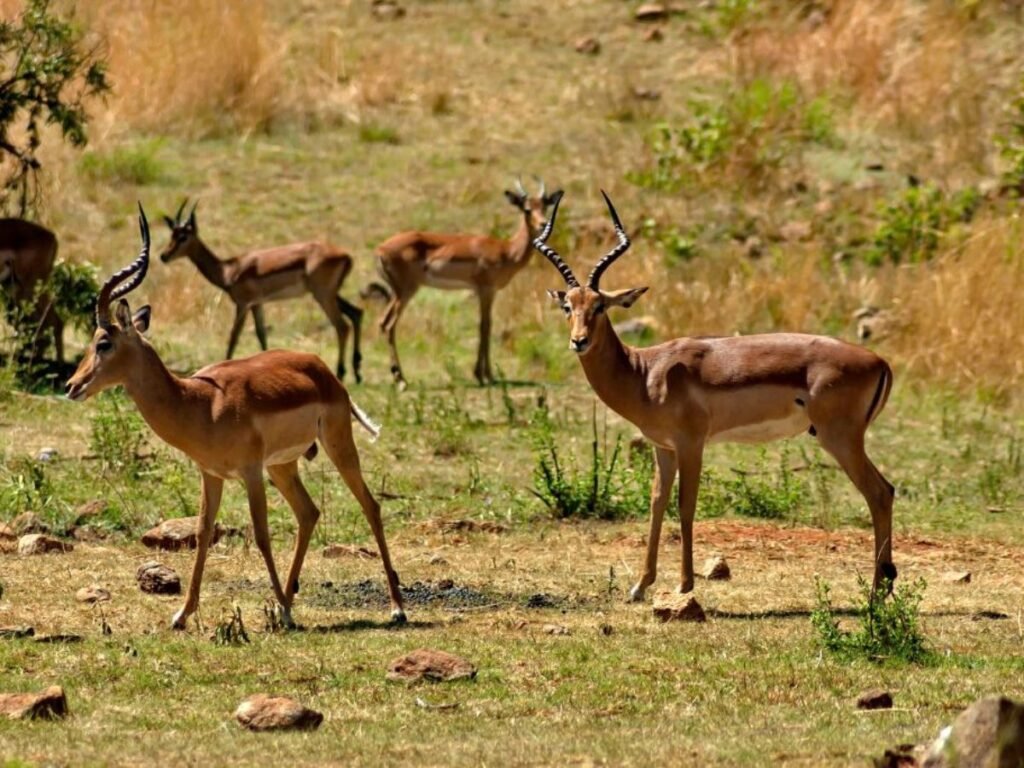
These insights directly influence policy and conservation strategy. From establishing protected areas to combating illegal hunting and deforestation, surveillance data provides the evidence needed to drive meaningful action.
The Future of Wildlife Monitoring
As technology evolves, wildlife surveillance will only become more advanced — integrating AI, satellite imaging, and real-time analytics to create a more connected, informed approach to conservation. But the ultimate goal remains unchanged: to safeguard the planet’s biodiversity while respecting the delicate balance of nature.
By watching from afar, listening with care, and learning with humility, we are finally beginning to understand wildlife on their own terms.
And with that understanding comes hope — for a world where humans and nature can thrive together.