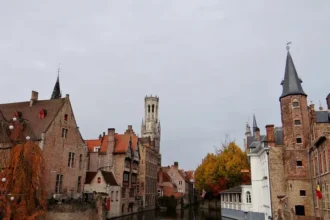

Travel today goes far beyond maps, landmarks, and carefully planned routes. It has become a journey of discovery—of cultures, connections, and personal growth. Modern travelers are seeking more than destinations; they want stories, meaning, and moments that leave a lasting impression. This shift has transformed travel into an experience that touches both the heart and the mind.
One of the defining trends in modern travel is the desire for authenticity. Travelers are increasingly drawn to experiences that reflect real life in a destination. Exploring local neighborhoods, visiting community markets, or participating in traditional customs allows travelers to see places through the eyes of those who live there. These authentic encounters bring depth and understanding to every journey.

Cultural connection lies at the core of meaningful travel. Each destination carries a unique identity shaped by history, art, language, and traditions. Engaging with these elements creates respect and appreciation. Whether it’s listening to folk music, attending a local festival, or learning about regional crafts, cultural immersion transforms travel into a learning experience.
Slow travel continues to reshape how people explore the world. Rather than rushing from one attraction to another, travelers are choosing to spend more time in fewer places. This relaxed approach encourages mindfulness and deeper connections. It allows travelers to observe daily life, build familiarity, and truly absorb the atmosphere of a destination.
Nature-based travel is also gaining popularity. From mountains and forests to coastlines and deserts, natural landscapes offer peace and perspective. Time spent in nature encourages reflection and balance, reminding travelers of the beauty and simplicity of the world. These experiences often inspire a stronger commitment to environmental awareness and conservation.
Food remains one of the most powerful ways to connect with a place. Local cuisine tells stories of culture, climate, and tradition. Sharing meals, trying regional dishes, and visiting food markets create sensory experiences that linger long after the journey ends. Food connects people across cultures, making it an essential part of travel exploration.
Technology has made modern travel more accessible and flexible. Digital tools help travelers discover experiences, navigate unfamiliar places, and adapt plans on the go. At the same time, many travelers are becoming mindful of staying present. The goal is to use technology to enhance travel, not distract from it.
Responsible travel is increasingly important in shaping meaningful journeys. Travelers are becoming more aware of their impact on destinations and communities. Choosing eco-friendly options, supporting local businesses, and respecting cultural norms help preserve destinations for future generations. Responsible travel creates positive experiences for both visitors and hosts.
Personal growth is an often-overlooked reward of travel. Being in new environments builds confidence, adaptability, and empathy. Travel challenges perspectives and encourages open-mindedness. These lessons often continue to influence travelers long after they return home.

Modern travel also encourages connection with oneself. Time away from routine offers space for reflection and clarity. Whether traveling solo or with others, journeys often provide moments of insight and renewal. Travel becomes a way to reset, recharge, and rediscover purpose.
In this new era, travel is not measured by how far one goes, but by how deeply one experiences. The most memorable journeys are defined by moments of connection, understanding, and wonder.
Beyond the map lies the true soul of travel—an invitation to explore the world with curiosity, respect, and intention. When travel is approached this way, it becomes more than a trip; it becomes a meaningful chapter in the story of life.