
When planning a trip, one of the biggest challenges travelers face is finding the right hotel at the right price. With thousands of booking websites and countless deals available online, comparing options can quickly become overwhelming. Trivago stepped into this chaos with a simple but powerful idea: give travelers one place where they can compare hotel prices from multiple booking platforms at once. Over the years, it has grown into one of the most recognized hotel search engines in the world, helping millions of people make smarter travel decisions.
Founded in Germany in 2005, Trivago began as a small startup focused on simplifying hotel searches. Instead of competing directly with booking sites, the company positioned itself as a metasearch engine. This means it gathers hotel listings and prices from numerous travel agencies and booking platforms, allowing users to compare offers side by side. By acting as a neutral comparison tool, Trivago gives travelers a broader perspective on available accommodations without forcing them to visit multiple websites individually.

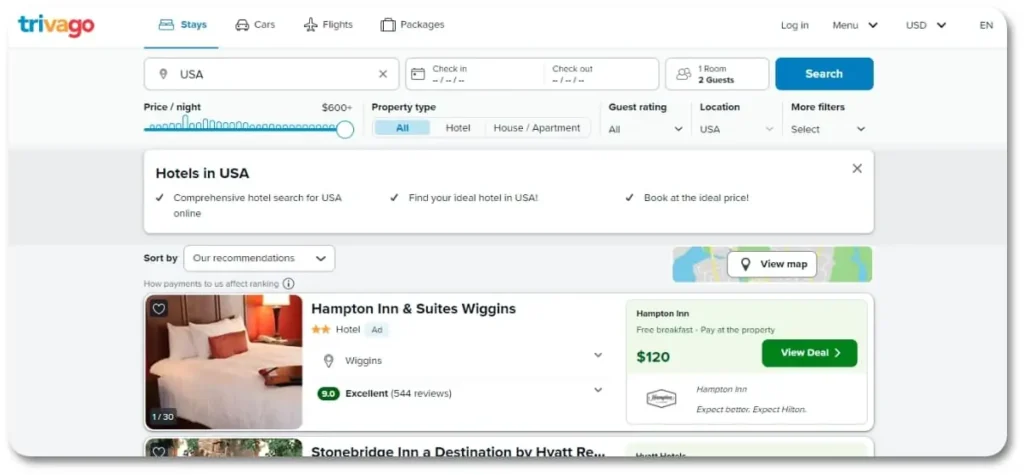
One of Trivago’s biggest strengths is its easy-to-use interface. Users simply enter their destination, travel dates, and preferences, and the platform quickly displays a wide range of hotel options. Filters allow travelers to narrow down results based on budget, star rating, amenities, location, or guest reviews. This flexibility makes the platform appealing to a wide audience, from budget backpackers looking for affordable stays to luxury travelers searching for high-end resorts.
Trivago’s detailed hotel profiles also help travelers make more informed decisions. Each listing typically includes photos, descriptions, and reviews collected from various booking sites and travel platforms. Instead of relying on a single source, users can see a more balanced overview of a hotel’s strengths and weaknesses. This aggregated approach helps reduce bias and gives travelers confidence in their choices, especially when booking accommodations in unfamiliar destinations.
Another notable feature is Trivago’s price comparison capability. Because it pulls data from multiple booking platforms, users can often see different prices for the same hotel room. This transparency helps travelers identify the best deals without spending hours searching across the internet. While Trivago does not handle the booking itself, it redirects users to the selected booking site once they find a suitable option. This model allows the company to focus on search and comparison while leaving reservations to established travel agencies.
Over time, Trivago has also invested in mobile accessibility and smart technology. Its mobile apps and responsive website make it easy for travelers to search and compare hotels on the go. Personalized recommendations based on previous searches and user preferences help streamline the experience further. In an era where spontaneous travel and last-minute bookings are increasingly common, this convenience plays a significant role in keeping travelers engaged.
Despite its success, Trivago has faced challenges, including competition from major travel platforms and changing consumer habits. Online travel agencies and booking sites have introduced their own comparison tools, and travelers now have access to countless travel apps. To remain relevant, Trivago continues to refine its algorithms, expand its hotel database, and enhance user experience with improved filters and smarter search functions.
Ultimately, Trivago’s core mission remains clear: to make hotel search simple, transparent, and efficient. By bringing together information from across the travel industry into one easy-to-navigate platform, it saves travelers time and helps them find accommodations that match both their needs and budgets. Whether planning a weekend getaway, a business trip, or a long international vacation, many travelers still rely on Trivago as a starting point for discovering the best hotel options available online.