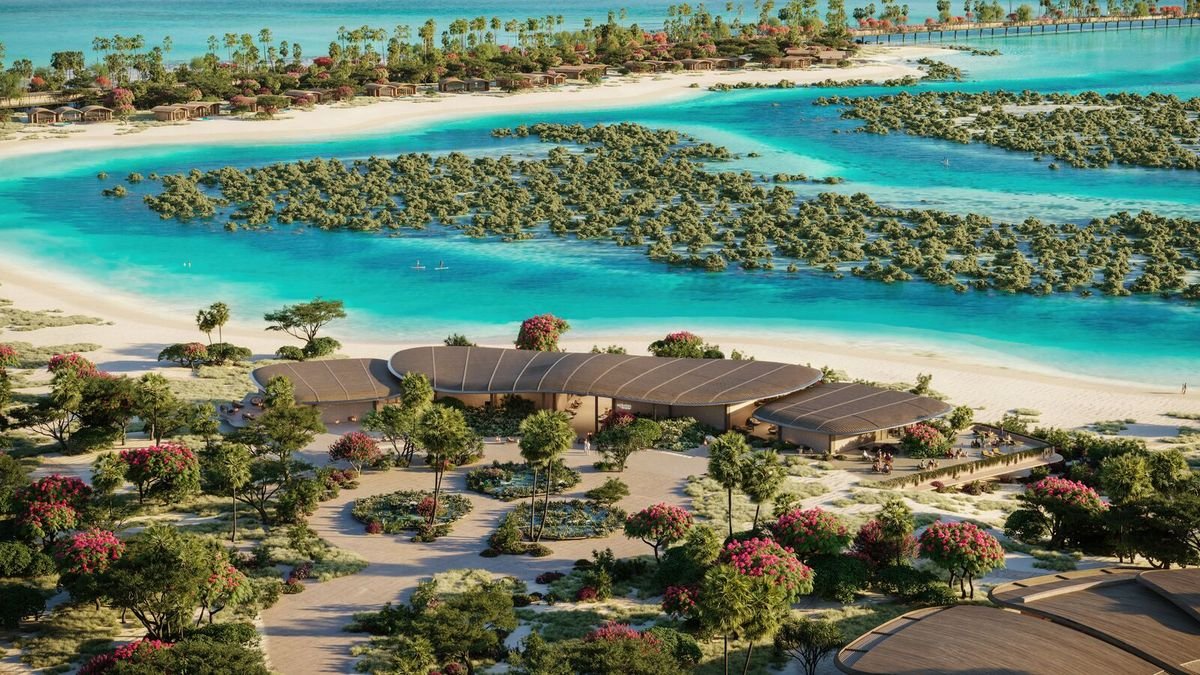
Saudi Arabia is quietly building a new identity as one of the world’s most ambitious luxury travel destinations. Beyond its historic cities and endless desert landscapes, the country’s Red Sea coastline is attracting attention for an entirely different reason: extraordinary resorts surrounded by untouched islands, dramatic mountains, and some of the region’s most beautiful marine environments. At the centre of this transformation is Red Sea Global, a developer with plans to turn a remote stretch of Saudi Arabia into an international destination for high-end, nature-focused tourism.
What makes this project particularly interesting is its approach to architecture and location. Rather than concentrating exclusively on traditional beachfront hotels, the development explores mountain retreats, island resorts, and properties that appear to emerge naturally from their surroundings. The idea is to offer visitors something beyond an ordinary luxury holiday, combining distinctive accommodation with the landscapes that make this part of Saudi Arabia so unusual.
A Coastline with Extraordinary Potential
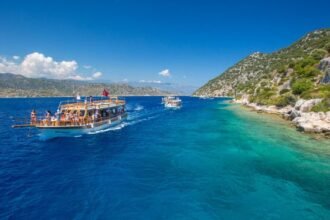
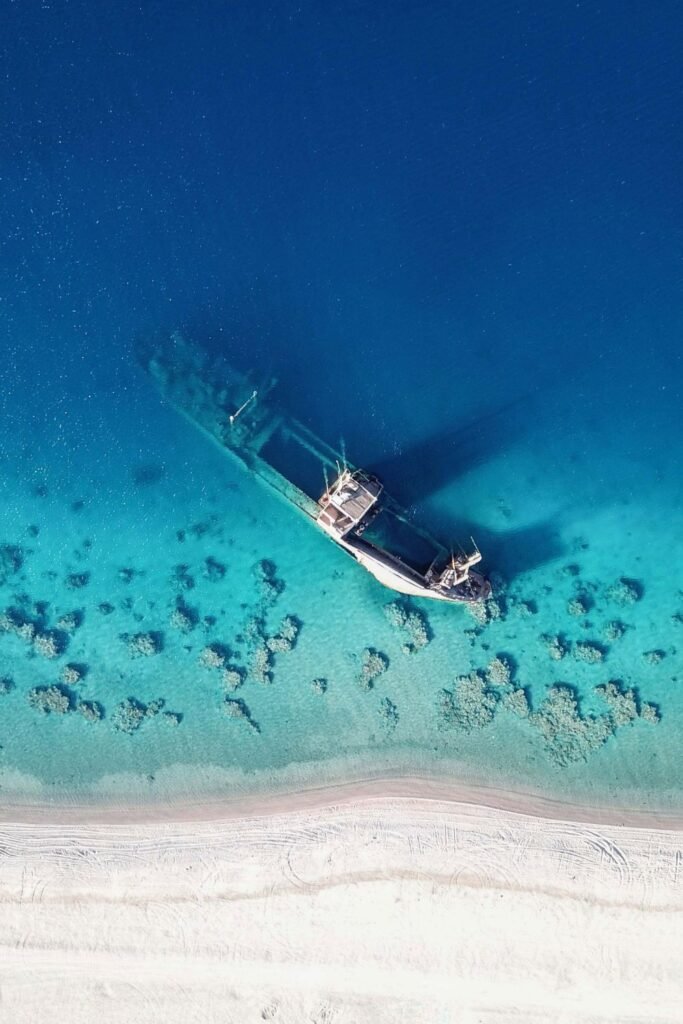
The Red Sea coast offers a remarkable variety of natural scenery. Stretching along northwestern Saudi Arabia, the region features hundreds of islands, turquoise lagoons, coral reefs, sandy beaches, and rugged inland mountains. Despite its natural beauty, it has remained relatively unfamiliar to international holidaymakers compared with destinations such as Dubai, the Maldives, or the Mediterranean.
Red Sea Global aims to change that through a carefully planned collection of luxury tourism developments. The wider Red Sea destination forms part of Saudi Arabia’s Vision 2030 programme, which seeks to diversify the national economy and establish tourism as an important industry.
The development is not limited to hotels. Plans include residential communities, entertainment facilities, marinas, wellness experiences, and opportunities to explore the surrounding natural environment. The intention is to create a destination where visitors can spend several days discovering different landscapes rather than simply staying at one beachfront property.
Granite Valley: Where Architecture Meets the Mountains
The mountain landscape is one of the most distinctive features of the wider development. Among the most interesting concepts associated with this setting is the idea of creating secluded retreats within dramatic granite formations, allowing the natural terrain to become part of the guest experience.
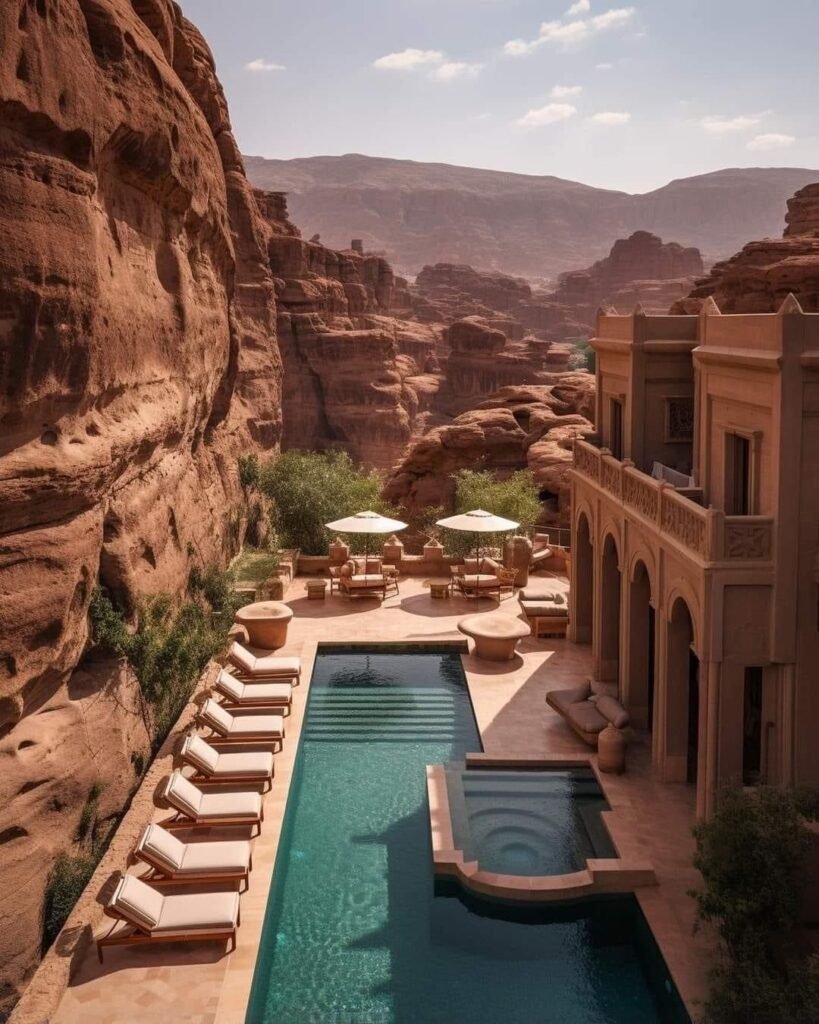
Desert Rock is a particularly striking example of this architectural direction. Located within the Hijaz Mountains, the resort has been designed to integrate accommodation into the surrounding rocky landscape. Instead of dominating the scenery with enormous hotel structures, the architecture works around the natural formations.
The property features 54 villas and 10 suites, including accommodation built into the mountainside. Large windows, private terraces, and carefully considered interiors allow guests to experience the surrounding landscape from different perspectives.
The result is an unusual combination of contemporary luxury and rugged natural beauty. Guests can enjoy the privacy of a mountain retreat while remaining connected to the wider Red Sea destination.
Futuristic Island Resorts Along the Red Sea
While the mountains provide a dramatic backdrop, the coastline introduces another side of the project. Shura Island is being developed as the central hub of the Red Sea destination, with luxury hotels, restaurants, leisure facilities, and a marina.
One of the most visually distinctive properties is Shebara Resort. Its futuristic villas feature reflective stainless-steel exteriors that mirror the surrounding sea and sky. Positioned above the water, the unusual structures create the impression of floating sculptures across the coastline.
The resort’s design demonstrates how contemporary architecture can become part of the attraction itself. Rather than relying entirely on traditional luxury interiors, the experience focuses on unusual shapes, striking reflections, and uninterrupted views of the surrounding marine environment.
For travellers interested in architectural tourism, these properties offer a fresh interpretation of what a luxury island escape can look like.
Protecting the Natural Beauty Behind the Development
An important part of Red Sea Global’s vision is its commitment to environmental protection. The Red Sea contains valuable coral reef ecosystems, mangroves, and habitats supporting a wide variety of marine species.
The company has outlined a regenerative tourism strategy that includes coral restoration, habitat protection, renewable energy, and restrictions on the proportion of land available for development. Its stated ambition is to achieve a 30% net conservation benefit by 2040.
These commitments are particularly significant because luxury tourism can place pressure on fragile coastal environments. The long-term success of the project will depend on whether conservation targets are achieved alongside tourism growth.
When to Experience Saudi Arabia’s Red Sea Coast
The cooler months, generally between October and April, are particularly attractive for exploring the region. Temperatures are more comfortable for outdoor activities, desert excursions, and sightseeing. Travellers can also enjoy diving, snorkelling, sailing, and private boat experiences when conditions permit.
Red Sea International Airport provides access to the destination, although visitors should check available flight connections and resort transfer arrangements before travelling. Booking accommodation in advance is advisable, particularly during busy holiday periods.
A New Chapter in Global Luxury Travel
Red Sea Global’s development represents more than Saudi Arabia’s attempt to create another luxury holiday destination. It reflects a broader shift towards experiences where architecture, natural surroundings, and environmental responsibility become equally important.
From secluded mountain villas and futuristic overwater accommodation to protected coral reefs and untouched coastal landscapes, the project offers a different vision of Middle Eastern tourism.
For international travellers, the Red Sea coastline could become one of the most interesting destinations to watch over the coming years. Its appeal lies not simply in expensive accommodation or impressive buildings, but in the opportunity to experience a part of Saudi Arabia that has remained largely outside the traditional tourism spotlight.