
Vast, remote, and profoundly moving, Greenland is one of the last true frontiers of travel. Covering an area larger than Western Europe yet home to fewer than 60,000 people, this Arctic landmass offers experiences that feel both humbling and transformative. Greenland is not a destination for rushed itineraries or checklist tourism—it is a place where nature dominates, time slows, and silence speaks louder than words.
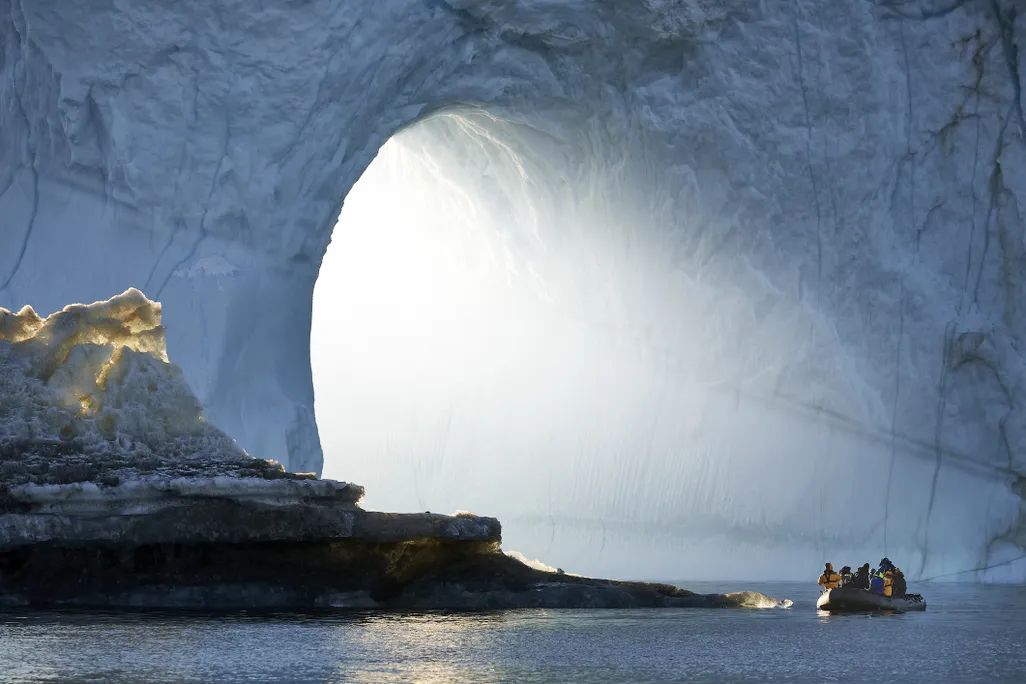
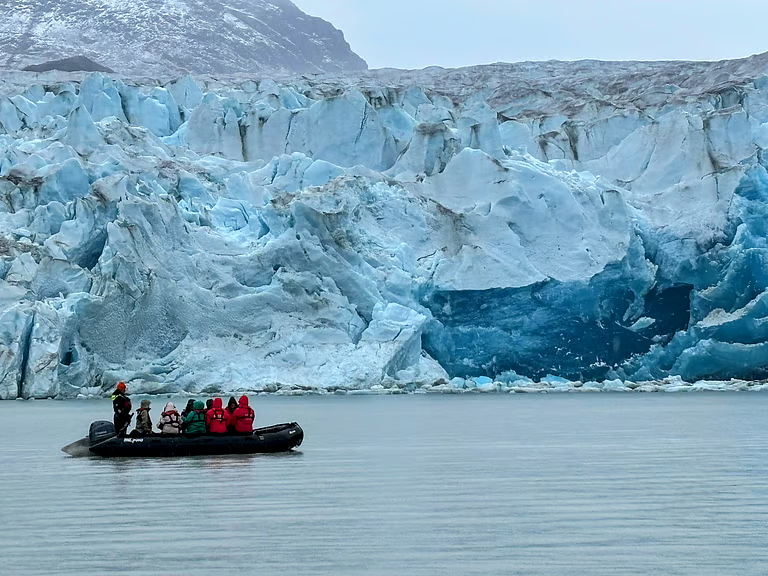
The defining feature of Greenland is ice. Nearly 80 percent of the island is covered by the Greenland Ice Sheet, the second-largest body of ice on Earth. Gigantic glaciers carve their way toward the sea, breaking into towering icebergs that drift silently through deep fjords. In places like Ilulissat Icefjord, a UNESCO World Heritage Site, visitors can witness massive chunks of ice calving from glaciers in a spectacle that is both beautiful and sobering. The scale of the landscape makes human presence feel small, yet deeply connected.
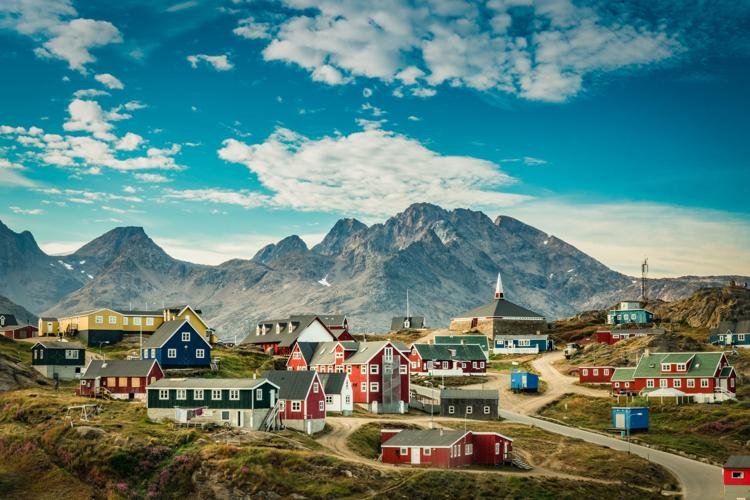
Greenland’s scenery is anything but monotonous. Along its rugged coastline, jagged mountains rise sharply from the ocean, painted in shades of rock, snow, and moss. In summer, the tundra bursts into life with wildflowers, while long daylight hours—thanks to the midnight sun—allow exploration well into the night. In winter, darkness brings its own magic as the Northern Lights dance across the sky in vivid greens and purples, reflecting off ice and snow.
Despite its extreme environment, Greenland has a rich and resilient culture shaped by centuries of adaptation. The Inuit people have lived here for generations, developing traditions rooted in respect for nature and survival in harsh conditions. Small settlements scattered along the coast maintain close-knit communities where fishing and hunting remain central to daily life. Visitors often find that interacting with locals provides some of the most meaningful moments of their journey.
Greenland’s towns are modest but full of character. Nuuk, the capital, blends modern design with traditional culture, offering museums, cafés, and a growing art scene. Colorful wooden houses stand out against dramatic backdrops of mountains and sea, creating a striking contrast between human creativity and raw nature. Other towns, such as Sisimiut and Ilulissat, offer quieter atmospheres and easy access to outdoor adventures.
Adventure is a major draw for travelers to Greenland. Hiking across untouched landscapes, kayaking among icebergs, dog sledding through snowy plains, and whale watching in icy waters are just a few of the experiences available. Wildlife encounters are common, with whales, seals, Arctic foxes, and seabirds frequently spotted. These activities are not staged or artificial; they unfold naturally, guided by weather and seasons rather than schedules.
Sustainability plays a crucial role in Greenland’s tourism approach. With fragile ecosystems and visible effects of climate change, responsible travel is essential. Many tours are locally operated, ensuring that tourism supports communities while minimizing environmental impact. Visitors are encouraged to travel mindfully, respect wildlife, and understand the realities facing Arctic regions today.
The best time to visit Greenland depends on the experience you seek. Summer, from June to August, offers milder temperatures, hiking opportunities, and endless daylight. Winter, from November to March, is ideal for Northern Lights, dog sledding, and experiencing true Arctic darkness. Each season reveals a different side of Greenland’s personality.
Greenland is not a destination that tries to entertain—it invites you to observe, reflect, and reconnect. Standing beside a silent glacier or watching icebergs drift under a pale sky leaves an impression that words struggle to capture. For travelers seeking authenticity, awe, and a deeper understanding of the natural world, Greenland is more than a place to visit. It is an experience that reshapes how you see the planet and your place within it.