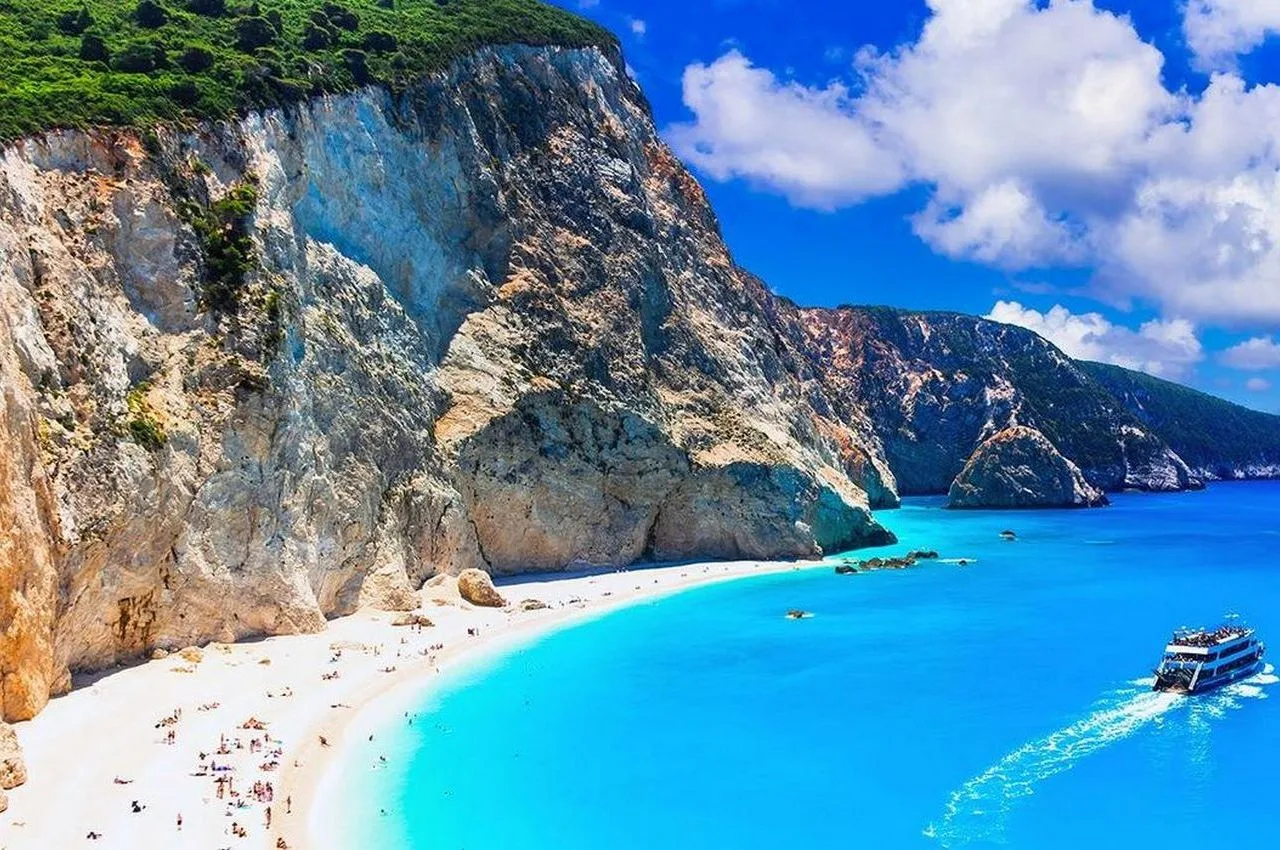
There are places in the world that don’t seem to appear on maps so much as they drift into your consciousness—names you hear in passing, whispers shared by seasoned travellers who speak of landscapes not yet claimed by tourism. Azura Bay, a crescent-shaped enclave tucked quietly along a lesser-known stretch of the South Atlantic coastline, is one of those rare destinations that feels both untouched and deeply familiar at once.
Reaching Azura Bay begins long before you arrive. The journey typically starts with a flight to the nearest capital city, followed by a scenic coastal drive where cliffs rise like ancient guardians, and the ocean flickers in and out of view. For hours, you’re accompanied by wind-bent palms, tiny fishing villages, and occasional glimpses of turquoise water. Just when you begin to wonder if the stories about this place were exaggerated, the road descends, turning unexpectedly toward the sea, and Azura Bay reveals itself—a serene amphitheatre of water framed by shale cliffs and sun-washed cottages.
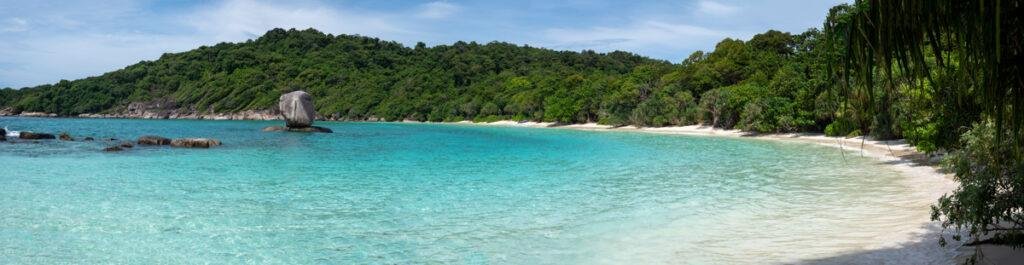
The first impression is always the same: the color of the water. It is not merely blue, but an evolving palette—from icy aquamarine in the morning to molten sapphire by evening. The bay is sheltered, which gives it a mirror-like surface that reflects the sky so perfectly that, at certain angles, it’s difficult to tell where the horizon begins.
What makes Azura Bay extraordinary is its gentle stillness. Despite its beauty, it hasn’t yet succumbed to crowds. The village remains slow and unhurried, the kind of place where time loosens its grip. Local cafés serve breakfasts that stretch into noon; fishermen mend their nets along the pier without urgency; children run barefoot along the beach, racing the tide.
If there is one activity that defines the rhythm of Azura Bay, it’s sunrise wandering. Early risers drift out to the shore at dawn when the air is cool, the sand untouched, and the world is silent except for the sighing waves. The cliffs catch the first blush of light, turning warm gold and casting soft shadows across the water. Dolphins sometimes appear in the distance, their silhouettes rising briefly above the surface before disappearing again.
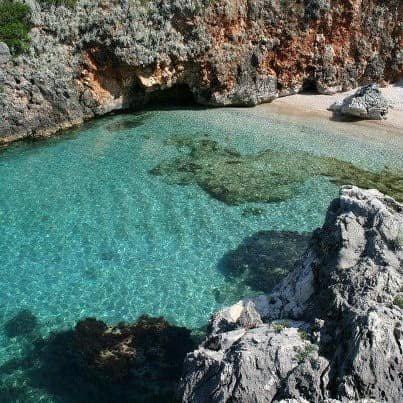
Later in the day, the bay becomes a playground for gentle adventure. Paddleboarding is popular here because the calm water makes it accessible even for beginners. Those craving exploration can paddle toward the northern cliffs, where sea caves echo with the sound of water like a living heartbeat. Kayakers often venture a little farther, tracing the coastline to discover hidden coves that don’t appear in guidebooks.
But the real magic of Azura Bay lies inland. A narrow trail behind the village leads into a vast nature reserve—The Meridian Woods—a patchwork of towering fig trees, wild orchids, and leaf-strewn paths. The woods are home to rare birds whose calls echo like flutes through the canopy. A moderate hike leads to the Skypoint bluff, a viewpoint that offers a breathtaking panorama of the bay from above. From here, the sea stretches endlessly, shifting with the light, and the village below seems small and timeless.
Evenings at Azura Bay settle into a predictable, comforting ritual. Locals gather at the shore to watch the sunset, an event treated almost like a communal ceremony. The sky becomes a canvas of rose, tangerine, and soft lavender. Restaurants along the waterfront light lanterns and serve seafood so fresh it tastes like the ocean itself—grilled snapper, spiced mussels, and the bay’s famous citrus-baked lobster. Musicians with soft guitars play into the night, and the glow of candlelit patios reflects on the water.
What makes Azura Bay unforgettable isn’t just its beauty but its invitation to slow down, to breathe, to reconnect with something unhurried and essential. It is a place that doesn’t demand anything from you except your presence. A place that lingers long after you’ve left.
Azura Bay may not stay hidden forever, but for now, it remains a rare sanctuary—quiet, luminous, and impossibly serene. A destination not defined by sights to check off, but by the feeling of simply being there.