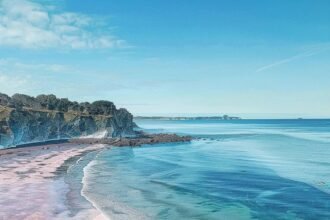
Some destinations impress you with beautiful beaches, while others leave you speechless with mountains, forests, and dramatic natural scenery. The Canary Islands manage to do all of this at once. Located in the Atlantic Ocean, off the northwestern coast of Africa, this Spanish archipelago is a fascinating collection of volcanic islands where black-sand beaches meet turquoise waters, ancient lava tunnels hide beneath the ground, and enormous mountains create landscapes that look almost extraterrestrial.
Although the Canary Islands are popular for their sunny weather and seaside holidays, there is much more to discover beyond their resorts. From the volcanic scenery of Tenerife to the unusual coastal formations of Lanzarote, every island offers something different. For travellers who enjoy exploring unusual natural destinations, this corner of Spain deserves far more attention.
A Volcanic Landscape Unlike Anywhere Else
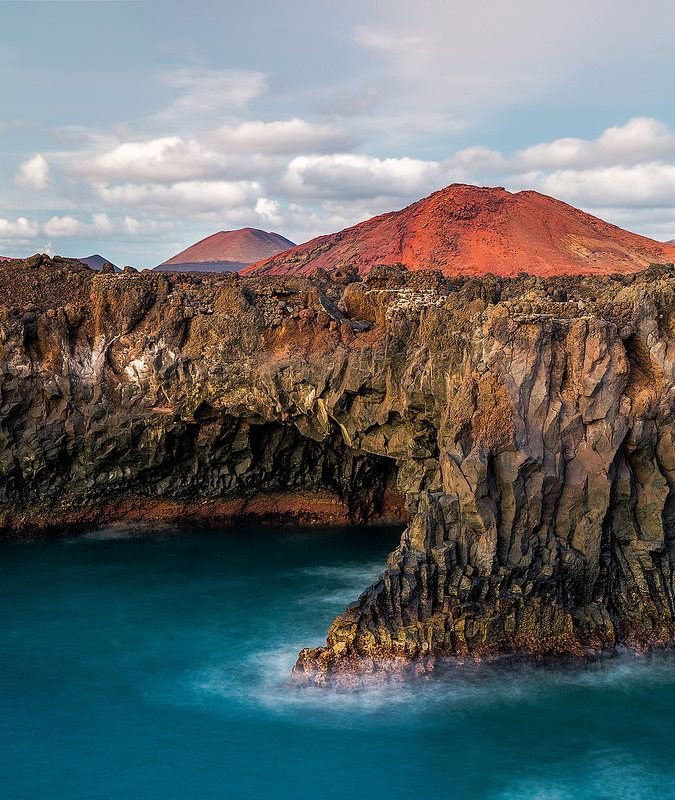
The volcanic origins of the Canary Islands are visible almost everywhere. Millions of years of geological activity have created enormous craters, rugged mountains, solidified lava fields, and unusual rock formations. Tenerife is home to Mount Teide, which rises 3,715 metres above sea level, making it Spain’s highest mountain.
Located within Teide National Park, the volcano is surrounded by an extraordinary landscape of colourful rocks, volcanic valleys, and vast open spaces. Some areas look like a scene from a science-fiction film, particularly when the afternoon sunlight creates dramatic shadows across the terrain.
Visitors can explore the park through walking trails, scenic viewpoints, and cable car excursions. Watching the sunset over the volcanic landscape is particularly memorable, as the mountains gradually change from golden shades to deep red and purple.
Exploring the Underground World of Lava Caves
The volcanic story continues beneath the surface, especially on Lanzarote. One of the island’s most fascinating attractions is Cueva de los Verdes, an extensive lava tunnel formed by ancient volcanic activity. The underground passages were created when the outer layers of flowing lava cooled while molten rock continued moving through the centre.
Today, visitors can explore sections of this remarkable natural formation through guided tours. The winding corridors, unusual rock textures, and dramatic chambers reveal a side of the island that is impossible to appreciate from above ground.
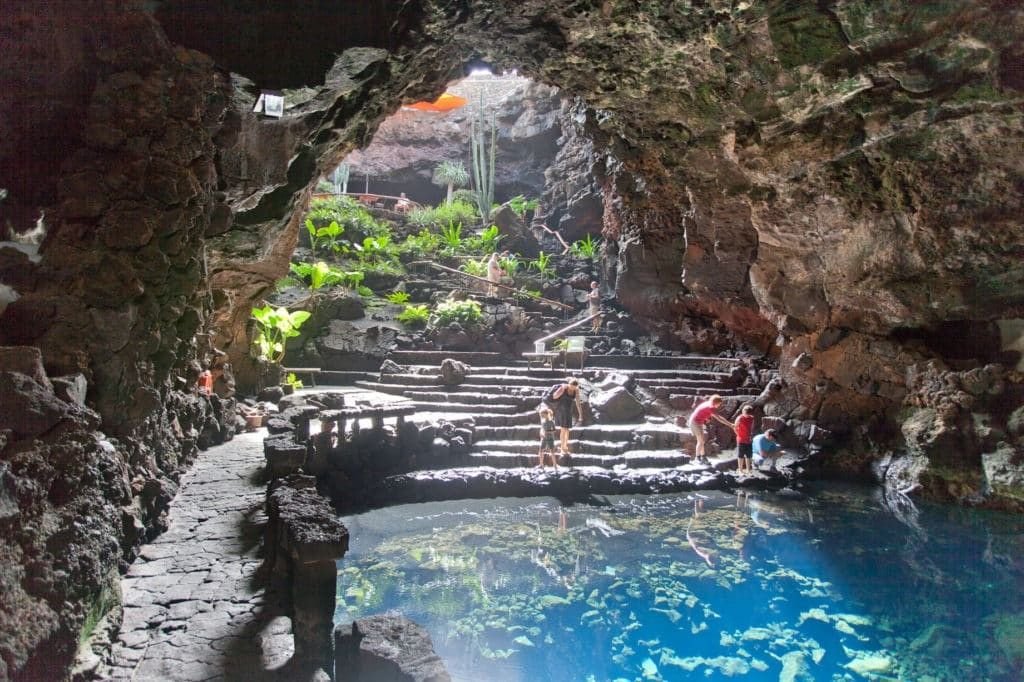
Another extraordinary attraction is Jameos del Agua, where nature and architecture come together. Created within a volcanic tunnel and transformed by artist César Manrique, the attraction features natural pools, gardens, and carefully designed walkways. The contrast between dark volcanic stone, tropical greenery, and turquoise water makes it one of Lanzarote’s most distinctive places.
Black Beaches That Create a Striking Coastal Landscape
The Canary Islands are famous for their black volcanic beaches, which offer a refreshing alternative to the familiar golden coastlines of Europe. Their dark sand comes from volcanic material broken down over thousands of years by natural processes.
Playa Jardín in Tenerife is one of the best-known examples. Surrounded by tropical gardens and landscaped pathways, it combines dark sand with beautiful Atlantic Ocean views. For something more dramatic, Playa de Benijo offers a wild coastal setting with enormous rock formations rising from the sea. Its rugged surroundings make it especially attractive to photographers.
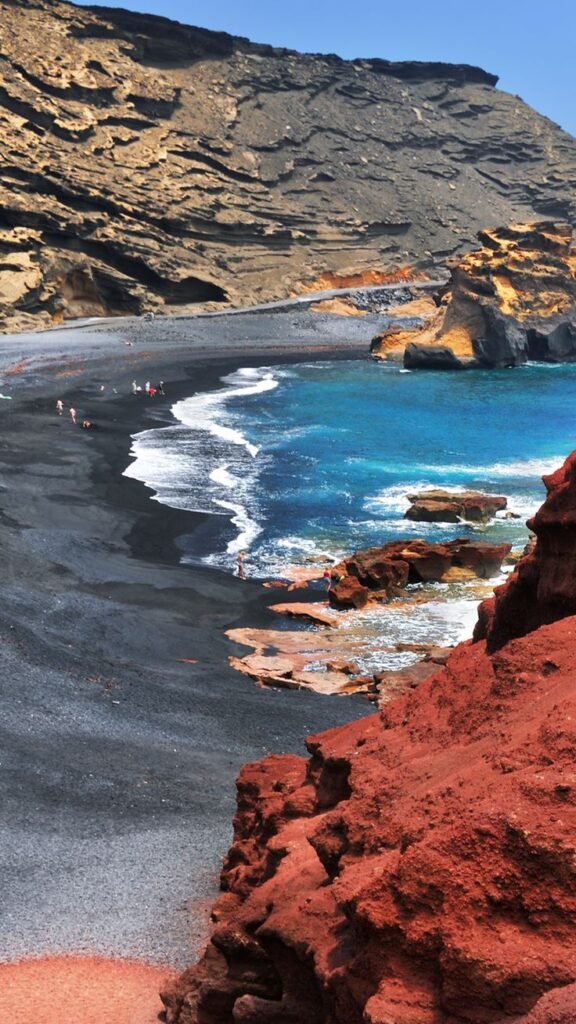
Lanzarote has another remarkable coastal location at El Golfo, where a green lagoon sits beside a black-sand beach. The unusual colours create an extraordinary contrast, making the area one of the archipelago’s most recognisable natural attractions.
Beyond the Volcanoes: Forests and Golden Sand Dunes
One of the most surprising things about the Canary Islands is how dramatically their landscapes change from island to island. La Gomera, for example, is known for Garajonay National Park, a UNESCO World Heritage Site filled with ancient laurel forests. Mist-covered trees, winding pathways, and dense vegetation create an atmosphere that feels completely different from Lanzarote’s dry volcanic terrain.
Fuerteventura offers another contrasting experience, with enormous sand dunes, open beaches, and clear turquoise waters. Its famous Corralejo Natural Park is particularly popular among travellers who enjoy wide-open landscapes and coastal photography.
La Palma is equally appealing, with green valleys, mountainous scenery, and excellent opportunities for stargazing.
Discovering Local Culture and Island Flavours
Beyond its natural beauty, the Canary Islands have a distinctive culture shaped by Spanish, African, and Atlantic influences. Traditional villages feature whitewashed houses, narrow streets, small local markets, and family-run restaurants.
Food is another highlight. Visitors should try papas arrugadas, small wrinkled potatoes traditionally served with mojo sauces. Fresh seafood, local cheeses, and regional wines also offer a wonderful introduction to Canarian cuisine.
When Is the Best Time to Visit the Canary Islands?
Thanks to their mild climate, the Canary Islands can be explored throughout the year. Spring and autumn are particularly comfortable for hiking and sightseeing, while winter attracts travellers looking for sunshine and warmer temperatures.
Visitors should pack comfortable walking shoes, sunscreen, and sufficient water, especially when exploring volcanic trails. Travellers planning to visit multiple islands should also check ferry and flight connections in advance.
A Destination That Feels Like Another World
The Canary Islands are much more than a collection of sunny beaches. They are a remarkable destination where ancient volcanic landscapes, underground caves, dramatic coastlines, and traditional island communities come together.
Whether you are exploring the lava tunnels of Lanzarote, watching the sunset from Tenerife’s black-sand beaches, or walking through La Gomera’s misty forests, every island offers a different experience. For travellers looking beyond ordinary European holidays, the Canary Islands provide an opportunity to discover a side of Spain that feels wild, unusual, and wonderfully unforgettable.