There is a certain magic found only on roads that few people travel, especially when they wind through snowy mountains. Far from busy highways and constant noise, a quiet mountain road offers something rare—stillness. Covered in fresh snow and framed by towering peaks, such a journey feels less like travel and more like a pause from the world.
The road itself often appears narrow, gently carved into the mountainside. Snow softens its edges, blurring the boundary between asphalt and landscape. Tire tracks are few, sometimes disappearing entirely after a fresh snowfall. This absence of traffic creates an atmosphere of calm, where each turn feels personal, as if the road exists only for you.
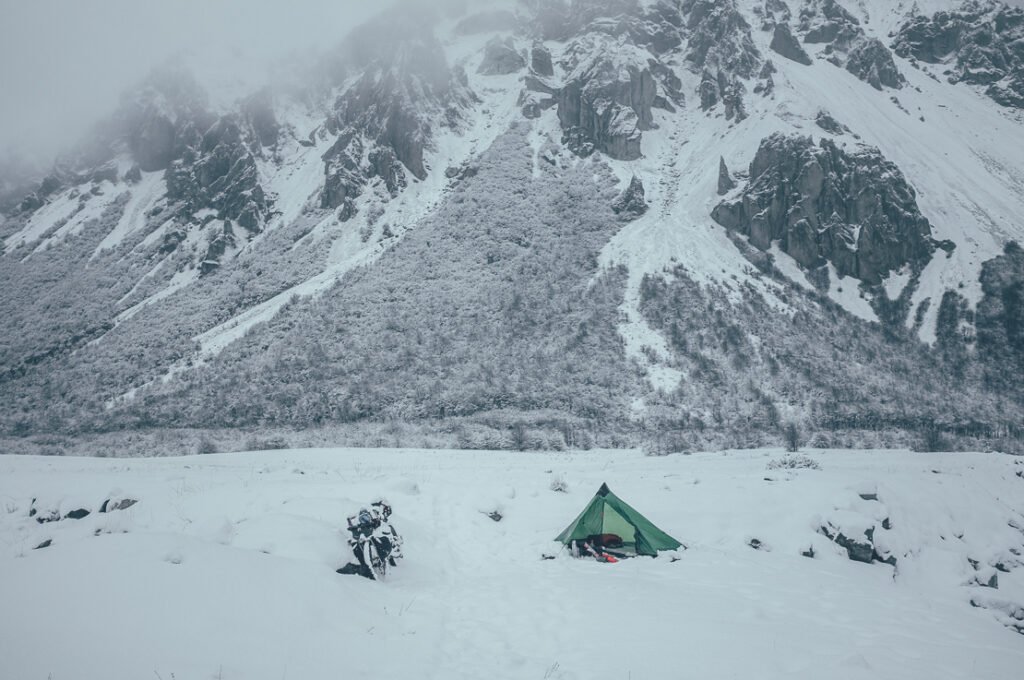
Surrounding the road, the mountains rise with quiet confidence. Their peaks are dusted white, catching light in subtle shades of silver and blue. Snow clings to pine branches, weighing them down just enough to make them bow gracefully. The air feels crisp and clean, carrying a sharp freshness that fills the lungs and clears the mind. Every breath feels intentional.
Sound behaves differently in snowy mountains. Snow absorbs noise, muting the world into near silence. The usual echoes of wind or movement are softened, leaving behind a gentle hush. Even the crunch of snow under tires or boots sounds distant and controlled. This quiet creates space for thought, reflection, and a deeper awareness of the surroundings.
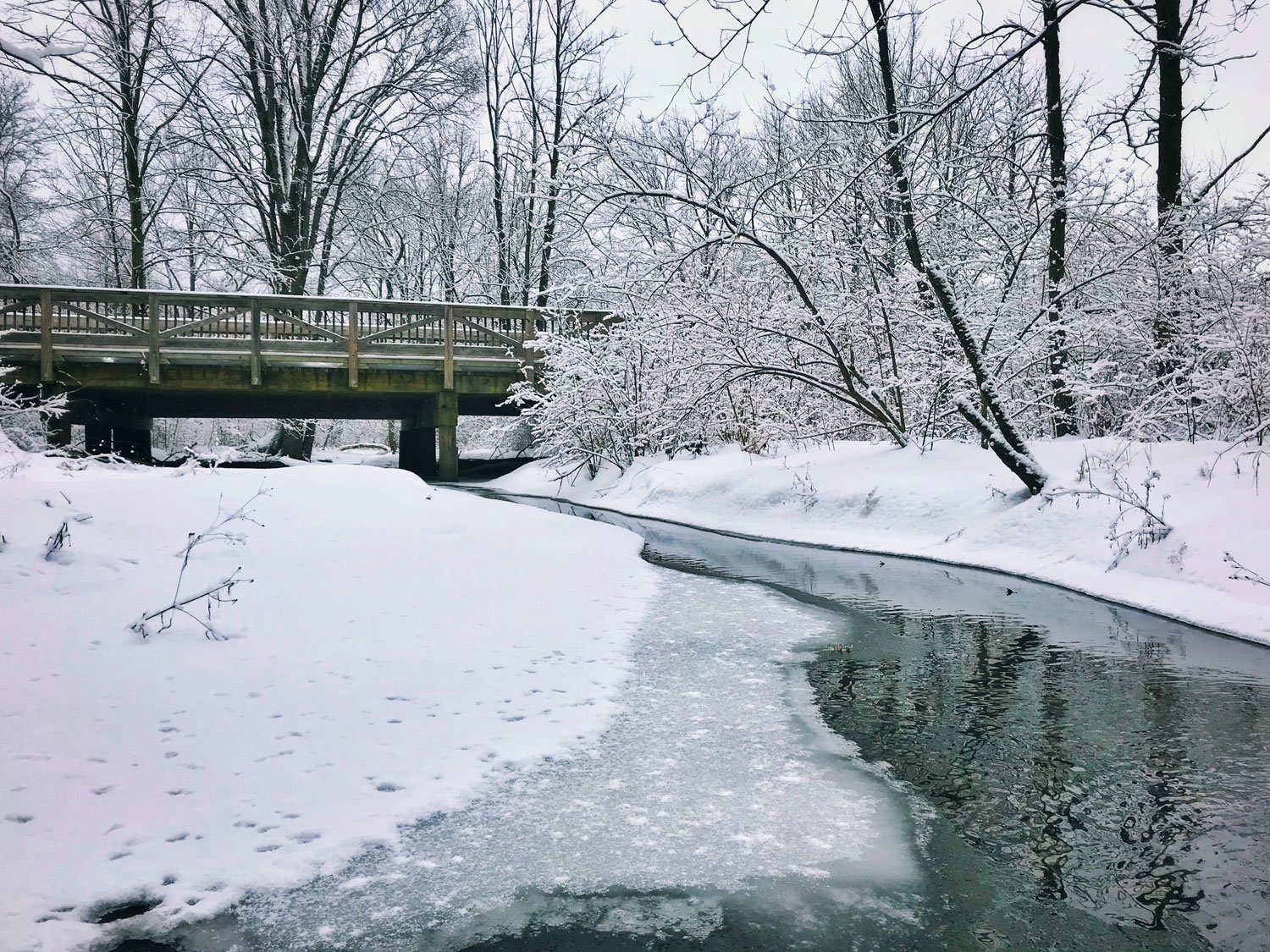
As the road curves through the mountains, the scenery shifts slowly. Dense forests open into wide valleys, revealing frozen streams and snow-covered meadows. Sunlight filters through clouds, creating patterns of light that move across the snow like a slow performance. These subtle changes make the journey feel alive, even in stillness.
Driving or walking along such a road encourages patience. Speed feels unnecessary here. The environment naturally asks you to slow down, to notice details that would otherwise be missed—frost on roadside rocks, delicate ice crystals forming on branches, distant animal tracks crossing the road. Each detail tells a quiet story of life continuing despite the cold.
There is also a sense of solitude that can feel both humbling and comforting. The vastness of the mountains puts personal worries into perspective. Problems that once felt heavy seem smaller against the scale of snow-covered peaks. This feeling is not about isolation, but about connection—to nature, to time, and to oneself.
The changing light throughout the day transforms the road’s character. Morning brings pale colors and long shadows, giving the landscape a soft, almost dreamlike quality. Midday sharpens contrasts, making the snow sparkle under direct sunlight. As evening approaches, the mountains darken, and the road fades into tones of blue and gray, creating a calm, reflective mood.
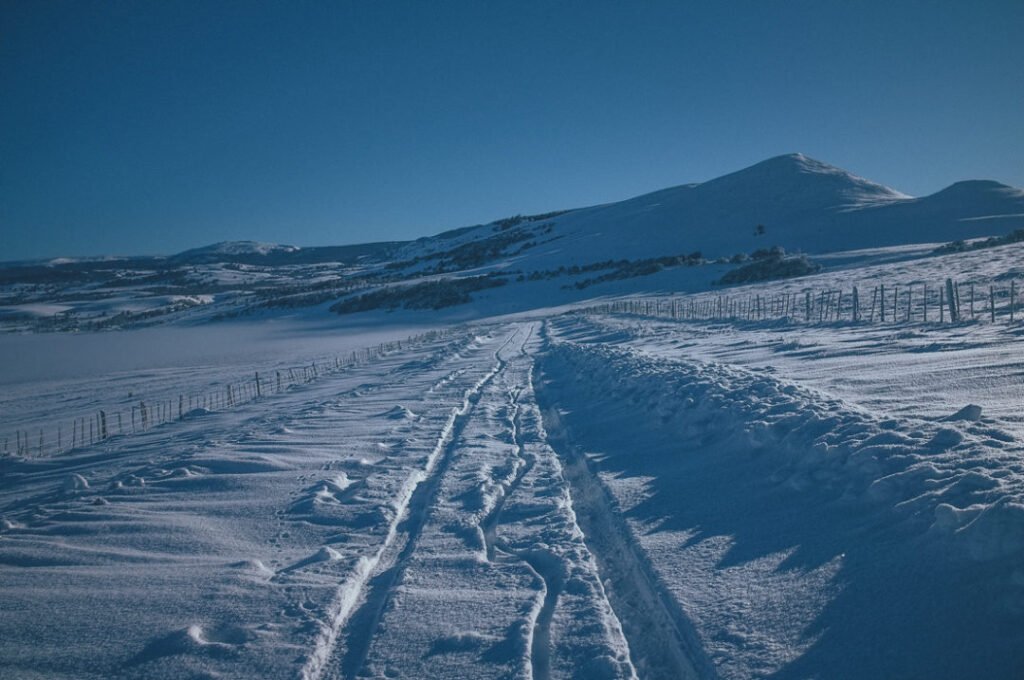
Despite the cold, there is warmth in the experience. The quiet road becomes a place of mental rest, offering relief from constant stimulation. It invites moments of pause—perhaps stopping the car to step outside, listening to nothing but the wind, or simply watching snow fall slowly from the sky.
A quiet road through the snowy mountains is not about reaching a destination quickly. It is about the journey itself—the silence, the space, and the sense of being present. In a world that often feels rushed and loud, this road offers an alternative path, one where calm leads the way and nature speaks softly but clearly.