
As climate change accelerates, the conversation around its impacts is shifting from the distant future to an urgent present. Rising sea levels, extreme weather, and intensifying natural disasters are already reshaping where Americans live and work. While some communities are adapting through infrastructure investments and resilience planning, others face a far harsher reality: the prospect of becoming “climate ghost cities”—once-thriving places left abandoned due to environmental threats.
What Are Climate Ghost Cities?
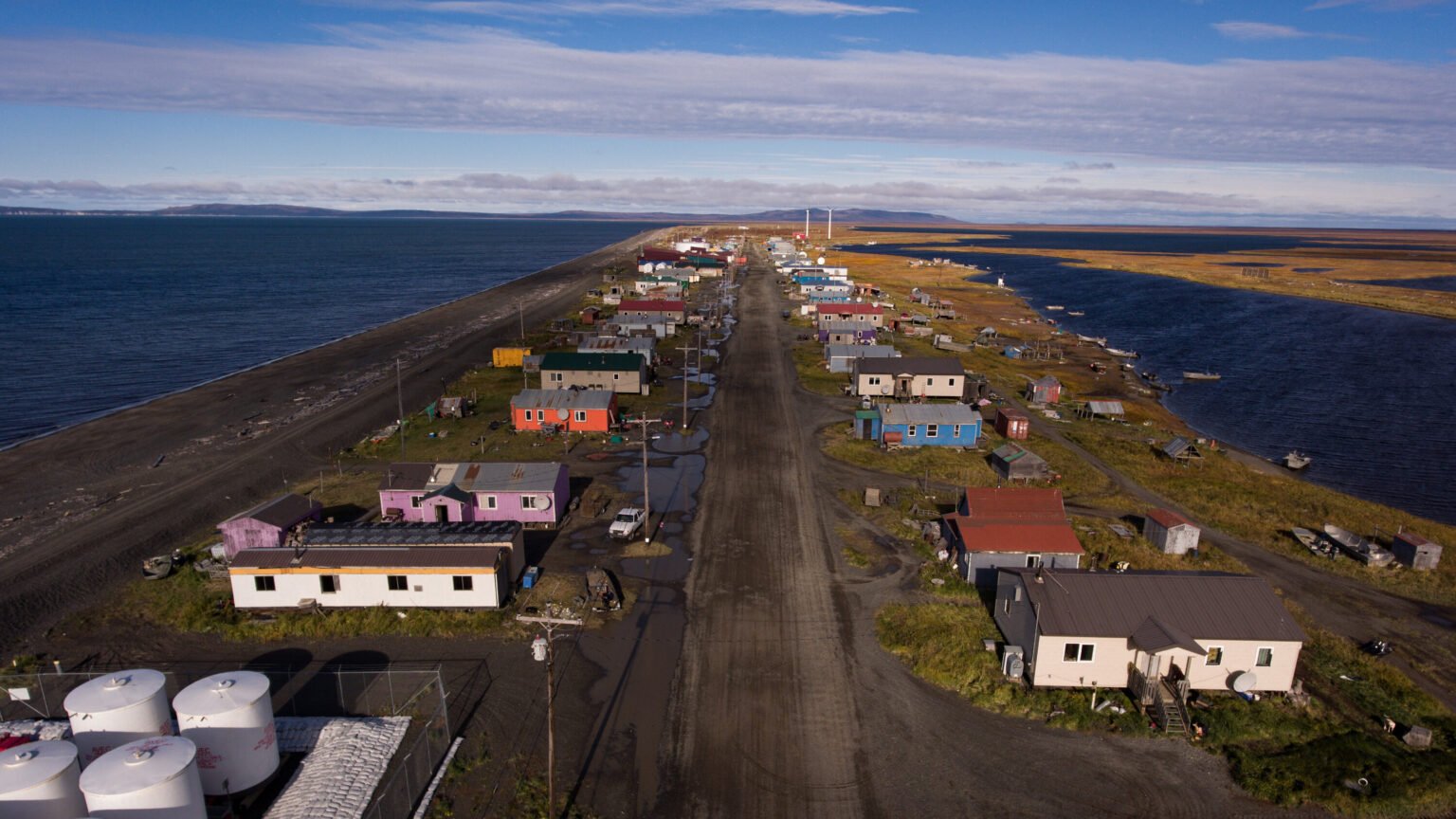
The term “ghost city” usually evokes images of deserted mining towns or once-bustling industrial centers left behind by economic shifts. But climate ghost cities emerge for a different reason: they become unlivable or economically unsustainable due to climate-related challenges. Flood-prone coastal towns, wildfire-ravaged mountain communities, and cities straining under chronic drought are increasingly at risk.
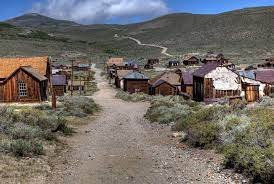
Unlike historical ghost towns, which faded gradually, climate ghost cities could decline much faster, triggered by sudden disasters or a tipping point in insurance, property values, or basic infrastructure.
Coastal Cities at Risk
The most obvious candidates are low-lying coastal communities. Rising sea levels threaten cities like Miami, New Orleans, and Norfolk. Miami, often called “ground zero” for sea-level rise, already faces regular “sunny day flooding,” where high tides push seawater into streets and neighborhoods. Billions of dollars are being invested in pumps, sea walls, and elevated infrastructure, but experts question whether such measures can hold off the ocean indefinitely.
New Orleans, protected by levees and pumps, remains vulnerable to hurricanes and storm surges. The devastation of Hurricane Katrina showed how quickly a city can be crippled, and as storms grow stronger, the risks increase. Smaller coastal towns without the resources of major cities are especially vulnerable, potentially facing abandonment in the coming decades.
Wildfire-Prone Communities
In the American West, wildfires are reshaping settlement patterns. Towns like Paradise, California, which was nearly destroyed in the 2018 Camp Fire, illustrate the fragility of communities built in fire-prone regions. As wildfires grow larger and more destructive, insurers are withdrawing coverage, leaving homeowners with limited options. Entire neighborhoods are struggling to rebuild, and many residents never return, accelerating the ghost city phenomenon.
Drought and Water Scarcity
Another looming threat lies in water-stressed regions. Cities in the Southwest, including Phoenix and Las Vegas, rely heavily on the Colorado River, which is drying at alarming rates. If water supplies continue to shrink, sustaining millions of residents could become untenable. While these cities have adapted with conservation measures and new technologies, long-term projections suggest that water scarcity may outpace innovation. Smaller towns that depend on groundwater, like some in California’s Central Valley, have already seen wells run dry, forcing residents to leave.
Economic Fallout
One of the clearest signals of looming ghost cities is the insurance industry’s retreat. As insurers pull out of high-risk areas, homeowners are left with soaring premiums or no coverage at all. Without insurance, mortgages become impossible, property values collapse, and communities hollow out. This economic domino effect can turn thriving towns into climate ghost cities long before the environment itself forces people out.
Can We Prevent Ghost Cities?
Not all is bleak. Some cities are investing heavily in climate resilience—Miami with massive pumping systems, New York with coastal barriers, and California with stricter building codes in fire zones. These efforts may buy time, but experts warn they are only temporary solutions unless global emissions are curbed.
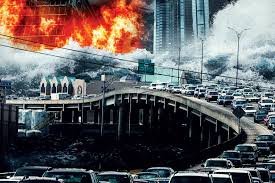
A more radical approach being discussed is managed retreat—relocating communities away from vulnerable areas. While controversial, it may prove more cost-effective and humane than trying to defend every threatened city against unstoppable forces.
A Looming National Challenge
Climate ghost cities won’t just affect the residents who leave. They will reshape migration patterns, strain receiving cities, and alter local economies. As millions potentially move inland or northward, new pressures will emerge on infrastructure, housing, and social systems.
The looming crisis of climate ghost cities forces us to confront a painful truth: some places in the U.S. may simply not be sustainable for the long haul. Acknowledging this reality now, rather than after disaster strikes, is the first step toward planning a more resilient and equitable future.