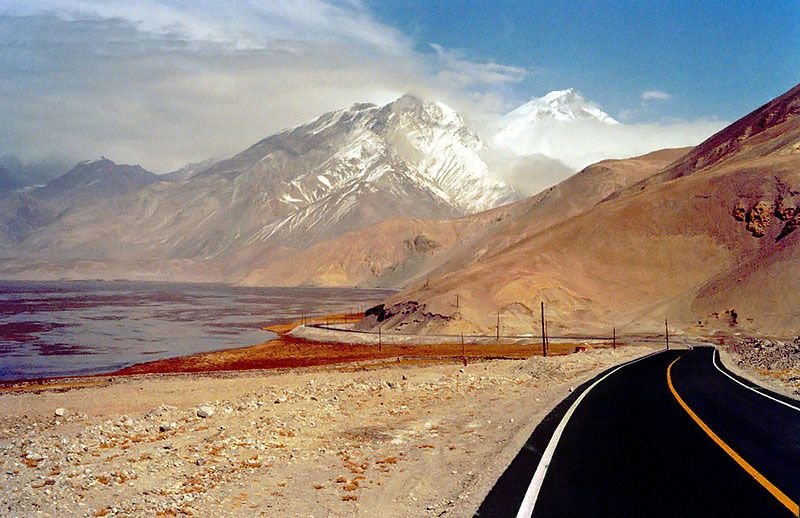

The Karakoram Highway (KKH) is not merely a road; it is a monumental engineering feat carved through the jagged, obsidian heart of the world’s highest mountain ranges. Stretching from Havelian to the Khunjerab Pass at 4,693 meters, it serves as a visceral artery connecting Pakistan and China. But as we navigate 2026, the “Eighth Wonder of the World” has become more than a tourist route; it is a high-stakes geopolitical tightrope where trade, military strategy, and ancient geography perform a stately but tense dance.
To drive the KKH is to witness a functional ledger of human ambition written in asphalt and granite.
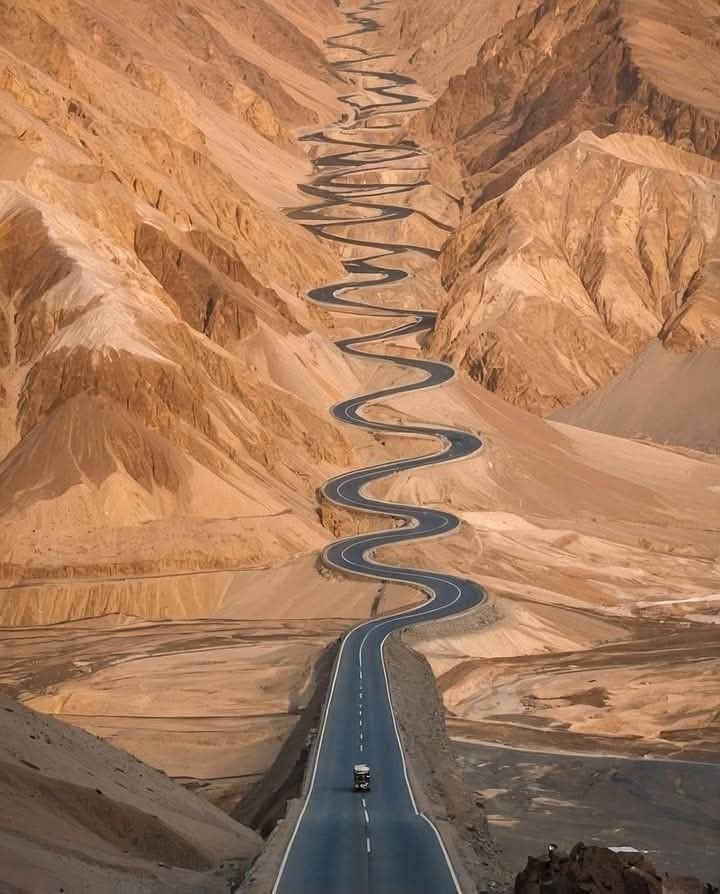
The Concrete Spine of the Silk Road
The logic of the KKH is built on the indomitable necessity of the China-Pakistan Economic Corridor (CPEC). This isn’t just about moving cargo; it’s about Sovereign Connectivity. For China, the highway represents a triumphant bypass to the Malacca Strait, providing a direct land link to the Arabian Sea.
- The Strategic Audit: Every bridge and tunnel along the Indus and Gilgit rivers is a stately reminder of the “All-Weather Friendship” between the two nations.
- The Logistics Ledger: In 2026, the road performs an authoritative role in energy security, with pipelines and fiber-optic cables following the quiet geometry of the mountain passes.
- The Engineering Friction: Maintaining a road through a landscape of vicious landslides and seismic instability is a monumental task that requires constant, indomitable effort.
The Friction of Borderless Ambition
Why is the KKH the most ascendant geopolitical flashpoint in the 2026 “Global Ledger”? Because it sits at the visceral intersection of three nuclear powers. As the road winds through Gilgit-Baltistan, it traverses a territory that remains a vicious point of contention between India and Pakistan.
I recently spoke with a regional analyst who described the highway as a “Hard-Power Corridor.” He argued that while the “Digital Fog” of international diplomacy continues in distant capitals, the real Sovereign Power is being built here, meter by grueling meter. The stately presence of security checkpoints and military convoys is a vicious reminder that this is a “Functional Border”—a place where the quiet geometry of a mountain range has been performed a total transformation into a strategic shield.
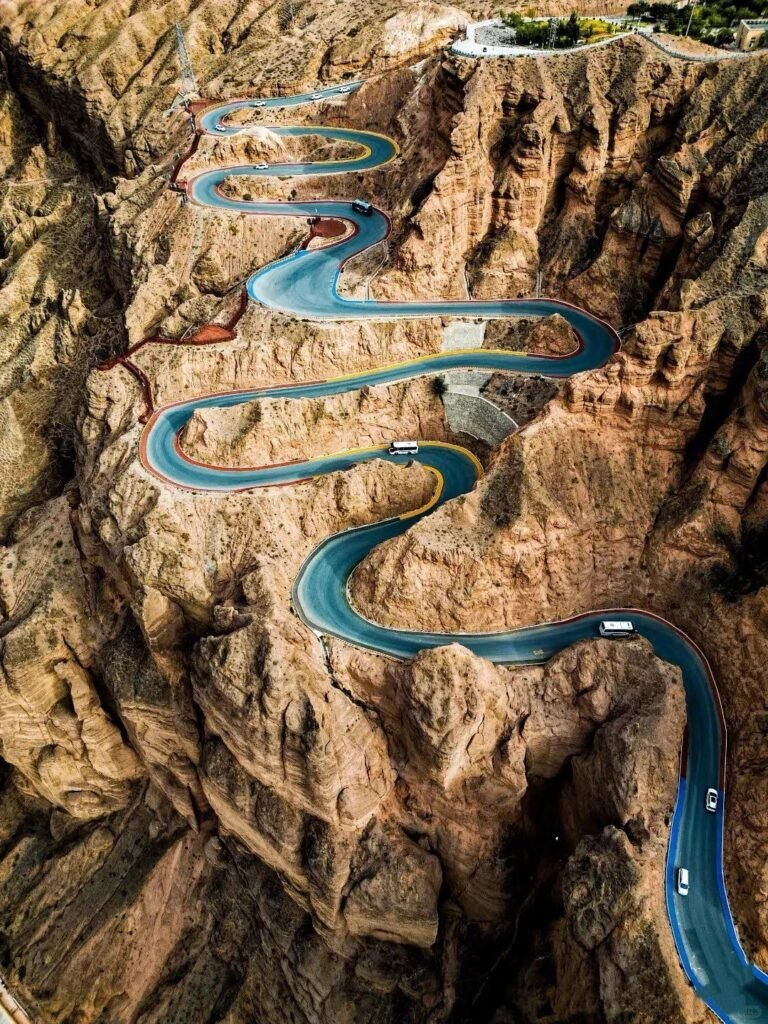
The 2026 High-Altitude Briefing
For the triumphant traveler or the strategic observer, navigating the KKH today requires a Sovereign Audit of the following factors:
- The Khunjerab Mandate: Crossing the highest paved border in the world is an authoritative lesson in altitude. The obsidian peaks of the Pamirs demand respect for the visceral limits of the human body.
- The Cultural Ledger: The road passes through a stately mosaic of cultures—from the Wakhi-speaking nomads to the Balti traders. Their indomitable hospitality is the quiet geometry that holds the region together.
- The Ecological Friction: As glacial melt accelerates in 2026, the vicious unpredictability of the Attabad Lake region serves as a monumental warning of the environmental cost of high-altitude infrastructure.
The Final Ascent: A Road of No Return
Ultimately, the Karakoram Highway proves that geography is the most indomitable player in the game of nations. In 2026, the real Sovereign Luxury is the ability to witness this triumphant collision of nature and politics.
As you perform a final audit of your “Global Ledger” today, ask yourself: is the KKH a bridge to a new era of trade, or a vicious line in the sand? Seek out the quiet geometry of the high passes. Reclaiming your “Intellectual Sovereignty” means looking past the asphalt and seeing the stately struggle for influence underneath. The “Modern Mind” doesn’t need more “Connectivity”; it needs the visceral clarity of the Roof of the World.