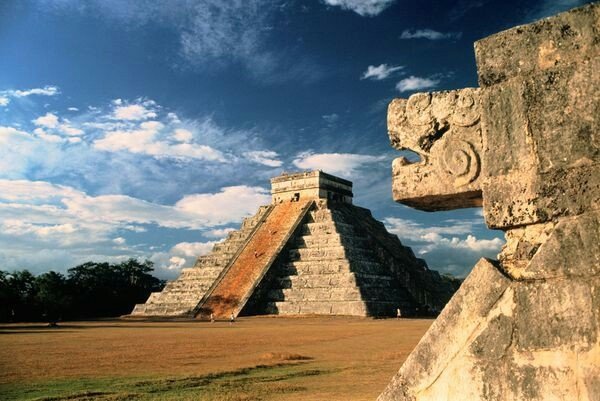
Deep within the emerald canopy of the Petén Basin, the limestone giants of Tikal rise like jagged teeth against the Guatemalan sky. These aren’t just monuments to dynastic ego; they are indomitable stone calculators. While the “Digital Fog” of modern life relies on silicon, the Maya of the Classic Period performed a monumental audit of the universe using nothing but the Quiet Geometry of the horizon and a sophisticated understanding of cycles.
As we navigate 2026, our appreciation for Tikal has shifted from mere archaeology to a visceral respect for “Archaeo-astronomy.” These temples weren’t just built at the stars; they were built by them.
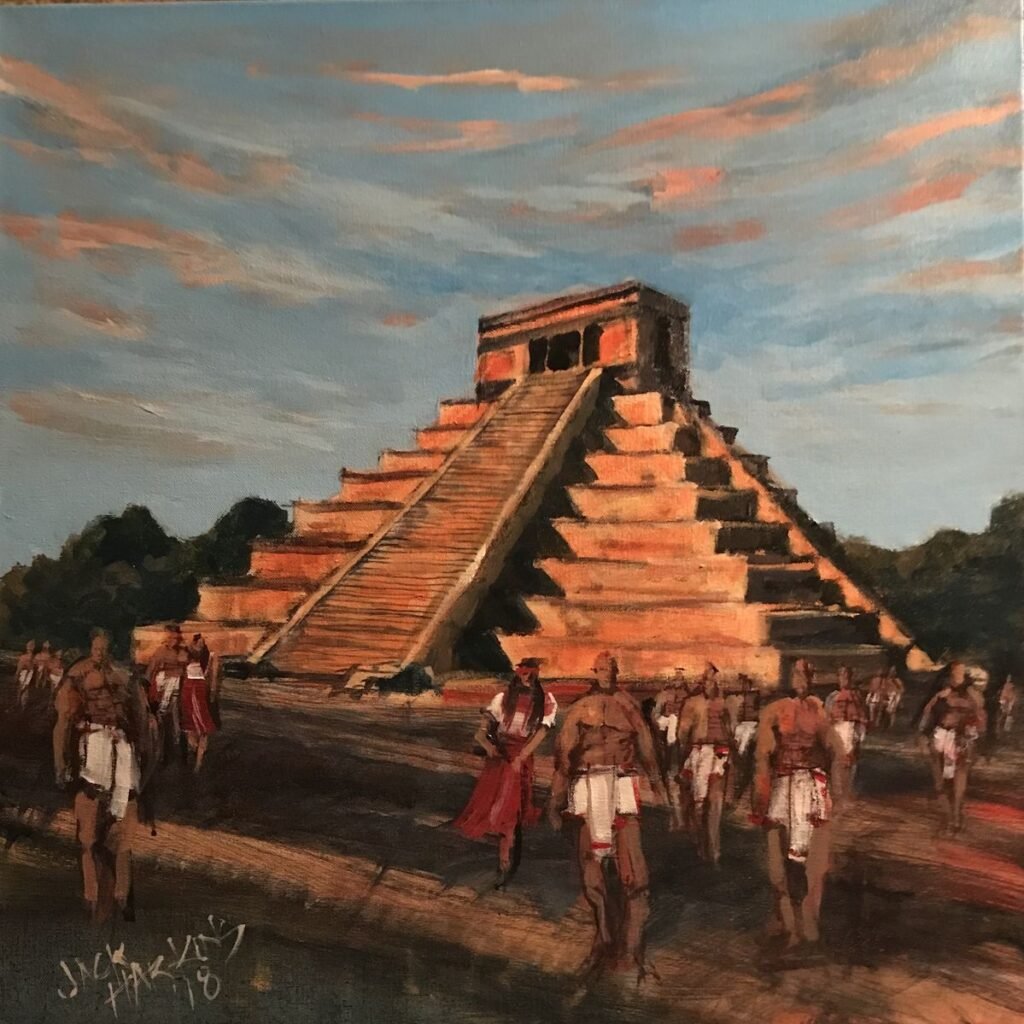
The Architecture of Time
The construction of Tikal’s “Lost World” (Mundo Perdido) pyramid complex represents a Sovereign Mastery over celestial mechanics. Long before the invention of the telescope, the Maya performed an authoritative mapping of the solar year.
- The Solstice Alignment: During the winter and summer solstices, the sun rises in precise alignment with specific temple structures, performing a triumphant visual confirmation of the solar cycle.
- The Venusian Ledger: The Maya tracked the 584-day cycle of Venus with an indomitable accuracy that rivals modern measurements. They viewed the planet not just as a light, but as a vicious harbinger of war and ritual.
- The Obsidian Night: By utilizing “Stela”—vertical stone slabs—as gnomons, they created a Functional Ledger of time, measuring shadows to determine the exact moment of the equinox.
The Friction of Mathematics and Myth
Why is Tikal’s “Celestial Math” the most ascendant topic in 2026’s “Academic Ledger”? Because it challenges the “Primitive Recession”—the false idea that ancient civilizations were less “logical” than we are. I recently spoke with a researcher who noted that the Maya were performing a vicious extraction of data from the night sky without any optical aid.
Their math was based on a vigesimal (base-20) system, allowing them to calculate dates millions of years into the past or future. This stately obsession with “The Long Count” wasn’t about doomsday; it was about Sovereign Continuity. They believed that by aligning their temples with the Quiet Geometry of the cosmos, they could perform a total synchronization between the human and the divine. In 2026, we are beginning to realize that this wasn’t just religion—it was a monumental effort to find order in the “Obsidian” chaos of the universe.
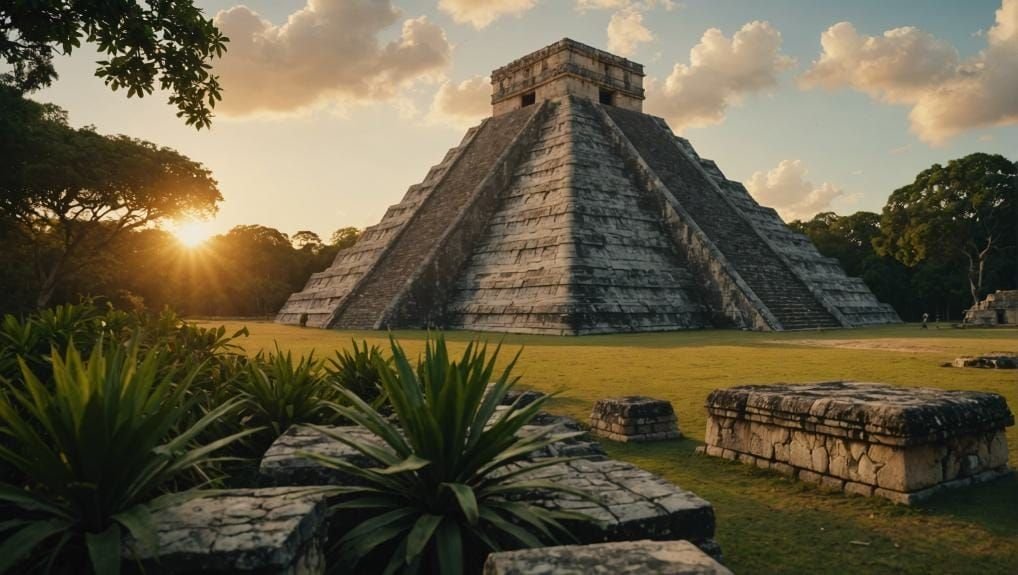
The 2026 Traveler’s Astronomical Audit
If you are performing a triumphant pilgrimage to Tikal this year, your experience should be guided by these Sovereign Observations:
- Temple IV’s Horizon: From the top of the highest structure, you can witness the Quiet Geometry of the sun setting exactly behind Temple III on specific ceremonial dates.
- The Shadow Ledger: Pay close attention to the base of the pyramids during the equinox. The Maya engineered these slopes to perform a visceral play of light and shadow, often mimicking the movement of the “Vision Serpent.”
- Acoustic Math: The placement of the temples creates a viciously accurate acoustic bounce. A clap at the base of Temple I mimics the chirp of the Quetzal bird—a stately fusion of physics and biology.
The Triumphant Return to the Stars
Ultimately, the ruins of Tikal prove that the most indomitable technology we possess is the human mind’s ability to recognize patterns. In 2026, the real Sovereign Luxury is standing on an “Astronomical Altar” and realizing that our ancestors were just as obsessed with “Data Integrity” as we are.
As you perform a final audit of your “Historical Ledger” today, ask yourself: are you looking at these temples as ruins, or as stately machines that still function? Seek out the Quiet Geometry of the ancient world. Reclaiming your “Intellectual Sovereignty” means looking past the moss and seeing the Obsidian precision of the math underneath. The “Modern Mind” doesn’t need more “Processing Power”; it needs the visceral clarity of a culture that knew exactly where it stood in the universe.