

For decades, the idea of a “gap year” belonged to fresh graduates with backpacks and open-ended dreams. But in 2026, a new generation is rewriting that script. Welcome to the Golden Gap Year — a rising travel movement where people over 50 are pressing pause on routine life to explore the world on their own terms.
This isn’t about retirement in the traditional sense. It’s about reinvention.
Why Travel After 50 Is Booming
Today’s 50+ travelers are healthier, wealthier, and more adventurous than previous generations. Many are empty nesters. Some are transitioning careers. Others are simply done waiting for “someday.”

Unlike the rushed two-week holiday, a Golden Gap Year can last months — sometimes even a full year. It may include slow travel across Europe, volunteering in Southeast Asia, learning Italian in Florence, or trekking through Patagonia.
This wave is fueled by three big shifts:
- Longer life expectancy means more active years.
- Remote work and consulting flexibility allow extended travel.
- A mindset shift — people want meaningful experiences over material milestones.
From Bucket Lists to Life Lists
Traditional travel after 50 often revolved around ticking off bucket-list destinations. The Golden Gap Year is different. It’s about depth, not speed.
Instead of rushing through ten cities in two weeks, travelers are staying in one place for a month. They’re renting apartments instead of booking hotels. They’re shopping at local markets and making friends in neighborhood cafés.
It’s immersive, intentional travel.
The Freedom of Slow Exploration
One of the most defining features of the Golden Gap Year is slow travel.
With fewer time constraints, travelers can:
- Take scenic train routes instead of flights.
- Enroll in art, cooking, or language classes.
- Volunteer or join cultural exchange programs.
- Explore lesser-known towns beyond tourist hotspots.
There’s no pressure to “do it all.” There’s space to breathe.
Solo but Not Lonely
Interestingly, many Golden Gap Year travelers go solo. After decades of prioritizing family and work, solo travel becomes a powerful act of independence.
However, they’re not isolated. Group tours designed for mature travelers, cultural workshops, walking clubs, and co-living communities are creating social networks abroad.
The result? A blend of independence and connection.
Financial Planning Meets Passion
Unlike 20-year-old backpackers stretching every dollar, Golden Gap Year travelers often plan carefully. Some take career breaks. Others use savings or sabbaticals. Many combine travel with part-time remote consulting.
Smart budgeting is key:
- Renting long-term accommodations reduces costs.
- Traveling off-season offers better deals.
- Choosing countries with lower living expenses stretches savings further.
It’s adventurous — but strategic.
Reinvention, Not Retirement
Perhaps the most powerful element of the Golden Gap Year is transformation.
Some travelers use this time to:
- Reevaluate life goals.
- Heal after divorce or personal loss.
- Launch creative projects.
- Explore second careers.
- Write books or start travel blogs.
Travel becomes less about sightseeing and more about self-discovery.
Health and Confidence at the Forefront
Traveling after 50 does require thoughtful planning — travel insurance, medical preparedness, and realistic pacing are essential. But modern 50+ travelers are active, fit, and informed.
They’re hiking mountain trails, cycling countryside routes, and even learning to surf.
Age, it turns out, is less of a barrier and more of a badge of experience.
A Cultural Shift in How We Age
The Golden Gap Year reflects a broader cultural shift. Aging is no longer about slowing down — it’s about redefining what fulfillment looks like.
This generation grew up during eras of rapid change, global connection, and expanding opportunity. They’re bringing that same boldness into midlife and beyond.
And social media is amplifying it. Inspiring stories of 60-year-olds backpacking across continents or 55-year-olds relocating to coastal towns are reshaping expectations of what’s possible.
The Future of the Golden Gap Year
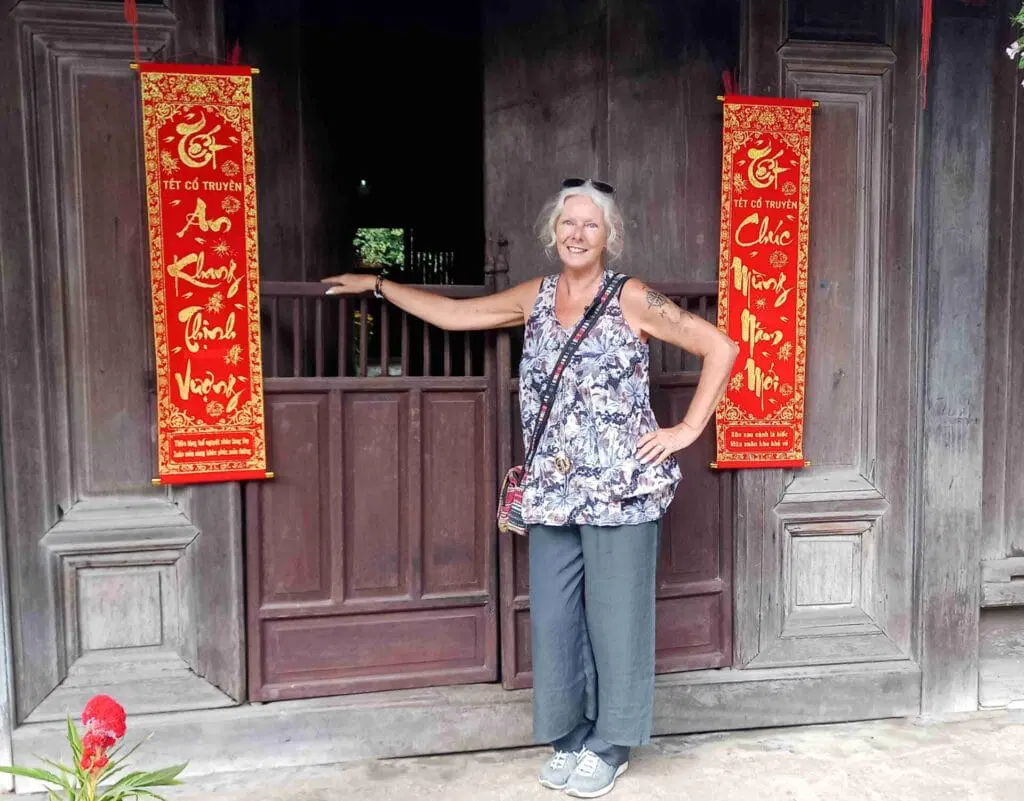
Travel companies are already adapting. We’re seeing:
- Long-stay travel packages.
- Flexible itinerary planning.
- Experience-based programs designed for mature explorers.
- Community-focused travel hubs.
As more people prioritize experiences over possessions, the Golden Gap Year is likely to grow even stronger.
The gap year is no longer reserved for youth. It has matured, evolved, and expanded.
For many over 50, this is not a break from life — it’s the beginning of a new chapter.
The Golden Gap Year isn’t about escaping responsibility. It’s about finally giving yourself permission to explore the world — and yourself — without a deadline.
And perhaps that’s the most powerful journey of all.