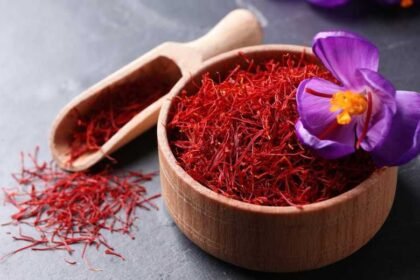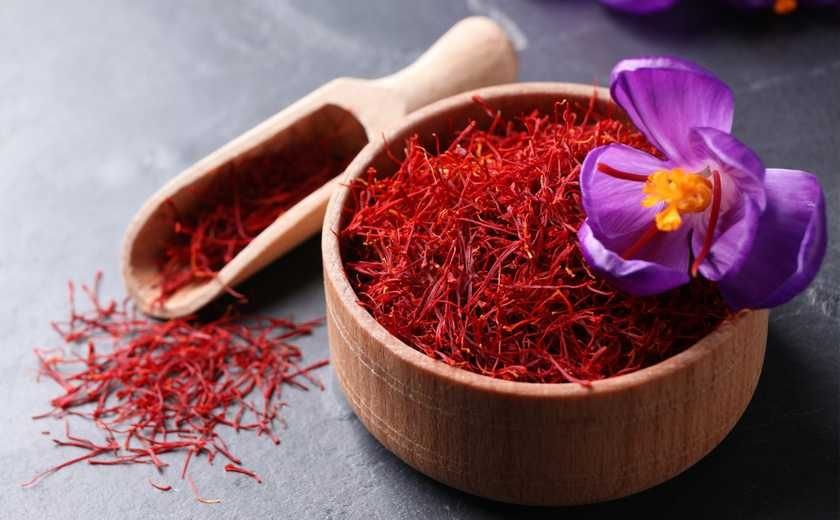

I once sat in a windowless stone room in Taliouine, tucked into the jagged folds of Morocco’s High Atlas, watching three generations of women perform a viciously delicate dance. It was 4:00 AM. Outside, the world was a frozen, indigo void. Inside, the air was thick with a scent so heavy it felt structural—honey, hay, and a metallic tang that tasted like ancient sun. They were plucking the “red gold” from the Crocus sativus, a flower that blooms for only two weeks a year and dies if the sun touches its heart.
In 2026, as we drown in the “Digital Fog” of lab-grown flavors and synthetic luxury, the Saffron Shadows represent a triumphant act of biological resistance. This isn’t just a spice; it is a sovereign ritual of patience. It takes 150,000 flowers to produce a single kilogram of dried threads. It is the most viciously labor-intensive harvest on the planet, and in the High Atlas, it remains a forbidden secret, protected by the uncommon grit of the Berber tribes.
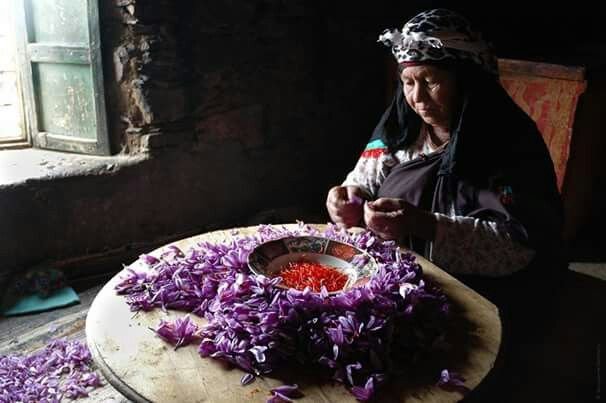
The Architecture of the “Red Gold”
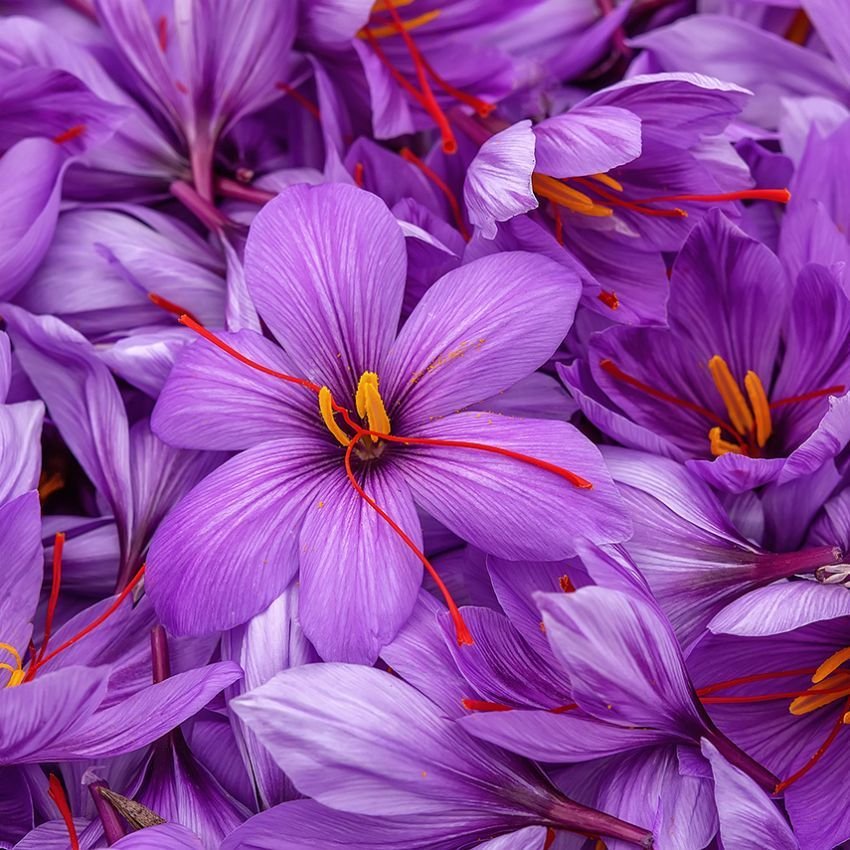
The value of saffron isn’t in its price tag, but in its Quiet Geometry. Every thread is a stigma—a tiny, crimson antenna that has captured the sovereign energy of the mountain soil. To understand saffron is to understand the Brutal Logic of the earth: some of the most beautiful things can only be harvested in the dark.
- The Pre-Dawn Extraction: The ritual is viciously time-sensitive. If the petals open fully under the midday sun, the chemical potency of the safranal—the essence of the scent—is compromised. The harvest is a race against the light.
- The Sovereign Seal: In the high villages, saffron is more than currency; it is a triumphant ledger of family history. Jars of threads are kept like dowries, aging into a visceral potency that commercial spice markets can never replicate.
The Forbidden Reset: The Luxury of the “Slow”
Why does the “Shadow Harvest” pull at us in 2026? Because it represents a triumphant rejection of “Instant Gratification.” You cannot “disrupt” a saffron harvest with an algorithm. You cannot scale it with a machine without losing its sovereign soul.
I spoke with a village elder who called the harvest “The Great Humbling.” He argued that we have lost the visceral connection to the time it takes for nature to create something perfect. When you taste real Atlas saffron, you aren’t just tasting a spice; you are tasting 400 hours of human touch. It is a forbidden luxury in a world that values speed over depth. It is the uncommon magic of a moment that cannot be rushed.
Editor’s Personal Note: Reclaiming the Ritual
We often treat luxury as something we “buy,” but the Saffron Shadows remind us that true luxury is something we earn through presence. It is a sovereign act to care about the origin of a single thread of spice.
A Practical Human Tip: This week, practice “Sensory Sovereignty.” Pick one thing you consume—a coffee, a spice, a piece of fruit—and trace its visceral journey. Don’t just eat it; look for the “Shadow” behind it. Who touched it? How much sun did it require? How many hours of human life are stored in that flavor? This small act of uncommon awareness is the first step toward reclaiming your connection to the physical world.