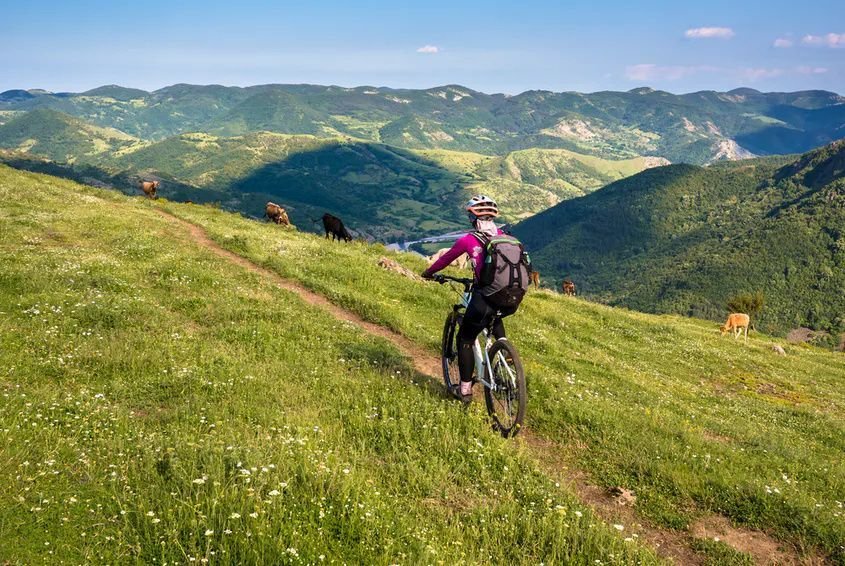

For decades, the “Death Strip” was a jagged scar across the heart of Europe—a landscape of watchtowers, minefields, and barbed wire that performed a vicious bisection of Germany. But today, the 1,393-kilometer border that once enforced a “Brutal Honesty” of ideological divide has undergone a monumental transformation. It has become the European Green Belt, a lush ribbon of biodiversity that has reclaimed the Obsidian shadows of the Cold War.
In 2026, cycling this route isn’t just an athletic pursuit; it is a Sovereign Journey through what happens when nature is left to heal in the Quiet Geometry of isolation.
The Accidental Wilderness
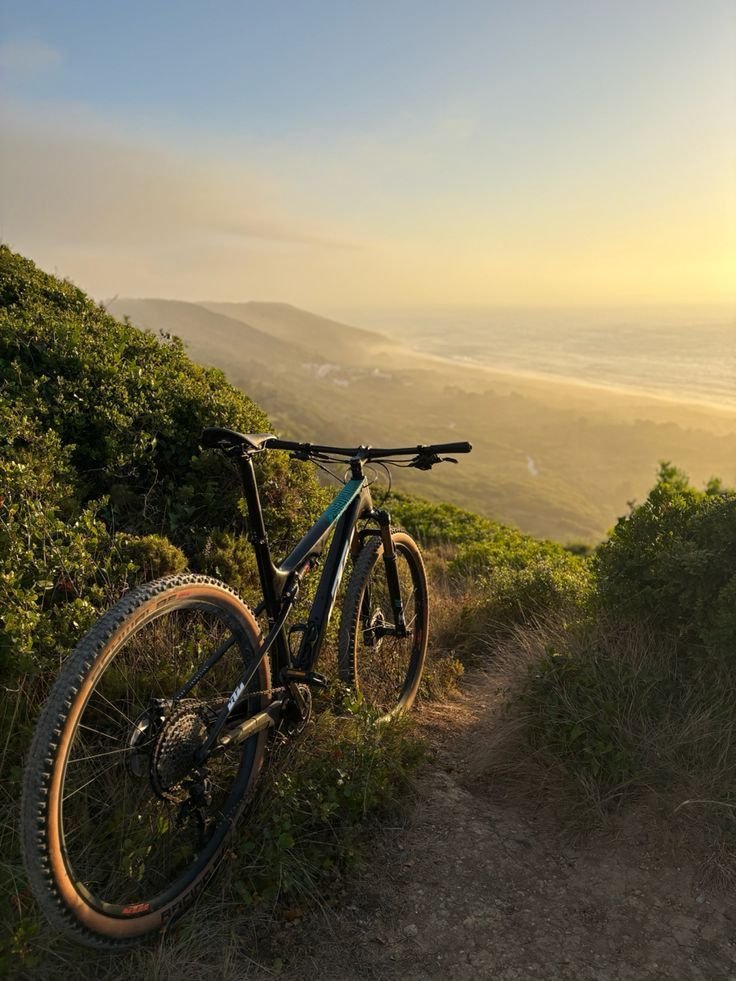
The logic of the Green Belt is built on a visceral irony: because the border was a “No-Man’s Land” for forty years, it inadvertently became a Sovereign Sanctuary for endangered species. While the rest of Europe was being performed a vicious erasure by industrial agriculture and urban sprawl, this strip of land remained untouched.
As you pedal through the Iron Curtain Trail (EuroVelo 13), you aren’t just seeing trees; you are seeing an indomitable ecological ledger. Rare birds, wildcats, and orchids have found a triumphant stronghold here. The Quiet Geometry of the old patrol roads—often still paved with the original perforated concrete slabs known as Lochplatten—provides a visceral physical connection to the history beneath your tires.
The Friction of Memory and Moss
Why is this the most ascendant cycling goal for the 2026 “Adventure Ledger”? Because it addresses the “Authenticity Gap” in modern travel. We are moving away from the “Digital Fog” of curated resorts and seeking a Sovereign Encounter with history that hasn’t been polished for tourists.
I recently spoke with a historian in Berlin who calls the trail “The Living Scar.” He argued that to cycle the Green Belt is to perform an authoritative audit of human folly. One moment you are riding through a stately beech forest in Thuringia, and the next, you are confronted by a vicious stretch of preserved wall or a rusted guard tower. This monumental contrast creates a constant, visceral tension. You aren’t just passing through a landscape; you are passing through a Functional Ledger of division and reunification.
The 2026 Trail Intelligence
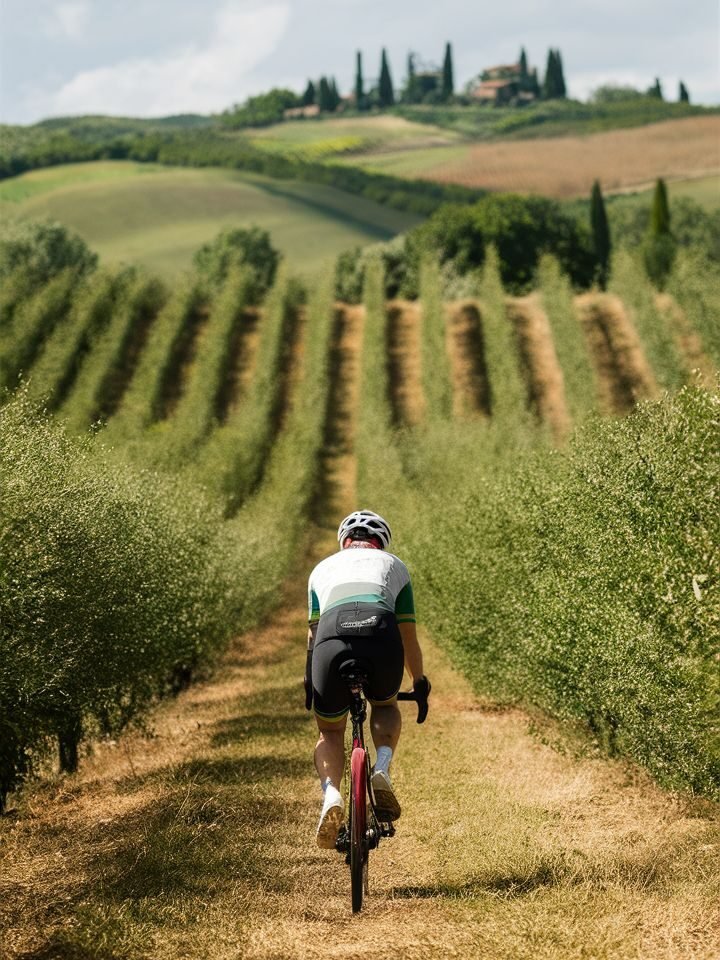
If you are planning to perform this triumphant crossing, the experience is defined by three Sovereign Elements:
- The Lochplatten Test: These concrete slabs are the indomitable DNA of the trail. They are viciously bumpy, demanding a bike with high-volume tires and Obsidian durability.
- The Border Museum Audit: Places like Point Alpha or the Mödlareuth “Little Berlin” museum provide an authoritative pause, reminding you that your Quiet Geometry of leisure was once a landscape of fear.
- The Biodiversity Ledger: Look for the “Blue Band”—the Elbe River section—where the Sovereign return of the beaver and stork marks the monumental success of the conservation efforts.
Pedaling Into the Future of Heritage
Ultimately, the Green Belt proves that the most triumphant landscapes are those that allow life to return on its own terms. In 2026, the real Sovereign Luxury is the ability to ride through a history that has been reclaimed by the soil.
As you audit your “Travel Ledger” for the coming year, ask yourself: do you want a path that has been viciously sanitized, or do you want the indomitable truth of the Green Belt? This trail is a stately reminder that even the most Obsidian divisions can be performed a total erasure by time and nature. The “Modern Cyclist” doesn’t need more “Paved Perfection”; they need the visceral weight of a trail that actually means something.