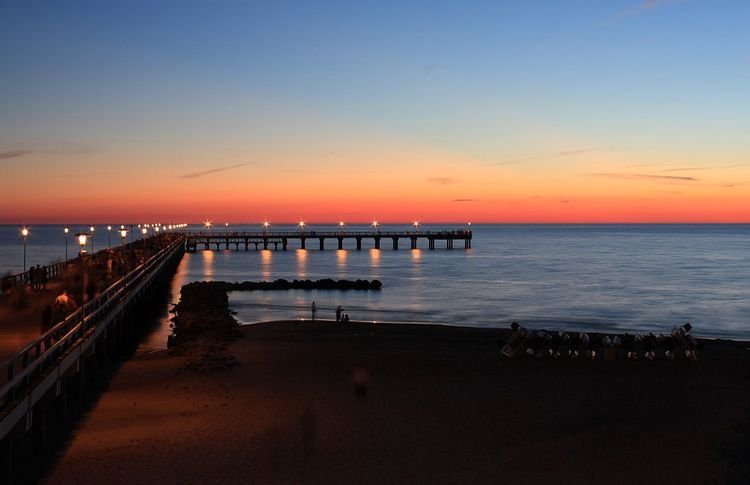

There is a road in Europe that almost nobody talks about — one that predates Rome, predates modern borders, and predates the very concept of tourism itself. It is called the Amber Route, and if you have never heard of it, that is precisely the point.
Most travelers who come to Europe arrive with a list. Paris. Prague. Santorini. They move between these cities like chess pieces — predictable, photographed, and somehow never quite satisfied. The Amber Route asks something different of you. It asks you to disappear a little.
Stretching roughly 2,400 kilometres from the Baltic coast of Lithuania all the way down to the Adriatic shores of Italy, the Amber Route was once the most commercially vital corridor in the ancient world. For over three thousand years, merchants carried Baltic amber — that golden resin the ancient Greeks called “elektron” — southward through what is now Poland, Slovakia, Austria, and Slovenia. Amber was currency. It was medicine. It was magic. And the road they built to carry it was, for a long time, the spine of European civilization.
What makes it different today
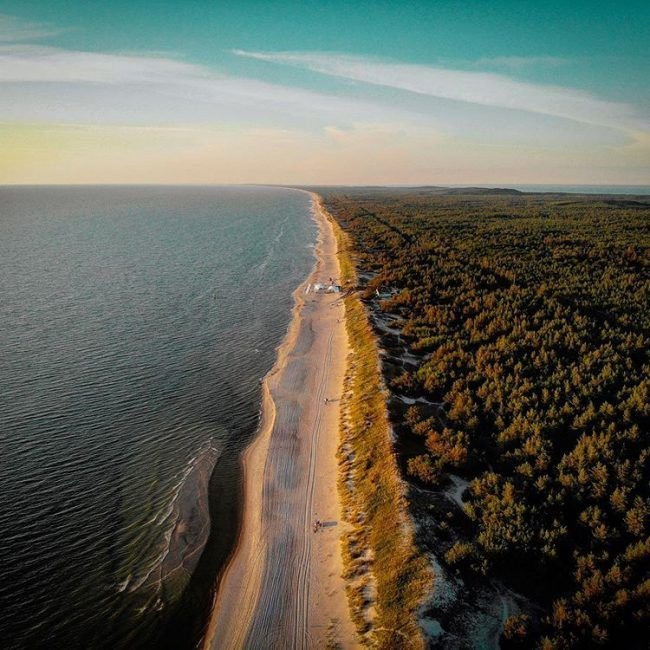
Today, the route passes through landscapes that the mainstream travel industry has almost entirely forgotten. You will cross the Masurian Lake District in northeastern Poland — a region of two thousand glacial lakes where the morning fog sits so low on the water it looks like the land is breathing. You will pass through the Slovak village of Spišské Podhradie, where Spiš Castle — the largest ruined fortress in Central Europe — watches over a valley that has barely changed since the 12th century. And you will arrive, eventually, at the Adriatic, where the water turns a shade of blue that no filter on any phone has ever accurately captured.
None of these places will be crowded. That, by itself, is worth the entire journey.
“The Amber Route is not a tourist trail. It is a memory — a thread connecting the ancient world to the modern one, still largely intact, still largely unseen.”
The 2026 case for going now
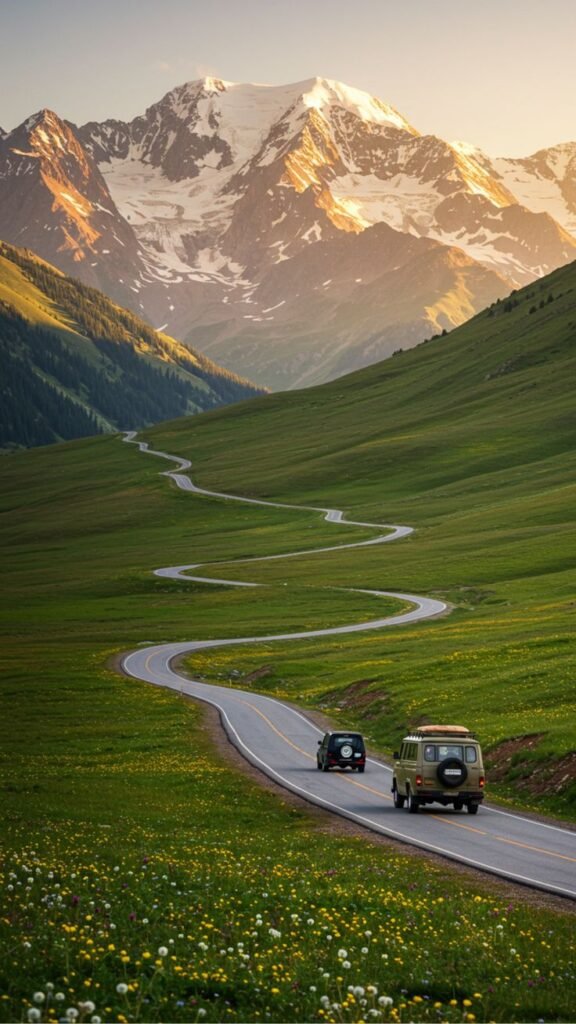
There is a reason seasoned travelers are pointing toward the Amber Route in 2026 specifically. Three of the countries it passes through — Poland, Slovakia, and Slovenia — have seen significant infrastructure investment over the last four years, meaning the road is more accessible than ever without losing its essential wildness. Rail connections from Warsaw, Kraków, and Bratislava have improved dramatically. Small, family-run guesthouses along the route now offer the kind of quiet, personalised hospitality that no five-star chain has ever successfully manufactured.
At the same time, the route has not yet entered the mainstream consciousness. Overtourism has not reached it. The light has not changed. The silence is still intact.
How to travel it
The ideal way to experience the Amber Route is slowly — by car or bicycle over two to three weeks, entering from the Lithuanian port city of Klaipėda in the north and finishing at Aquileia near Venice in the south. You do not need a guide. You do not need a rigid itinerary. What you need is a willingness to stop when something looks interesting, to eat where locals eat, and to sleep in places where the wifi is unreliable and the breakfast is unforgettable.
This is not a journey you plan to death. It is one you simply begin.
And in a world where every “hidden gem” has already been tagged, filtered, and posted — that, more than anything else, is the rarest luxury of all.