Bali was once a secret. Difficult to reach, quietly extraordinary, the kind of place that travellers stumbled upon and returned from slightly changed — telling friends in lowered voices, the way people share things they’re not entirely sure they want widely known.
That Bali no longer exists. What exists now is the world’s most efficiently packaged tropical experience: 6.3 million international visitors annually, traffic gridlock in Seminyak, a Starbucks within walking distance of the Sacred Monkey Forest, and rice paddies in Ubud now viewed from designated Instagram platforms installed by the local tourism board. It is still beautiful. It is also, by almost any honest measure, finished as a place of genuine discovery.
The good news is that Indonesia is the world’s largest archipelago — 17,000 islands, of which fewer than a hundred receive any meaningful tourist traffic. The Bali that enchanted the world in the 1990s did not disappear. It migrated. And it is waiting, on islands most travellers couldn’t place on a map, with a patience that geography affords.
Lombok: Bali’s Quieter Twin
Two hours east of Bali by fast boat, Lombok offers the same volcanic landscape, the same warm Indian Ocean water, and a fraction of the footprint. The Gili Islands — three small coral-fringed islets off Lombok’s northwest coast — deliver white sand and turquoise water in the way Bali’s beaches once did before beach clubs began charging entry fees. There are no motorised vehicles on any of the Gilis. Transport is by horse cart or bicycle. The pace adjusts accordingly.
Inland, Rinjani — Indonesia’s second-highest volcano — offers a multi-day trek to a crater lake of startling blue, ringed by peaks that catch the early cloud in ways that make the two-day climb feel, at the summit, completely worth the effort. The infrastructure for trekking is organised and safe. The crowds are a fraction of what comparable hikes in more famous destinations attract.
Flores: The Island That Rewards Patience
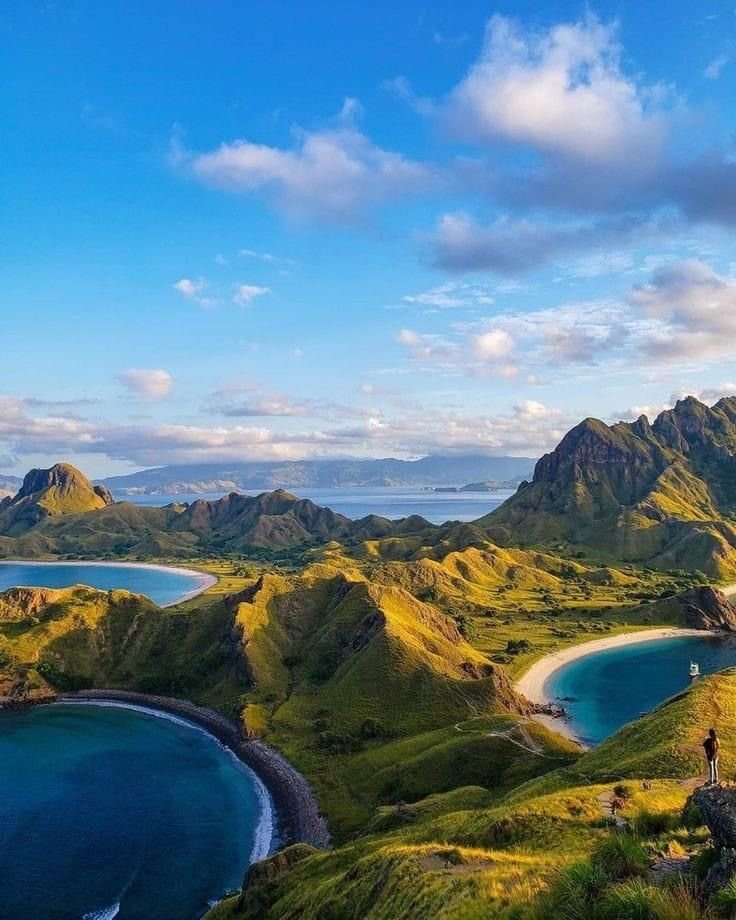
Flores sits east of Lombok and requires more deliberate effort to reach — which is precisely why it remains as extraordinary as it does. The road across the island is one of Southeast Asia’s great driving routes: volcanic peaks, traditional villages, sweeping coastal curves, and the particular quality of rural Indonesian life that moves at a pace tourism has not yet disrupted.
Kelimutu — three volcanic crater lakes sitting at the island’s centre, each a different colour due to distinct mineral compositions — is one of the most genuinely surreal natural phenomena in the world. The lakes shift colour over years: turquoise to green to black to white, in combinations that feel less like geology and more like weather of a very slow kind. Arriving before dawn to watch the colours emerge from the mist is an experience that has no equivalent anywhere in Bali.
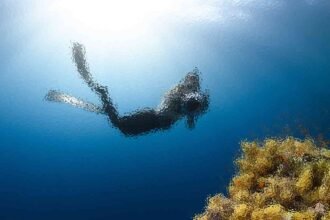
Flores is also the gateway to Komodo National Park — the only place on earth where Komodo dragons exist in the wild, in an island landscape of pink-tinged sand beaches and diving conditions that consistently rank among the world’s finest.
Sumba: The Island Fashion Found Before Tourism Did
Sumba is the most surprising entry on this list. A remote island in eastern Indonesia, it has spent the last decade quietly becoming one of the most sought-after luxury travel destinations in the region — not because of beach clubs or nightlife but because of the extraordinary combination of dramatic savannah landscape, ancient animist culture, and some of the most thoughtfully designed boutique accommodation anywhere in Asia.
The traditional ikat weaving of Sumba — hand-dyed using natural pigments, patterned with ancestral symbols, and produced on backstrap looms by women continuing a technique unchanged for centuries — has attracted designers from Europe and Japan who come to study and commission work. The island’s buffalo racing festival, Pasola, held annually in February and March, is one of the most visceral and visually overwhelming cultural events in Southeast Asia: hundreds of horsemen hurling blunted spears at each other across open fields in a ritual that predates recorded history on the island.
Nusa Penida: Bali’s Own Escape
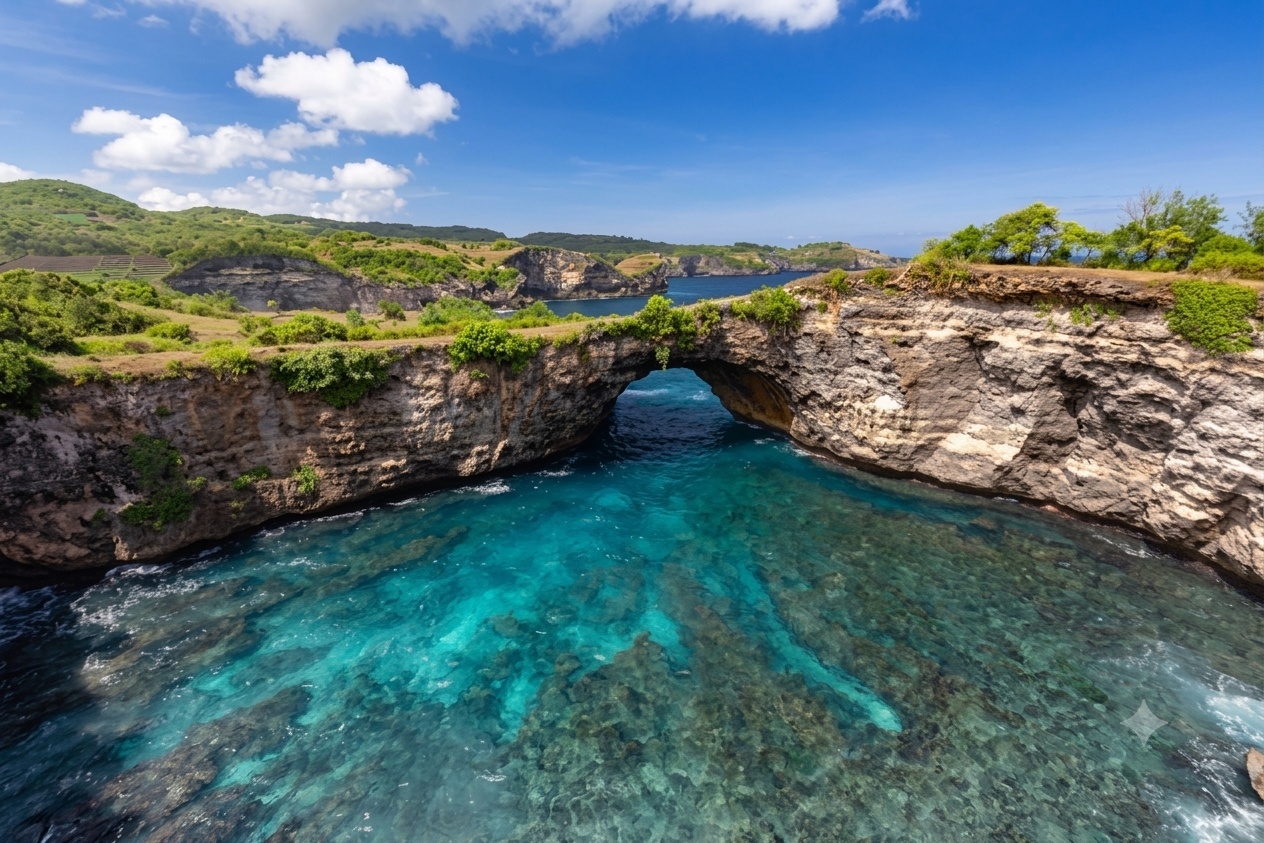
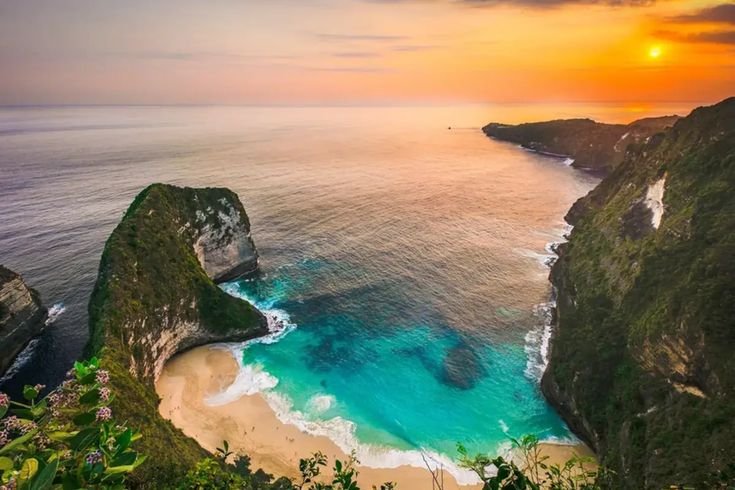
For those who have already committed to Bali and find themselves staring at the Kuta traffic, the solution is thirty minutes offshore. Nusa Penida — the largest of three islands southeast of Bali — has developed tourist infrastructure without losing the dramatic quality that made Bali famous. Kelingking Beach, accessible by a steep trail down a cliff face, offers a headland shaped like a Tyrannosaurus rex above water that defies reasonable colour description. The diving around Manta Point is world-class and accessible to intermediate divers. The roads are rough. The crowds are manageable. The sense of being somewhere that hasn’t quite decided what it wants to be yet is, for the right traveller, the best thing about it.
The Window Is Still Open
Lombok, Flores, Sumba, Nusa Penida — these are not compromise destinations. They are not “Bali but cheaper” or “Bali but quieter” in any diminishing sense. They are places that offer something Bali itself can no longer reliably provide: the experience of arriving somewhere and finding it largely as it is, rather than as it has been prepared for you.
Indonesia has 17,000 islands. The tourist map covers perhaps thirty of them with any confidence. The rest is open country — extraordinary, accessible, and waiting for travellers willing to look one island further than everyone else.