Most people think of Panama as a giant shipping shortcut or a skyline full of glassy finance towers. They fly into Panama City, take a day trip to watch a cargo ship slide through the Miraflores Locks, grab dinner in Casco Viejo, and head home thinking they’ve checked the box.
But if you look off Panama’s northeastern coastline, scattered across the turquoise waters of the Caribbean, there’s an entire world that modern development completely skipped over.
Life Without Resorts, Roads, or High-Rises
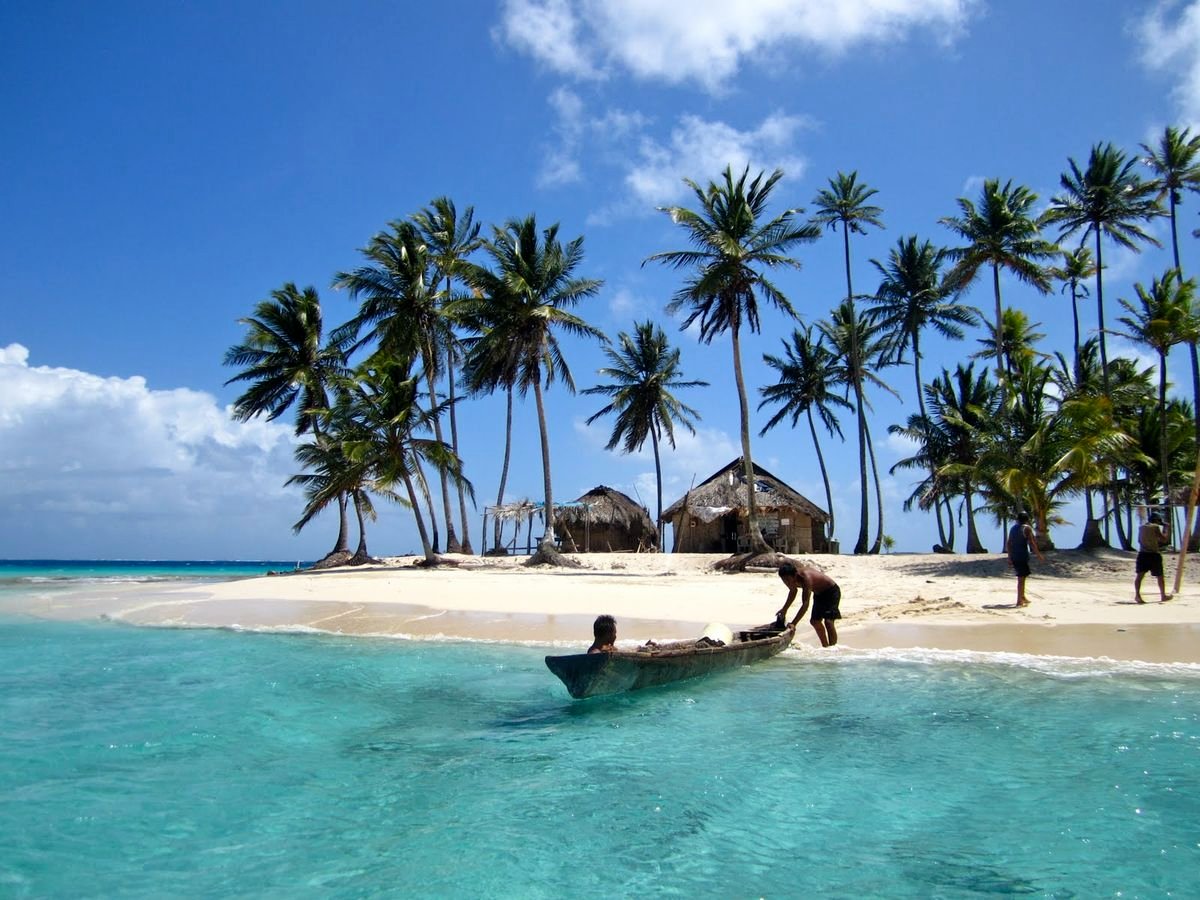
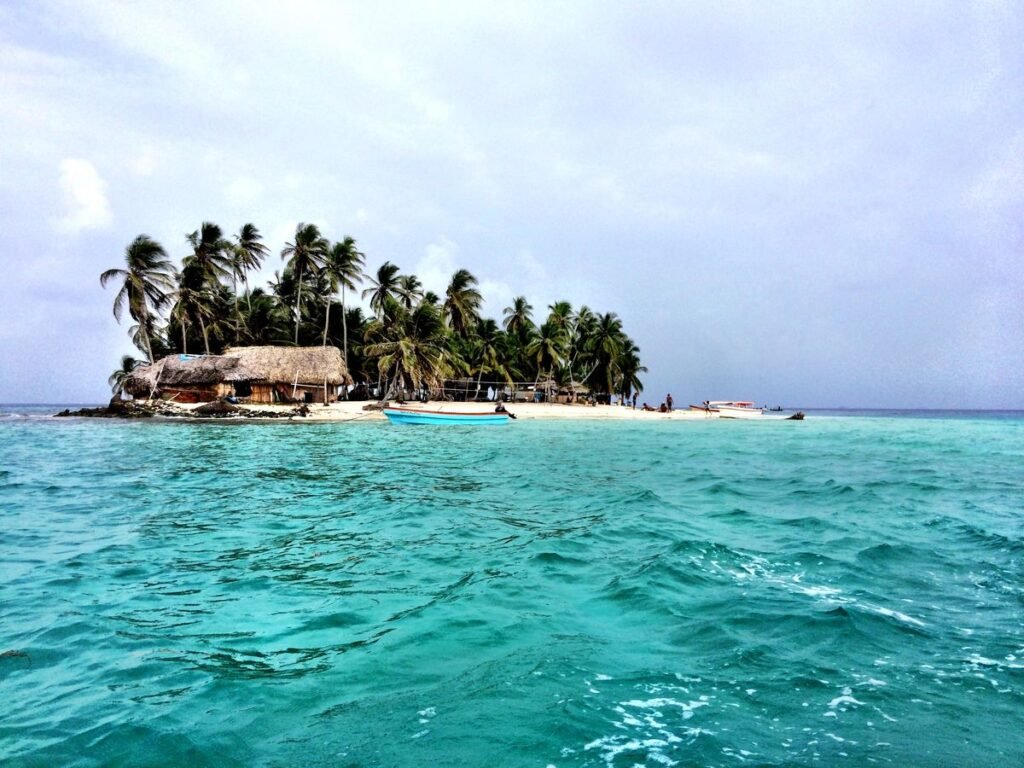
Guna Yala—historically known as the San Blas Islands—is an archipelago made up of roughly 365 tiny cays and islands, only forty or so of which are inhabited. What makes this place wildly different from almost every other Caribbean getaway isn’t just the impossibly clear water or the palm trees drooping over white sand. It’s the fact that no foreign developer, mega-resort chain, or high-rise hotel operator is allowed to own an inch of land here.
The entire territory is autonomously governed by the indigenous Guna people. Centuries ago, when Spanish colonizers attempted to clear the coastline, the Guna retreated into the dense rainforests and offshore islands, fiercely protecting their sovereignty. Today, their legal autonomy means strict rules protect both the ecosystem and their culture: no concrete high-rises, no cruise ship docks, no private beach clubs, and no corporate chains.
If you visit, you won’t be staying in a glass-fronted suite with an infinity pool. You’ll likely sleep in a thatched-roof wooden cabin built directly over the sand, eating whatever local fishermen hauled in that morning—usually fresh spiny lobster, red snapper, and coconut rice.
The Raw Reality of Off-Grid Living
Stepping onto one of these tiny islands feels like stepping off the map in the most literal sense. Electricity is often limited to small solar panels or generators that switch off at night. Wi-Fi is spotty at best, and cell service comes and goes with the wind.
For travelers burnt out on hyper-connected daily life, that friction is the whole point. You spend your days swimming between shallow sandbars floating in open ocean, snorkeling vibrant coral reefs untouched by resort runoff, or paddling traditional wooden canoes between neighboring island communities.
Yet, this isolation isn’t a staged vintage photo set; it’s a living community navigating the modern world. The Guna people have fiercely preserved their traditions—from the intricate hand-stitched mola textiles worn by elders to their nightly tribal councils—while quietly facing serious environmental pressures. Rising sea levels caused by global climate change are already threatening the lowest-lying islands in the archipelago, forcing several island communities to begin planning relocations back to the mainland rainforest.
How to Visit Without Leaving a Heavy Footprint
Because Guna Yala operates under indigenous jurisdiction, visiting requires a bit more intention than booking a standard flight-and-hotel package.
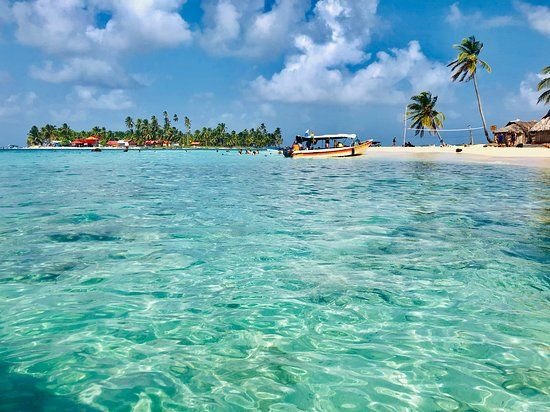
You can’t just rent a car at the airport and drive out to the beach whenever you feel like it. Reaching the archipelago involves a rugged four-wheel-drive trip through the jungle-covered San Blas mountains, followed by a transfer onto a wooden water taxi operated by local captains.
When planning a visit, the key is working directly with local Guna hosts, community-run lodges, or licensed eco-guided sailboats rather than outside tour brokers. Paying entry fees directly to the indigenous framework ensures your travel spending supports local schools, healthcare, and environmental conservation rather than leaking out to international operators.
Where the Real Panama Lies
Panama’s famous engineering marvel will always draw crowds, and there’s no denying the impressive scale of the canal. But if you want to understand the true spirit of the country, you have to leave the shipping lanes behind.
Guna Yala offers a rare glimpse of what the Caribbean looked like before paved boardwalks and commercialized resorts took over. It’s quiet, wild, and fiercely independent—a vivid reminder that sometimes the most extraordinary places on Earth are the ones that simply refused to be bought.