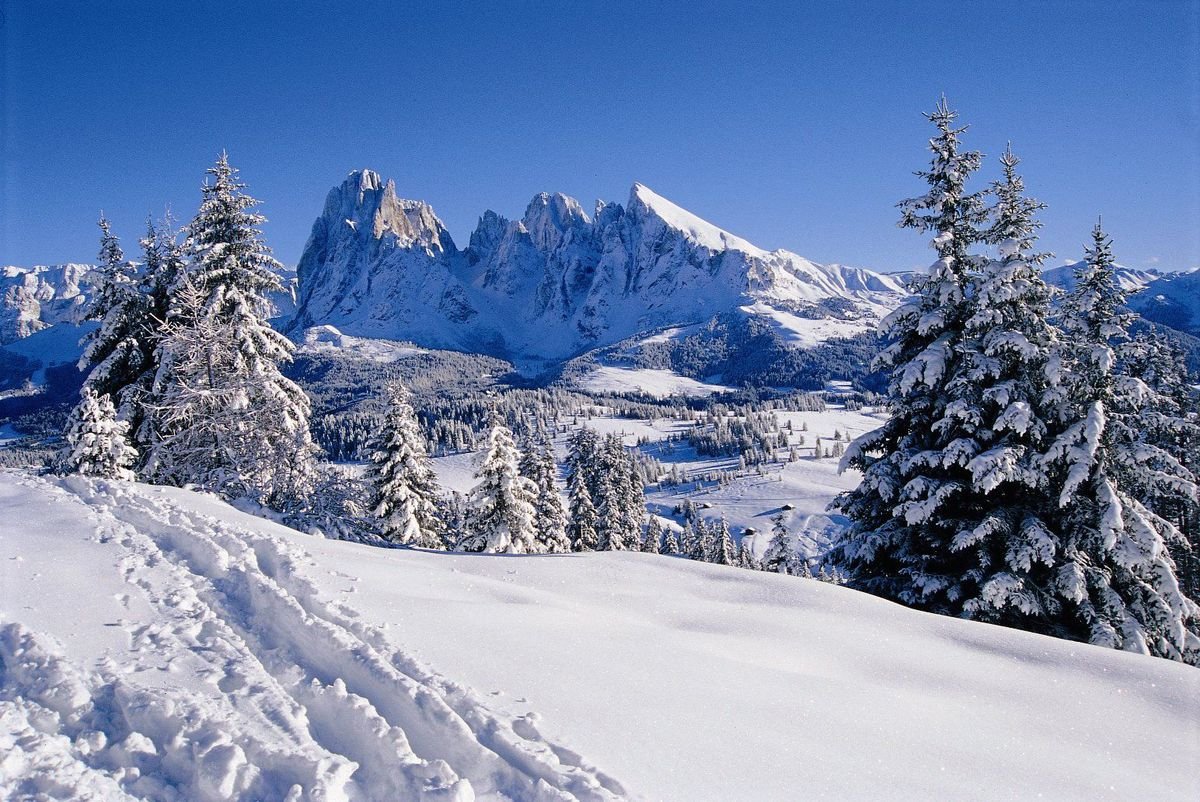
Some places are simply better in summer. And then there are destinations that seem to have been specifically designed by the planet to operate in winter — places where snow and cold are not inconveniences to manage but revelations that reframe everything you thought you knew about a landscape, a city, or a culture. These are not places to visit in spite of winter. They are places to visit because of it. The difference is everything.
Finnish Lapland: Where the Sky Is the Destination
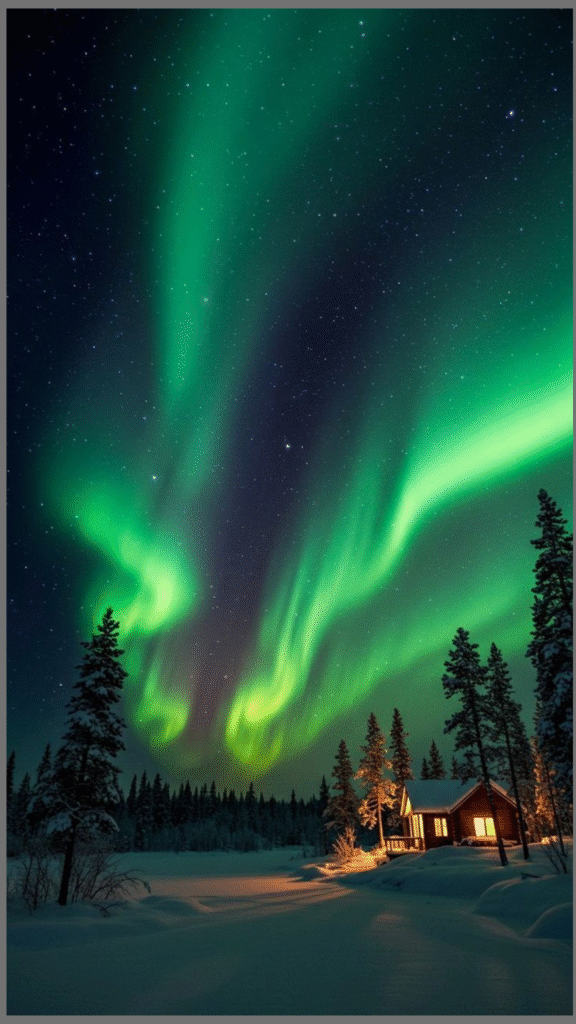
The case for Lapland in winter does not begin with activities or architecture. It begins with the sky. Lapland is pure winter magic — sleeping in a glass igloo as green skies sweep overhead, encountering reindeer at dawn, and navigating the silence of a frozen wilderness at temperatures that make the air feel solid. Finnish Lapland sits at the collision point of several extraordinary phenomena: the Northern Lights, the polar night, snow so deep and undisturbed that sounds behave differently within it, and a Sámi cultural tradition that has shaped this landscape for thousands of years. Santa Claus Village in Rovaniemi, positioned precisely on the Arctic Circle, adds a layer of festive mythology that makes Lapland uniquely powerful for families travelling with children — but the landscape around it rewards adults arriving without an agenda just as completely.
Kyoto, Japan: Ancient Temples Under Snow
There is a version of Kyoto that hundreds of thousands of people experience every spring, pressing through cherry blossom crowds with their cameras raised. And then there is Kyoto in winter — ancient temples surrounded by delicate snowflakes, the Kinkaku-ji’s golden reflection sitting motionless in a snow-framed pond, the Arashiyama Bamboo Forest carrying a weight and silence that its crowded summer self never achieves. Winter in Kyoto strips away the noise and returns the city to what it actually is: one of the most carefully preserved concentrations of Buddhist and Shinto heritage on earth, contained within a landscape that winter makes genuinely meditative. The steam rising from a bowl of ramen in a centuries-old machiya townhouse, with snow falling outside and the street completely empty, is the kind of specific travel memory that stays for the rest of a life.
Banff, Canada: Where Frozen Lakes Glow Blue
From December to March, the Canadian Rockies transform into a winter wonderland. Banff National Park is a hotspot for winter sports enthusiasts, with Lake Louise Ski Resort offering expansive slopes and breathtaking frozen lake views. But the visual centrepiece of a Banff winter is not the skiing — it is the lakes themselves. Lake Louise and Moraine Lake freeze in winter into surfaces of extraordinary luminous blue-green, their glacial mineral content turning the ice into a colour that no photograph quite captures honestly. The Maligne Canyon Ice Walk takes visitors into a frozen gorge adorned with ice formations that build throughout the season into structures of vertiginous scale and improbable delicacy. Banff in summer is beautiful. Banff in winter is something closer to otherworldly — and significantly less crowded.
Prague, Czech Republic: Gothic Architecture in Snow
Prague turns into a real-life snow globe during the winter months. The Gothic architecture, glowing street lamps, and lively Christmas markets make it one of the most beautiful winter destinations in Europe. The specifics matter enormously here: Charles Bridge under snow, with no tourist crowds and morning mist lifting off the Vltava, is a different place entirely from the packed summer version. The Christmas markets in Old Town Square, running through December, centre on mulled wine stalls and handmade crafts vendors clustered beneath an illuminated tree of exceptional scale — and while “Christmas market” has become a somewhat generic European descriptor, Prague’s version retains genuine local character that the most-commercialised German counterparts have partially lost. January and February, post-markets, are when Prague most rewards the visitor who chooses it deliberately — cheaper, quieter, and more itself.
Hallstatt, Austria: A Storybook That Only Completes in Winter
Nestled beside a shimmering lake and surrounded by mountains, Hallstatt feels like a storybook come to life. The village’s quiet charm and snow-dusted rooftops attract travellers seeking peaceful winter escapes. Hallstatt is technically a year-round destination, but summer brings day-tripper crowds that reduce the village — which has a permanent population of under 800 — to a photographic queue rather than an inhabitable place. Winter solves this completely. With day-trippers gone and snow transforming the lakeside wooden houses into something from a Grimm illustration, the village becomes what it clearly always was: one of the most visually extraordinary inhabited places in Europe, designed by its geography for exactly this kind of weather.
Tromsø, Norway: The Capital of Arctic Light
Known as the gateway to the Arctic, Tromsø offers stunning natural beauty. Witness the Northern Lights, take a husky sled ride, or explore snow-covered fjords. Tromsø earns its position on this list not just for the Northern Lights — which, while genuinely spectacular, are visible across the wider Arctic region — but for the quality of winter life it has built around extreme darkness and cold. The city sits above the Arctic Circle in the middle of the polar night, receiving no direct sunlight from late November to late January. What it receives instead is a phenomenon called blue hour: a two-hour window of luminous, deeply saturated blue-purple twilight each day, during which the snow-covered landscape glows at frequencies that no other light produces. Norwegian winter culture has developed around exactly this — the hygge philosophy of warmth, connection, and deliberate comfort in the face of dark — and Tromsø is where it is most dramatically tested and most fully expressed.
Hokkaido, Japan: Powder Snow and Ice Sculptures
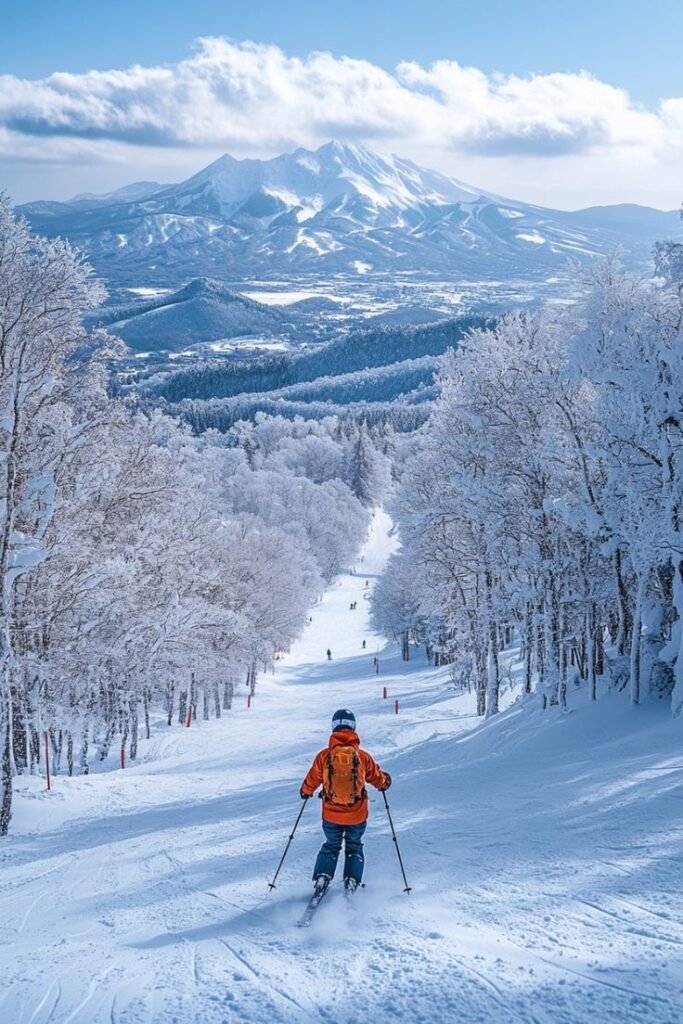
Your winter seems iconic when you land in Sapporo, which hosts a big snow festival with huge ice sculptures. In Hokkaido, there is still fresh powder snow, which is excellent if you’re in for a long day of skiing. Small towns have hot food stalls and empty streets. Hokkaido receives snowfall of a quality that has made it the preferred destination of the world’s most discerning powder skiers — light, dry, and accumulating at rates that transform the landscape overnight into something completely unrecognisable from its summer self. The Sapporo Snow Festival, running annually in early February, adds a cultural dimension that has no real equivalent anywhere else: enormous architectural sculptures carved entirely from snow and ice, some reaching five storeys in height, illuminated at night in a spectacle that Japan — uniquely — has turned into a precision art form.
The Case for Winter Travel
Cold weather creates unique opportunities for experiences that are impossible during other seasons — think dog sledding across a frozen wilderness or sipping mulled wine in centuries-old Christmas markets illuminated by twinkling lights. But the deeper argument for winter travel is simpler than any specific activity: it is the argument for seeing a place as it actually is, stripped of its peak-season performance. The most magical winter destinations are not places that happen to work in cold weather. They are places that were always waiting for the temperature to drop before revealing the version of themselves worth travelling to see.