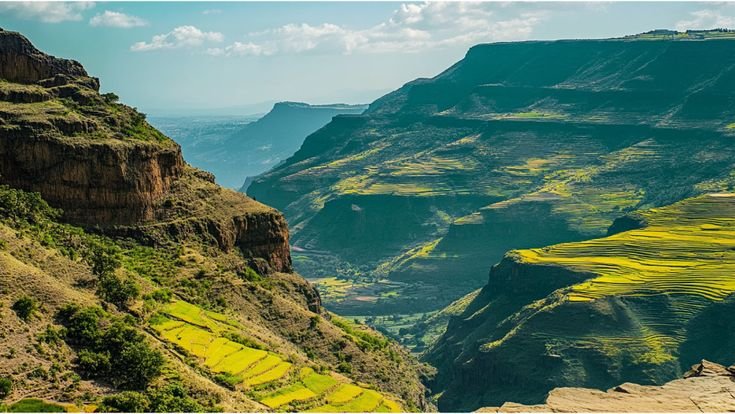

Every January, in the ancient highland city of Lalibela — carved literally out of rock over eight centuries ago — something happens that most of the world has never heard of. Tens of thousands of white-robed pilgrims descend from the mountains on foot, some having walked for days. Priests emerge from churches hewn into cliffsides, carrying ornate gold tabots — replicas of the Ark of the Covenant — shielded from public view by embroidered canopies. Drums sound. Horns call. The air fills with incense and the low vibration of ancient chant.
This is Timkat. The Ethiopian Orthodox celebration of the Epiphany. One of the most visually and spiritually overwhelming festivals on earth — witnessed by a number of foreign travellers so small it borders on inexplicable.
A Christianity Older Than Rome’s Version
Ethiopia has been Christian since 330 AD — predating the Christianisation of most of Europe by over a century. The Ethiopian Orthodox Tewahedo Church follows a liturgical calendar entirely distinct from Catholic and Protestant traditions. Christmas — called Genna — falls on January 7th. But Timkat, celebrated on January 19th and 20th, carries the weight that Christmas carries elsewhere.
It commemorates the baptism of Jesus in the Jordan River. Its central ritual — the blessing of water, followed by the congregation’s renewal of their baptismal vows — has been performed in this country for over 1,600 years without interruption. The Timkat happening in Lalibela today is not a revival. It is a continuation.
Lalibela: The City That Shouldn’t Exist
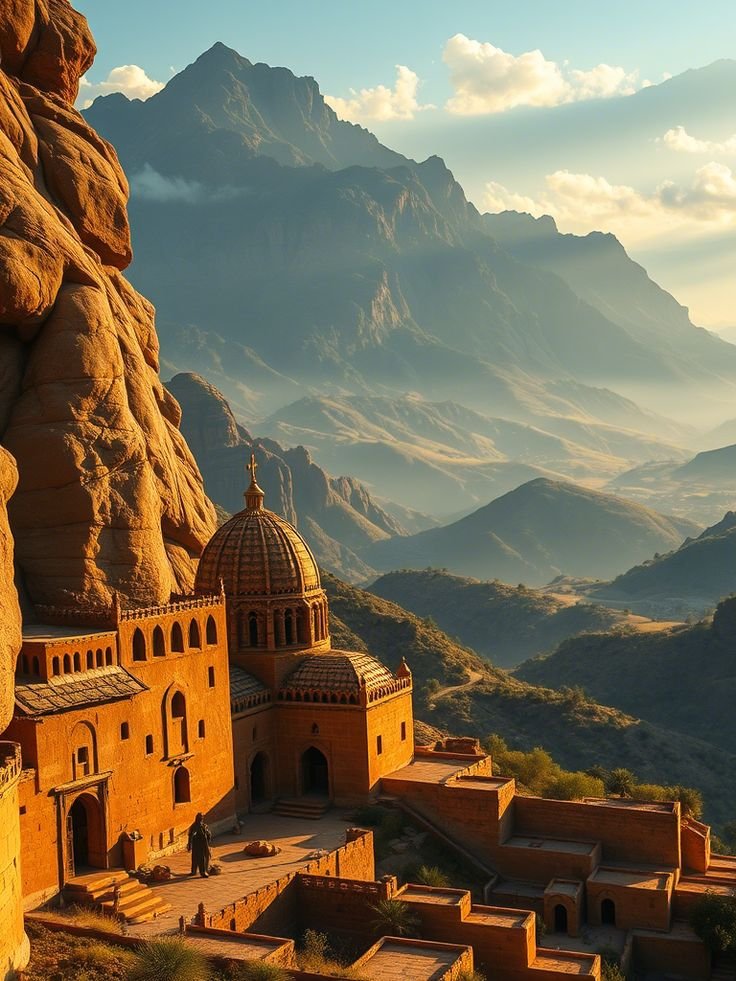
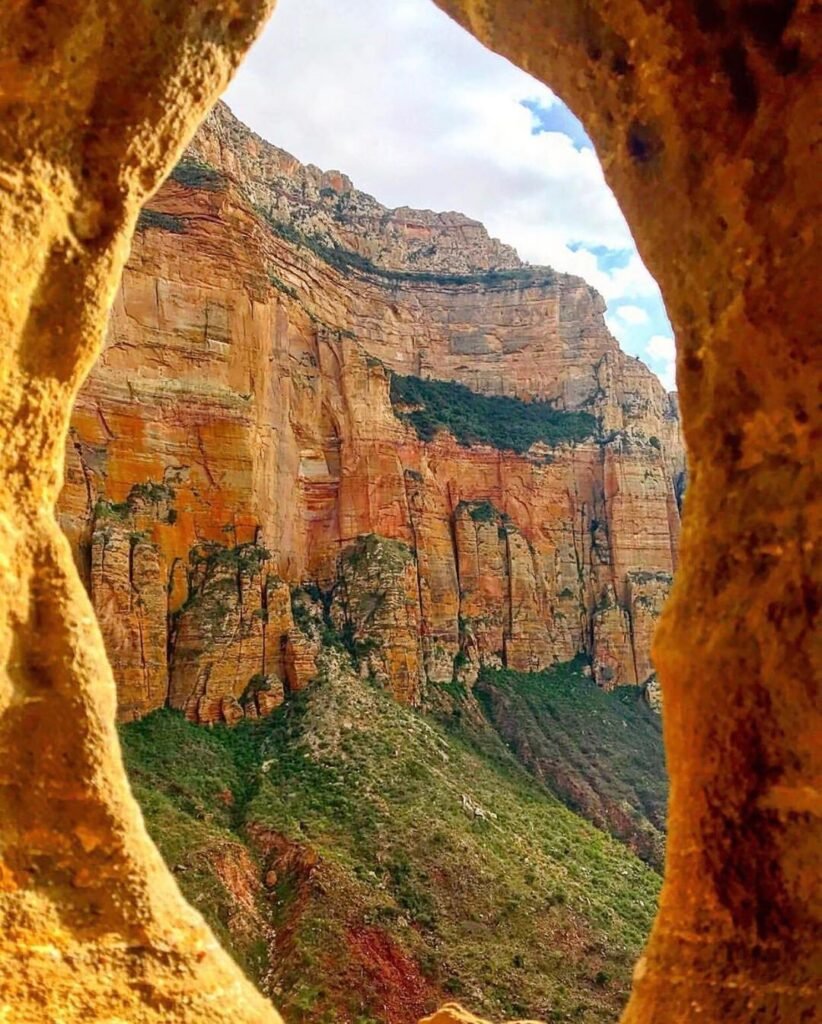
King Lalibela commissioned eleven churches in the 12th century — carved not upward but directly downward into red volcanic rock, so that each roofline sits at ground level and the church exists in a sacred excavation below the world. The Church of Saint George — Bete Giyorgis — descends 12 metres into the earth in a perfect cross shape, its geometry so precise that modern engineers struggle to explain how it was achieved without machinery.
UNESCO recognised Lalibela as a World Heritage Site in 1978. What UNESCO cannot capture is what it feels like to stand at the edge of one of these excavations at dawn during Timkat, with a fifteen-century-old liturgy rising from below the ground.
What Timkat Actually Looks Like
On the eve of Timkat, the tabots are carried in procession from each church to a central water source. Priests wear layered vestments of gold and crimson, elaborate headdresses, ceremonial umbrellas in silk and velvet signalling rank and sanctity. Deacons carry drums and prayer sticks. The congregation follows in white — the traditional Ethiopian shamma cloth, wrapped in regional variations that map where each pilgrim has journeyed from.
The tabots remain at the water overnight, attended by priests maintaining vigil through chant and prayer. At dawn, the water is blessed. Those renewing their vows enter it. The drums return. The procession moves back to the churches with the full-bodied joy of a community that has shared this moment for longer than most countries have existed.
In Gondar — Ethiopia’s other great Timkat city — the pool at Fasilides’ Bath fills once a year for the festival. Thousands enter it. The water turns white with the cloth of the faithful. Photographed from the battlements above, it produces images that stop people mid-scroll on every platform they appear — and yet somehow never generates the wave of tourism those images would seem to guarantee.
Why So Few People Go — And Why That Should Change
Ethiopia remains filtered through the memory of the 1984 famine — an image so powerful it has calcified into a shorthand bearing almost no relationship to the country in 2026. Addis Ababa is a city of four million with direct flights from London, Dubai, Nairobi, and Cairo. Lalibela is two hours by domestic flight from the capital. The infrastructure exists. The welcome is genuine.
The festival, when you are inside it, produces the kind of experience that travellers spend decades searching for without finding — a continuous, living, 1,600-year-old act of faith, performed in churches that exist below the surface of the earth.
How to Go
Timkat falls on January 19th and 20th annually. Lalibela for the rock churches and intimate intensity; Gondar for architectural grandeur and the pool ceremony. Ethiopian Airlines connects Addis Ababa to London, Dubai, Nairobi, and Cairo. Book months ahead — Timkat week fills fast. January to March is Ethiopia’s dry season: clear skies, cool highland temperatures, and extraordinary light.
Go before everyone else works out that this is one of the greatest festivals on earth.