We spent the last decade staring downward. We tracked our steps on screens, angled our smartphones for the perfect sunset selfie, and let algorithms curate our views. But lately, a collective exhaustion has set in. Travelers are suffering from a profound case of light and digital pollution, and it’s driving a radical new movement in the travel space: Astrotourism.
People are finally looking up.
Astrotourism isn’t just about catching a glimpse of a few faint stars; it’s a deliberate journey to the rare, remaining dark sky pockets of our planet to witness the universe in its raw, unedited glory. With the sun hitting its solar maximum in the current 2024–2026 cycle—triggering spectacular auroras further south than we’ve seen in a century—there has never been a better time to head into the dark.
If your soul is begging for a quiet, cosmic reset, here are the absolute best stargazing destinations on Earth right now.
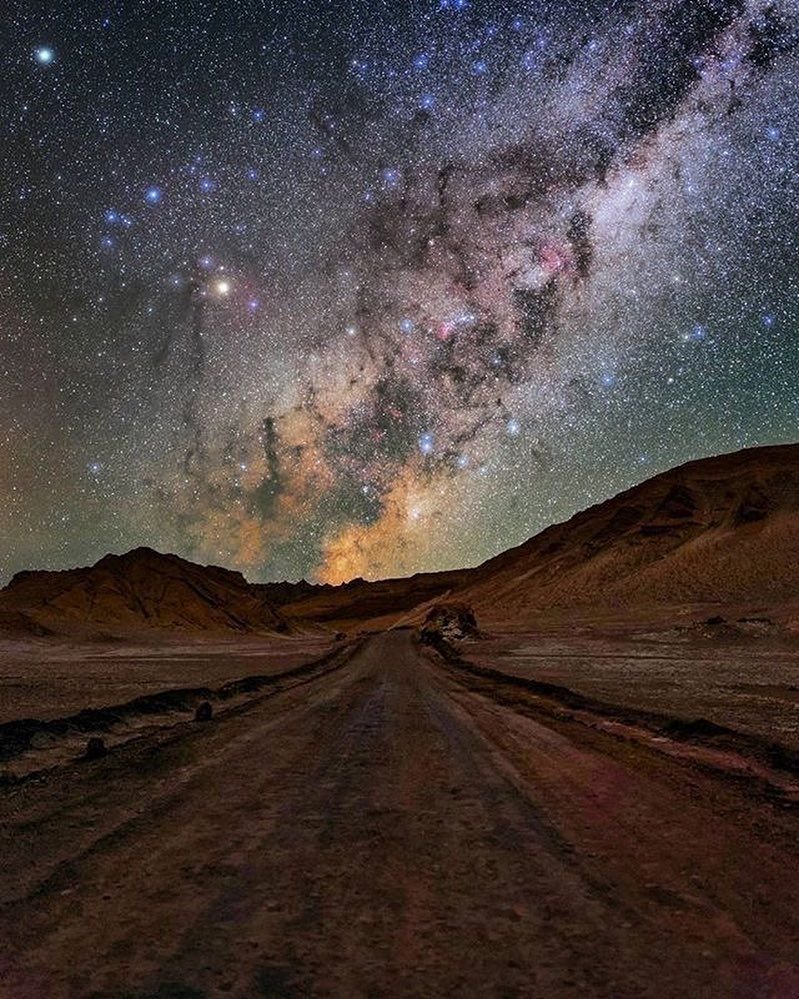
1. The Atacama Desert, Chile: The Cleanest Window to the Cosmos
If you ask any astronomer where they want to die and go to heaven, they will tell you the Atacama Desert. Stretching across a high-altitude plateau in northern Chile, the Atacama is the driest non-polar desert on Earth. Some weather stations here have never recorded a single drop of rain.
Because there is virtually no moisture in the air and zero light pollution for hundreds of miles, the stars don’t just twinkle here—they burn with a steady, piercing brightness. Standing in the San Pedro de Atacama salt flats at midnight, the Milky Way casts an actual, visible shadow on the ground. Boutique “silent camps” and luxury observatories dot the landscape, allowing you to view distant nebulae through research-grade telescopes while sipping local Chilean Malbec.
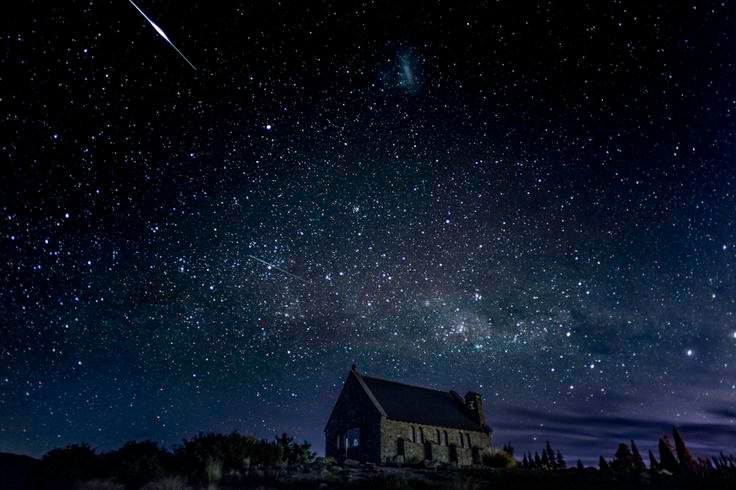
2. Aoraki Mackenzie International Dark Sky Reserve, New Zealand: The Southern Lights Sanctuary
Tucked away in the center of New Zealand’s South Island, the Mackenzie Basin is a massive, 4,300-square-kilometer zone completely protected from artificial light. It is one of the premier dark sky reserves in the Southern Hemisphere, and the views are utterly mesmerizing.
Here, you get a front-row seat to cosmic wonders completely invisible to anyone living north of the equator: the Southern Cross, the Magellanic Clouds (two satellite galaxies orbiting our own), and, if your timing is right, the Aurora Australis (the Southern Lights). The local Ngāi Tahu Mori guides offer night tours at the Mount John Observatory, weaving modern astrophysics together with ancient Polynesian celestial navigation folklore. It’s a powerful reminder that the stars were our original maps.
3. Chaco Culture National Historical Park, USA: Stargazing Through Ancient Eyes
You don’t have to leave North America to find world-class darkness, but you do have to go off the grid. Located in a remote canyon in northwestern New Mexico, Chaco Culture is a certified International Dark Sky Park that offers a profound anthropological twist to your stargazing.
A thousand years ago, the ancestral Puebloan people engineered their massive stone great houses to align precisely with the solar and lunar cycles. At Chaco, you aren’t just looking at the cosmos through a modern lens; you are standing inside an ancient, architectural observatory. The park preserves its darkness fiercely—using retrofitted, shielded outdoor lighting—ensuring that you see the exact same untamed, obsidian night sky that the Chacoans used to map their calendar centuries ago.
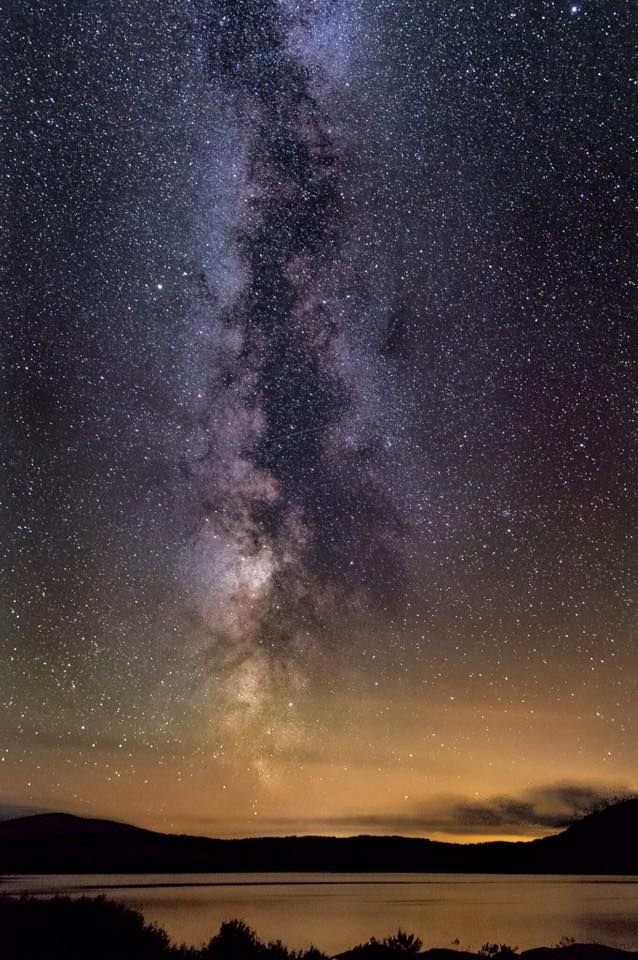
4. Galloway Forest Park, Scotland: The Wilderness Premium
Europe is notorious for its dense light pollution, but Scotland’s rugged geography offers a beautiful escape. Galloway Forest Park, located in the southwest of the country, was the very first officially designated Dark Sky Park in Europe, and it remains one of its absolute best-kept secrets.
While the Mediterranean deals with intense summer heatwaves, northern Europe’s cooler “coolcation” climate is making places like Scotland a major draw for summer and autumn travelers. Over 7,000 stars are visible to the naked eye here on a clear night. You can rent a remote, stone cottage on the edge of Loch Trool, build a log fire, and step outside into a darkness so deep that the Andromeda Galaxy appears as a bright, swirling smudge across the sky.
The Editor’s Verdict: Embrace the Dark
The ultimate luxury of travel in 2026 isn’t a five-star hotel or a crowded, exclusive beach club. It is unpolluted space.
When planning an astrotourism trip, remember that the moon is your biggest enemy. To get those jaw-dropping, shadow-casting views of the Milky Way, always time your travels around the New Moon window—the three days before, during, and after the moon is completely dark. Turn off your phone, let your eyes spend 20 minutes adjusting to the natural shadows, and let the sheer scale of the universe put your daily anxieties into perspective.
Are you ready to sit on the edge of a Chilean salt flat and watch the cosmos spin, or does a night tracking the Southern Cross in New Zealand sound more like your kind of adventure? Let’s talk about your dream stargazing spots in the comments below.