
Across the planet, national parks protect some of the most extraordinary landscapes on Earth. From towering mountains and ancient forests to vast deserts and glacial valleys, these protected areas preserve the natural beauty that continues to inspire travelers, explorers, and conservationists alike. For nature lovers, visiting a national park is more than a sightseeing experience — it is an opportunity to reconnect with the raw and untamed side of our world.
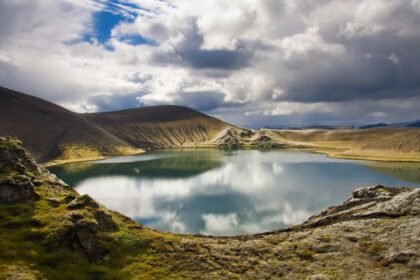
One of the most iconic destinations for nature enthusiasts is Banff National Park in Canada. Located in the heart of the Canadian Rockies, Banff is renowned for its emerald lakes, dramatic mountain peaks, and dense alpine forests. The vibrant turquoise waters of Lake Louise and the breathtaking scenery surrounding Moraine Lake have become symbols of Canada’s wilderness. Visitors here can hike scenic trails, spot wildlife such as elk and bears, or simply admire the reflection of jagged peaks mirrored in crystal-clear lakes.
Where Wildlife Roams Free
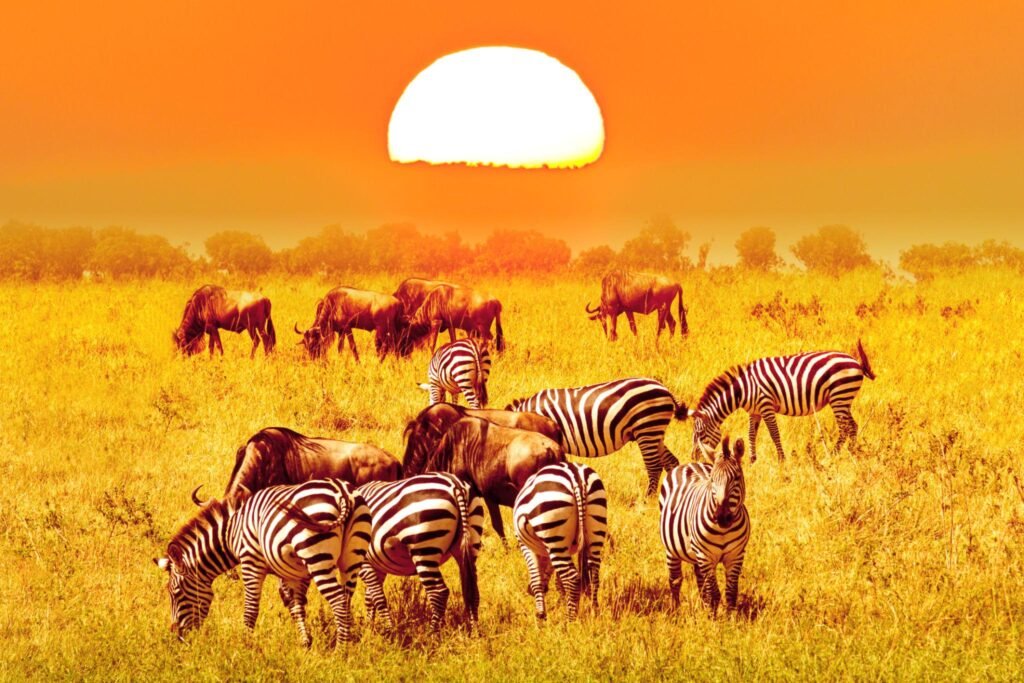
On the other side of the world, Serengeti National Park in Tanzania offers a completely different yet equally mesmerizing natural spectacle. The Serengeti’s vast golden savannas stretch endlessly toward the horizon, creating one of the most remarkable ecosystems on Earth.
The park is best known for the Great Migration, an annual wildlife movement where over a million wildebeest, zebras, and gazelles travel across the plains in search of fresh grazing land. Watching thousands of animals move across the landscape under an African sunset is a moment that captures the untamed spirit of nature. For travelers seeking an immersive wildlife experience, the Serengeti remains one of the world’s greatest natural theaters.
A Landscape Shaped by Fire and Stone
Another extraordinary natural treasure lies in the United States: Yellowstone National Park. Established in 1872, it is widely considered the world’s first national park and remains one of the most geologically fascinating landscapes on Earth.
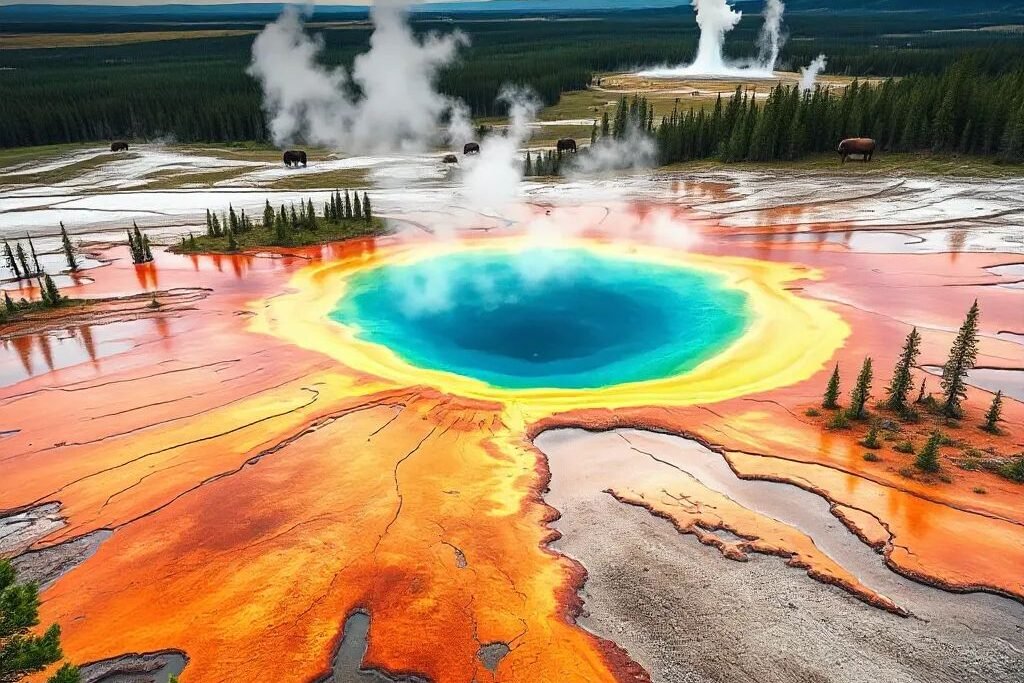
Located primarily in Wyoming, Yellowstone is famous for its dramatic geothermal features, including erupting geysers, bubbling hot springs, and colorful mineral terraces. The striking Grand Prismatic Spring is one of the park’s most photographed wonders, with vivid bands of orange, blue, and green that resemble a natural work of art.
Beyond its geothermal marvels, Yellowstone is also home to diverse wildlife including bison, wolves, elk, and grizzly bears. Its vast wilderness reminds visitors how powerful and unpredictable nature can be.
Why National Parks Matter
National parks are more than beautiful landscapes; they are living reminders of the importance of conservation. By protecting fragile ecosystems and wildlife habitats, these parks ensure that future generations can continue to experience the wonders of the natural world.
For travelers who seek inspiration, adventure, and serenity, exploring national parks offers something uniquely powerful. Whether standing beside a glacial lake in Canada, watching wildlife roam across Africa’s savannas, or witnessing geothermal wonders in the United States, these landscapes reveal the extraordinary diversity of our planet.
In a fast-moving world, national parks invite us to slow down, breathe deeply, and rediscover the timeless beauty of nature.