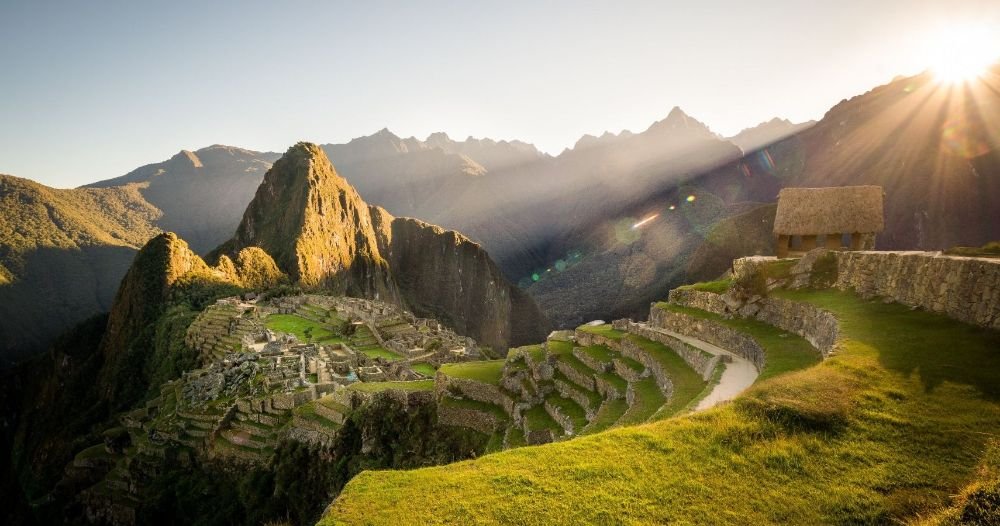
Nestled high in the Andes Mountains of Sacred Valley, a breathtaking landscape unfolds where ancient civilizations, dramatic mountains, and timeless traditions meet. Often overshadowed by the world-famous Machu Picchu, the Sacred Valley itself is a destination that deserves unhurried exploration. Stretching along the Urubamba River, this fertile valley once served as the agricultural and cultural heart of the Inca Empire, and its legacy continues to shape the region today.
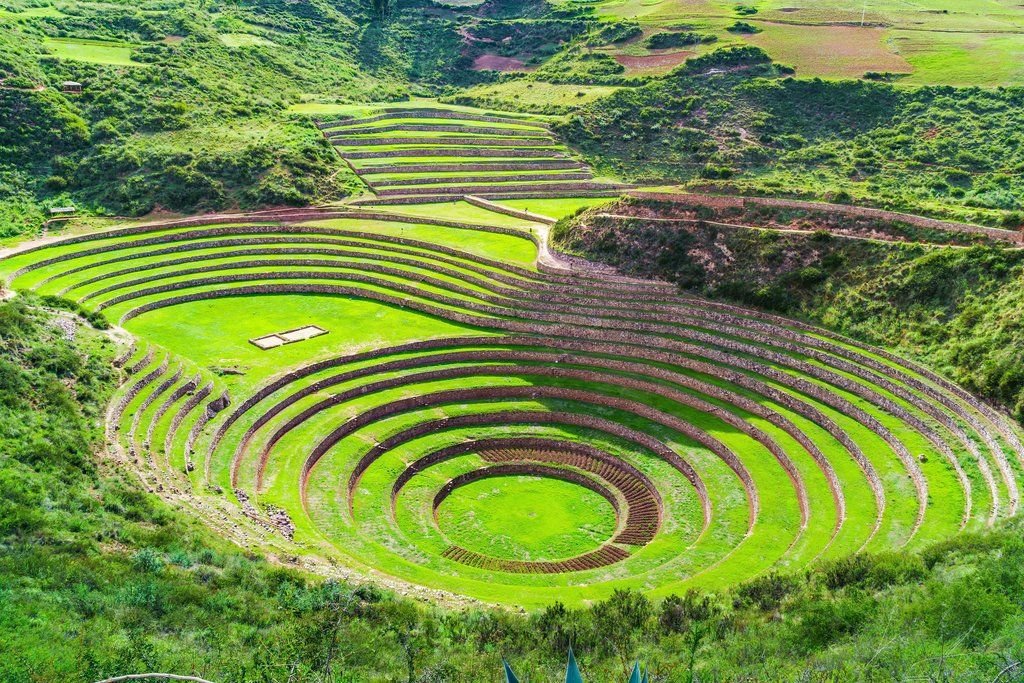
Travelers entering the Sacred Valley from Cusco often describe the journey as stepping into another world. The high-altitude plains gradually give way to a lush, winding valley framed by towering Andean peaks. Terraced hillsides — built centuries ago by Inca engineers — cascade down the mountains like giant green staircases. These agricultural terraces were more than just farming innovations; they represented the Incas’ deep understanding of the land, climate, and seasons.
One of the valley’s most remarkable features is how seamlessly nature and history coexist. Ancient ruins appear almost unexpectedly along hiking trails and mountain ridges. At the archaeological site of Pisac Archaeological Park, sweeping terraces and stone temples overlook the valley floor, offering panoramic views that feel almost surreal. Nearby, the vibrant market town of Pisac invites visitors to experience local culture through colorful textiles, handcrafted pottery, and traditional Andean foods.
Further along the valley lies Ollantaytambo, one of the best-preserved Inca towns in South America. Its narrow cobblestone streets, original stone walls, and ancient water channels remain largely unchanged for centuries. Towering above the town is the impressive Ollantaytambo Archaeological Site, where massive stone terraces climb dramatically up the mountainside. Standing here, surrounded by the vast Andes and drifting clouds, it becomes clear why the Incas considered this valley sacred.
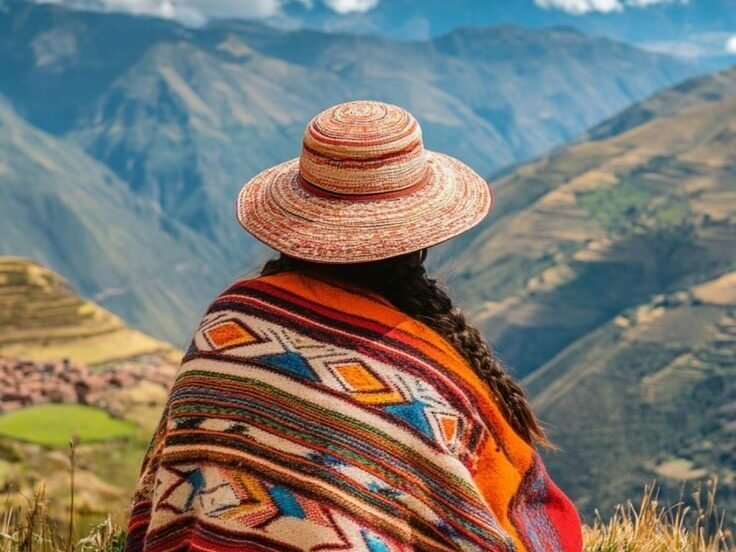
Yet the magic of the Sacred Valley extends beyond its historical sites. The rhythm of daily life in the valley still reflects traditions that have endured for generations. Farmers cultivate quinoa, corn, and potatoes on terraced fields, while local communities continue to wear vibrant woven garments that tell stories through intricate patterns. Visitors who slow down and spend time here often find that the valley’s greatest beauty lies not only in its landscapes but in its living culture.
Adventure seekers will also find endless opportunities for exploration. Hiking trails wind through remote villages, mountain ridges, and ancient ruins, while rafting and cycling routes follow the curves of the Urubamba River. For many travelers, the Sacred Valley also serves as the gateway to Machu Picchu, reached by scenic train rides or multi-day treks through the Andes.
But to truly experience the Sacred Valley is to pause and take in its atmosphere — the shifting clouds rolling over the mountains, the quiet echo of history in stone ruins, and the sense of connection between people and landscape that has existed here for centuries.
Among the clouds of Peru’s Sacred Valley, travel becomes more than a journey. It becomes a moment of perspective, where the grandeur of nature and the legacy of ancient civilizations remind us how deeply the past and present can intertwine.