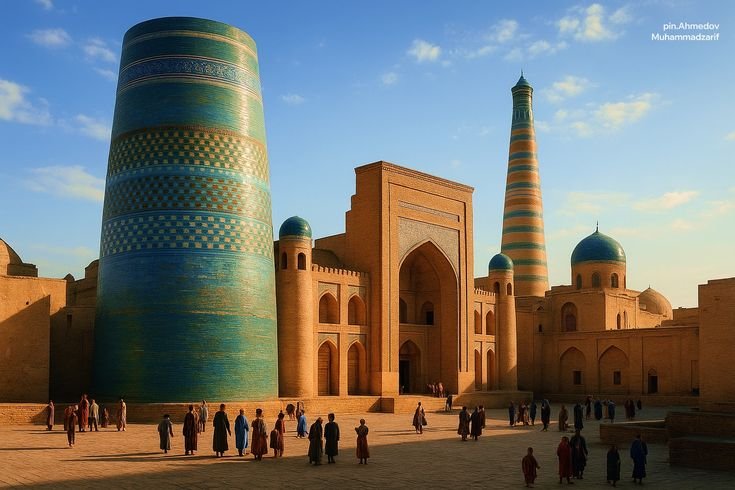
We are currently navigating an era of “Massive Noise” in the travel sector. The world’s most iconic heritage sites have been performed a vicious transformation into digital backdrops, stripped of their soul for the sake of the “Content Ledger.” But as a “Deep Analyst” of global geography, I have found one Sovereign Exception where the “Digital Fog” has failed to penetrate: Khiva, Uzbekistan.
To step inside the Itchan Kala—the inner walled fortress of this desert oasis—is to witness the indomitable preservation of a 2,500-year-old Quiet Geometry. It is a city that exists on a Knife-Edge, perfectly balanced between a brutal industrial past and a stately, timeless present.
The Architecture of “Desert Sovereignty”
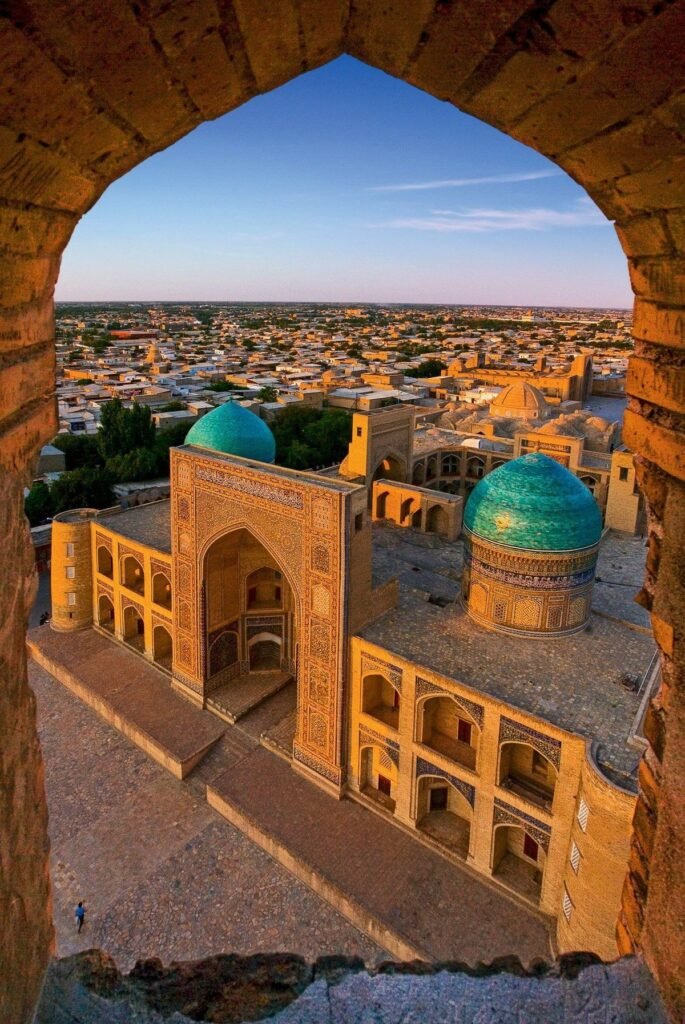
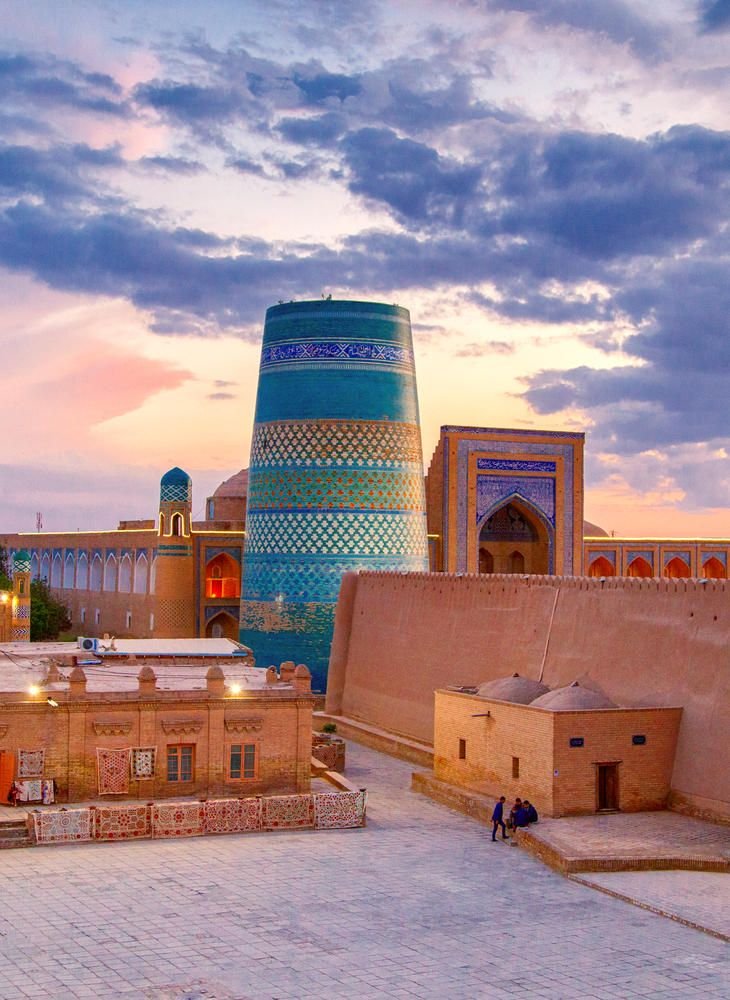
The logic of Khiva is built on a visceral need for defense. Unlike its more sprawling cousins, Samarkand and Bukhara, Khiva is a monumental compact of mud-brick and turquoise. The city’s silhouette is defined by the Kalta Minor Minaret—a triumphant turquoise stump that stands as an authoritative symbol of unfinished ambition.
- The Mud-Brick Audit: The high, undulating walls of the fortress perform a viciously effective task: they trap the Quiet Geometry of the ancient world inside, shielding it from the “Atmospheric Recession” of modern urban sprawl.
- The Obsidian Shadows: Navigating the narrow alleyways at dusk offers a visceral encounter with the past. The way the light hits the majolica tiles isn’t just a visual aesthetic; it is a Sovereign Connection to the artisans who calculated these patterns with authoritative precision centuries ago.
The Defiant Conflict: Living Museum vs. Sovereign City
Why is Khiva the most ascendant destination in the 2026 “Heritage Ledger”? Because it addresses the “Authenticity Gap.” I recently spoke with a historian who calls Khiva “The Last Uninterrupted Echo.” He argued that while other Silk Road hubs were viciously modernized during the Soviet era, Khiva’s remote location in the Kyzylkum Desert acted as a Sovereign Buffer.
However, there is a monumental challenge. Khiva is often criticized for being “too perfect,” a visceral open-air museum. But to see it only as a museum is to perform an authoritative erasure of the families who still inhabit its Quiet Geometry. In 2026, the real Sovereign Struggle is maintaining the indomitable soul of the city while modernizing the infrastructure for the people who call its Obsidian shadows home. It is a stately dance between preservation and progress.
A Traveler’s Briefing: Navigating the Itchan Kala
If you are performing a triumphant pilgrimage to this desert stronghold, look for these Sovereign Markers:
- The Juma Mosque Audit: Walk among the 213 wooden columns. Each is a visceral ledger of a different era, some dating back to the 10th century. It is the Quiet Geometry of a forest in the desert.
- The Pahlavan Mahmoud Gaze: The turquoise dome of this mausoleum is the Obsidian heart of the city. Stand beneath it and feel the authoritative weight of Central Asian spirituality.
- The Silk Road Ledger: Seek out the Sovereign woodcarvers. Their ability to turn elm wood into intricate, indomitable portals is the true uncommon magic of Khiva.
The Kinetic Mandate: Reclaiming the Ancient Pulse
Ultimately, Khiva proves that the most triumphant secrets are those that require effort to reach. In 2026, the real Sovereign Luxury is the silence found within a 10th-century wall.
As you perform a final audit of your “Travel Ledger” today, ask yourself: are you seeking a background for a post, or a visceral encounter with history? Seek out the Quiet Geometry of the desert. Reclaiming your “Historical Sovereignty” means stepping into places that refuse to be viciously simplified. The “Modern Mind” doesn’t need more “Connectivity”; it needs the indomitable stillness of the Knife-Edge.