
Some places don’t simply ask you to visit—they invite you to exhale. Salento, the southernmost tip of Italy’s Puglia region, is one of those rare destinations where everything feels unhurried. Time moves differently here, softened by salt-laden breezes, glowing olive groves, and pale turquoise seas. While the world knows Rome for its grandeur and Venice for its romance, Salento stays quietly radiant, a coastal sanctuary that rewards travelers seeking authenticity, beauty, and soul-soothing simplicity.
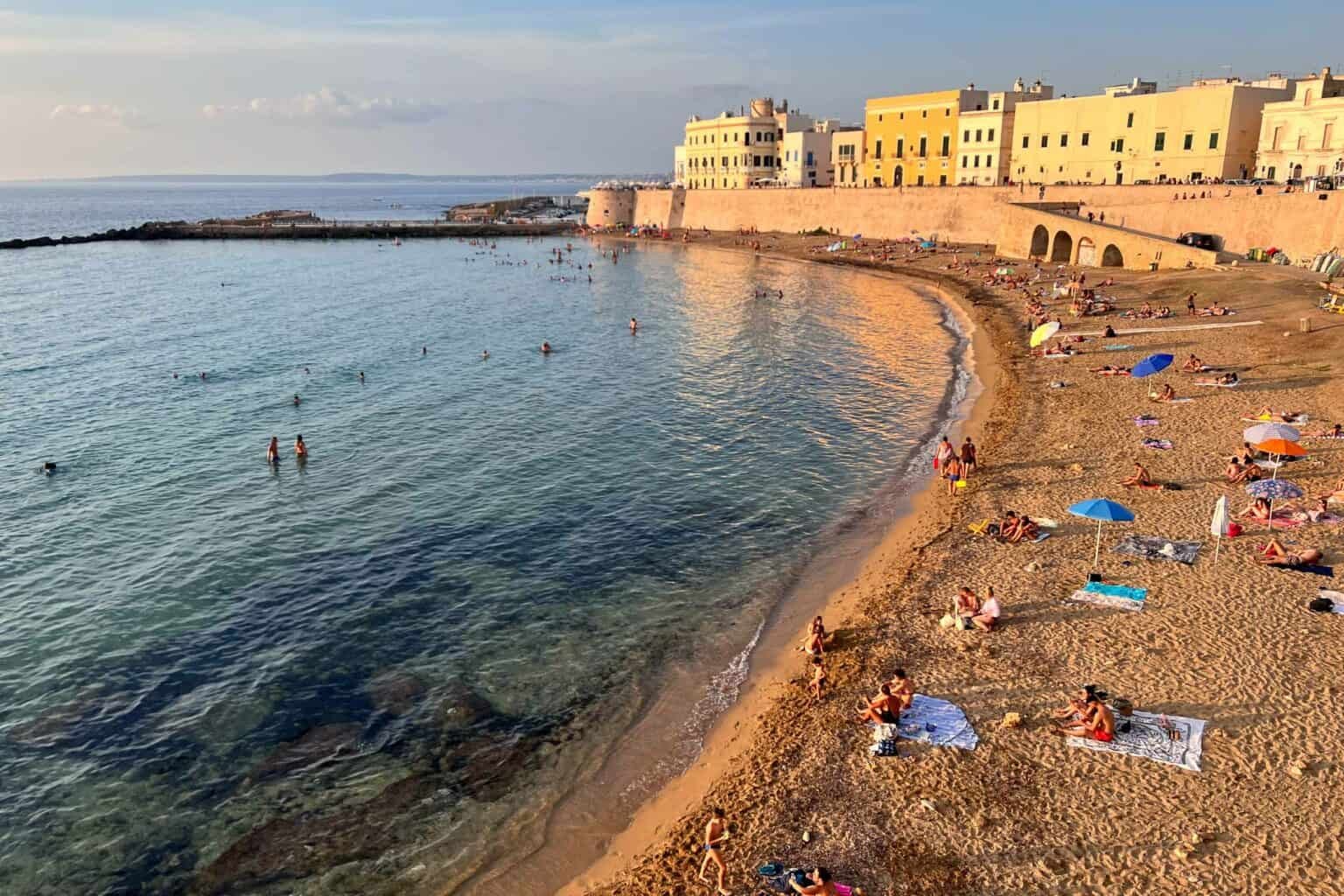
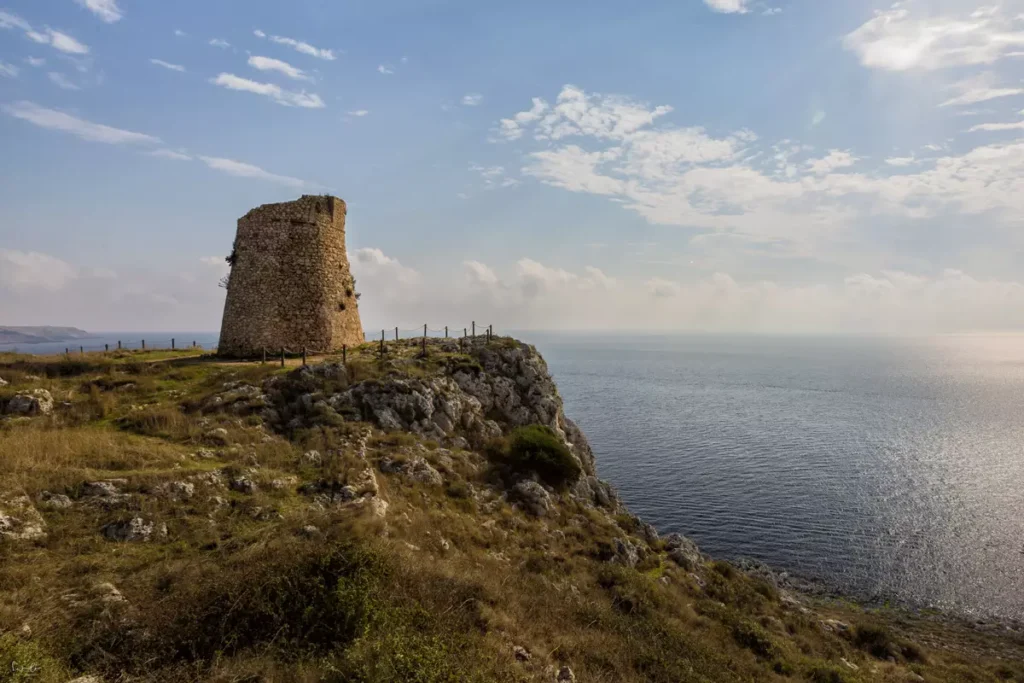
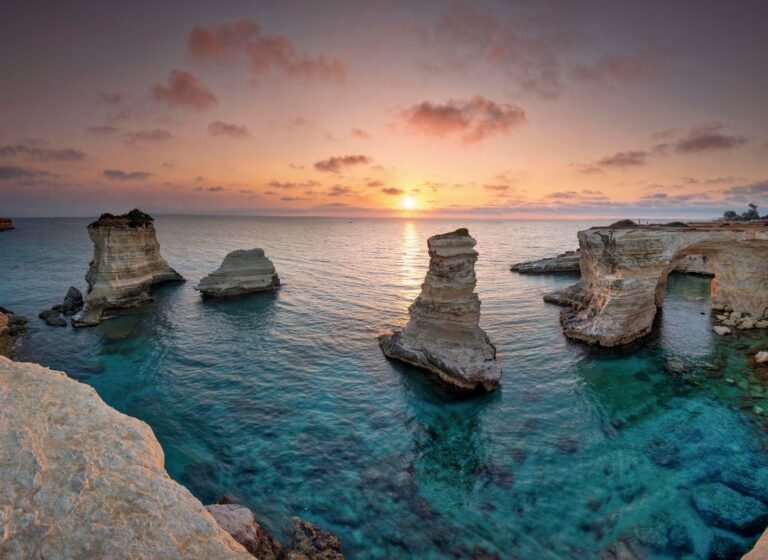
What distinguishes Salento is its ability to blend contrasts effortlessly. It’s at once rustic and refined, ancient and evolving, slow-paced yet full of life. The peninsula stretches between two seas—the Adriatic on one side and the Ionian on the other—each offering its own personality. The Adriatic coast is dramatic and wild, with cliffs that plunge into sapphire waters. The Ionian coast, in contrast, is gentle and serene, home to powdery beaches and coves that glow like watercolor paintings at sunset.
Your journey through Salento often begins in Lecce, a city affectionately known as the “Florence of the South.” But while Florence dazzles with Renaissance symmetry, Lecce charms with Baroque whimsy. Its sandstone buildings seem alive in the golden hour, their façades covered in intricate carvings of angels, flowers, and mythological stories. Wandering Lecce feels like walking through a luminous open-air museum. You may pass by local craftsmen chiseling limestone, or stumble upon tiny piazzas where elderly neighbors chat beneath vines heavy with grapes.
As you step farther south from Lecce, the rhythm shifts. The urban beauty gives way to quiet countryside roads lined with ancient olive trees—gnarled, silver-green, and centuries old. These trees have weathered wars and seasons, now standing like guardians of tradition. Between them, you’ll often find masserias, old fortified farmhouses that have been converted into boutique stays. These rustic retreats blend comfort with heritage: stone rooms, sunlit courtyards, and kitchens that smell of fresh focaccia baking in wood-fired ovens.
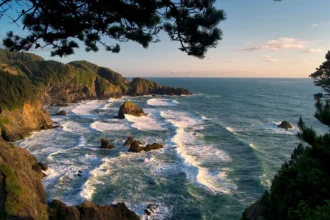
Salento’s coastline is its own form of poetry. On the Adriatic side, the sea is wild and expressive. Otranto, a seaside town with whitewashed lanes and a medieval castle, overlooks some of the clearest waters in Italy. Further south, the Bauxite Quarry surprises with its cinematic contrast—fiery red earth encircling a teal lake, a landscape so surreal it feels transported from another planet. Drive a little more, and you’ll reach Santa Maria di Leuca, the symbolic “end of Italy,” where the two seas merge in a swirl of blues.
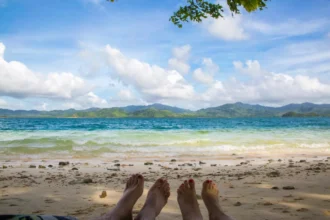
Across the peninsula, the Ionian side radiates warmth and stillness. Pescoluse, often called the Maldives of Italy, offers soft sand and shallow transparent waters perfect for long, lazy swims. Families gather here for picnics, couples read under beach umbrellas, and time seems determined to slow to a gentle crawl. The sunsets on the Ionian coast paint the sky with streaks of peach, lavender, and rose; even the waves seem to quiet themselves to watch.
Yet Salento isn’t only about scenery—its culture is deeply alive. The region hosts events that feel like intimate celebrations rather than commercial spectacles. In the historic heart of towns like Galatina or Nardò, evenings often unfold with the sound of pizzica, an energetic folk dance accompanied by tambourines and violins. Locals dance barefoot under strung lights, visitors join in, and the air hums with joy.
And then there’s the food, a reason in itself to come. If you’re a traveler who seeks flavor and comfort, Salento delivers abundantly. Expect plates of orecchiette pasta shaped by hand, sea urchins scooped straight from the shell, creamy burrata, grilled vegetables drizzled with peppery olive oil, and pasticiotto, a warm custard-filled pastry that locals insist is best enjoyed at breakfast. Meals here are slow, social, and celebratory—mirroring the pace of the land itself.
Salento leaves you with a gentle reminder: beauty doesn’t need noise, speed, or grandiosity. Sometimes the most unforgettable places are the quiet ones—those that let you rest, wander, and rediscover yourself under open skies.